Photography by Megan Mumford
This story is part of our annual Capital Region Gives Back initiative that honors 10 locals who are making our community a better place. Read up on all of the 2025 honorees and join us on December 2 for the 7th annual Capital Region Gives Back event at Putnam Place.
When you picture a mental health treatment center, chances are you think of a sterile place called a “facility” where residents are “institutionalized.” Not, most likely, an idyllic 275-acre campus surrounded by horse pastures and farmland. But that’s because you’ve never been to The Charlton School.
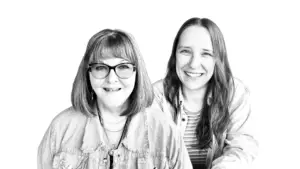
“What we offer is a new approach,” says Bo Goliber, the school’s Chief Strategy & Impact Officer. “Many of these students have experience at psychiatric hospitals where the focus on academics gets put on the back burner. But we’ve found that many of our students are very academically inclined. When they start to focus back on the academics and get the support they need, it actually strengthens their confidence and empowers them to remember that they’re more than just a patient—they’re a whole person.”
The Charlton School serves 42 students in grades 8–12 from districts all across the Capital Region, from Niskayuna to Saratoga Springs, as well as from the Northcountry and Downstate, and has the capacity to house up to 28 of those students at a time. Residential, academic, and therapeutic support is provided completely free of charge to students’ families. While some of that cost is covered by traditional funding streams such as the Office of Children and Family Services and the NYS Department of Education, many of what students consider the most impactful programs—including equine therapy, therapeutic arts, and career development—aren’t. That’s where Goliber comes in.
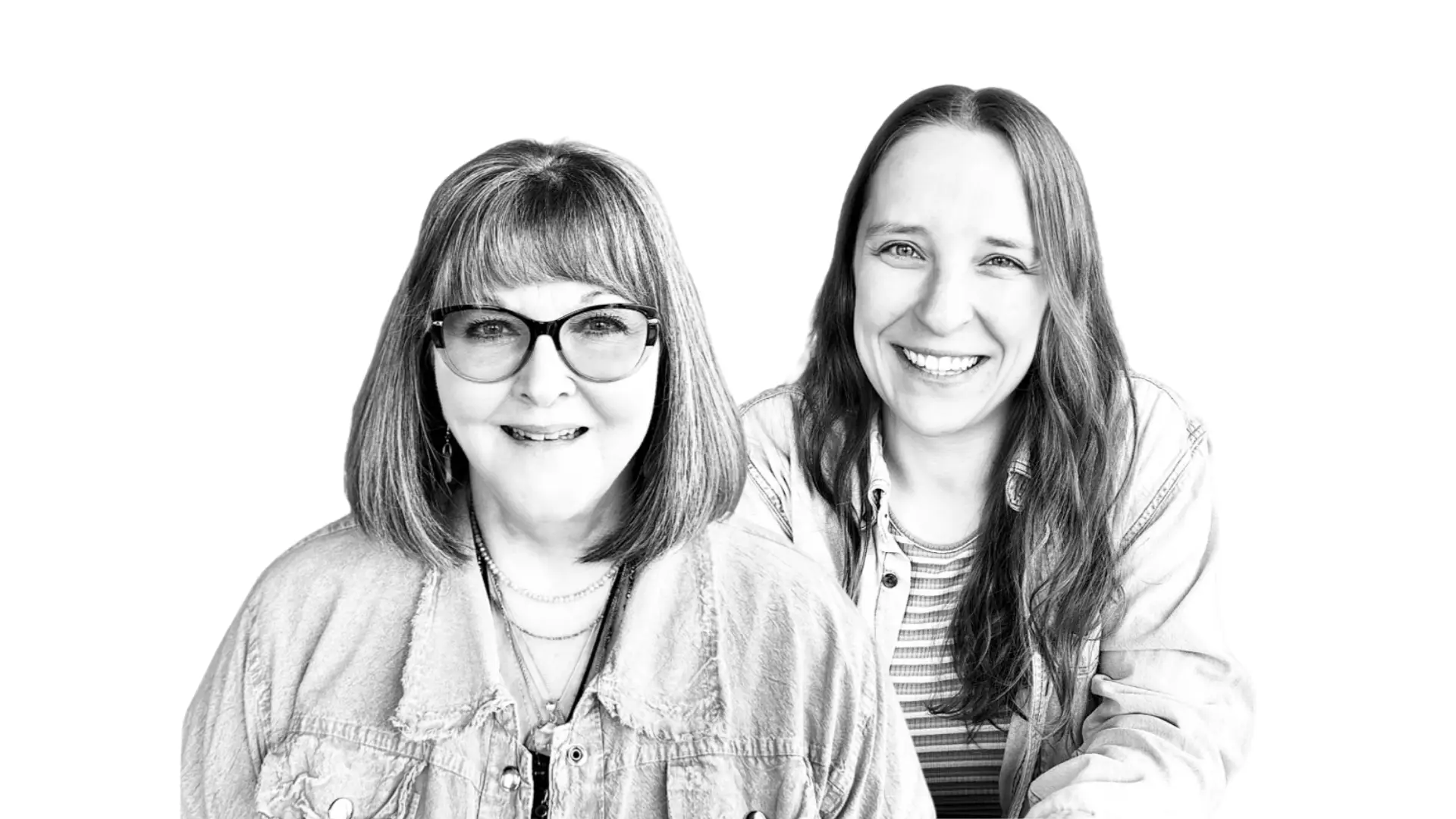
A force in Saratoga’s fundraising world for the last 15-plus years, Goliber is uniquely suited to usher in the next era of The Charlton School, not only because of her proven track record of fundraising success at both AIM Services and Franklin Community Center, but because she’s the mother of a young woman herself. “Being a mom gives me a deeper understanding and empathy for the families we work with and allows me to build more authentic relationships with the students,” she says. “Moms of daughters at that stage of life understand the increased pressures that young women are facing today. And it’s incredibly challenging to navigate that, especially if you don’t have support.”