It’s a hot July evening at Pitney Meadows Community Farm. The westward-facing vegetables in the field and individual plots of the Community Garden are soaking up the final hour of blazing daylight. The staff have gone home for the day, but CSA members arrive sporadically to pick ready-to-eat lettuce, root vegetables, and other delights in the fields. Shoppers trickle into the white clapboard Farm Stand, and emerge with bags of produce, artisanal cheeses, and farm-fresh eggs. A man still clad in his suit-and-tie work attire uncoils a hose and begins to spritz the ripening tomato vines in his vegetable plot. A few rows down, a couple is harvesting basil and marveling at how profuse it is this year.
All these people are in on a secret some 160 years in the making. In the 1860s, the Pitney family of Saratoga began cultivating what’s now a 166-acre farm on the city’s West Side. In 2016, despite lucrative offers for land development, William Pitney and his family, through the city’s Open Space Fund, arranged that the acreage, located right on West Avenue, would be preserved through a nonprofit organization in perpetuity for farming and education. And with that, Pitney Meadows Community Farm was born.
“Our mission is to celebrate and explore agriculture, heathy food production, and recreation on our preserved working farm,” says Brooke McConnell, who took on the role of executive director in 2023 but has been involved with the nonprofit in some capacity since its founding. “We want people to see where their food comes from, and get hands-on experience in growing it, caring for it, and harvesting it.”
To that end, Pitney Meadows offers a few options that vary in both commitment and how dirty you have to get your hands.
First up is the Community Gardens, the dirtiest (albeit most rewarding) of the three options, which allows community members to cultivate their own produce, on their own time, in their own garden bed. While what you plant and how you nurture it is up to you, gardeners do have access to Pitney’s water source, soil and compost, tools, seeds, and more. And for those who don’t exactly know what they’re doing, tips and classes are provided by staff and volunteers.
Next up is the CSA, a 13-week program that gives members a weekly allotment of fresh produce (and stands for Community Supported Agriculture). But Pitney’s CSA doesn’t work exactly like other CSAs you may have heard about. “We don’t want to compete with the traditional CSAs where members pick up produce in boxes,” says McConnell. “Our members physically pick their produce once a week. It’s an opportunity to connect with where the food is coming from.”
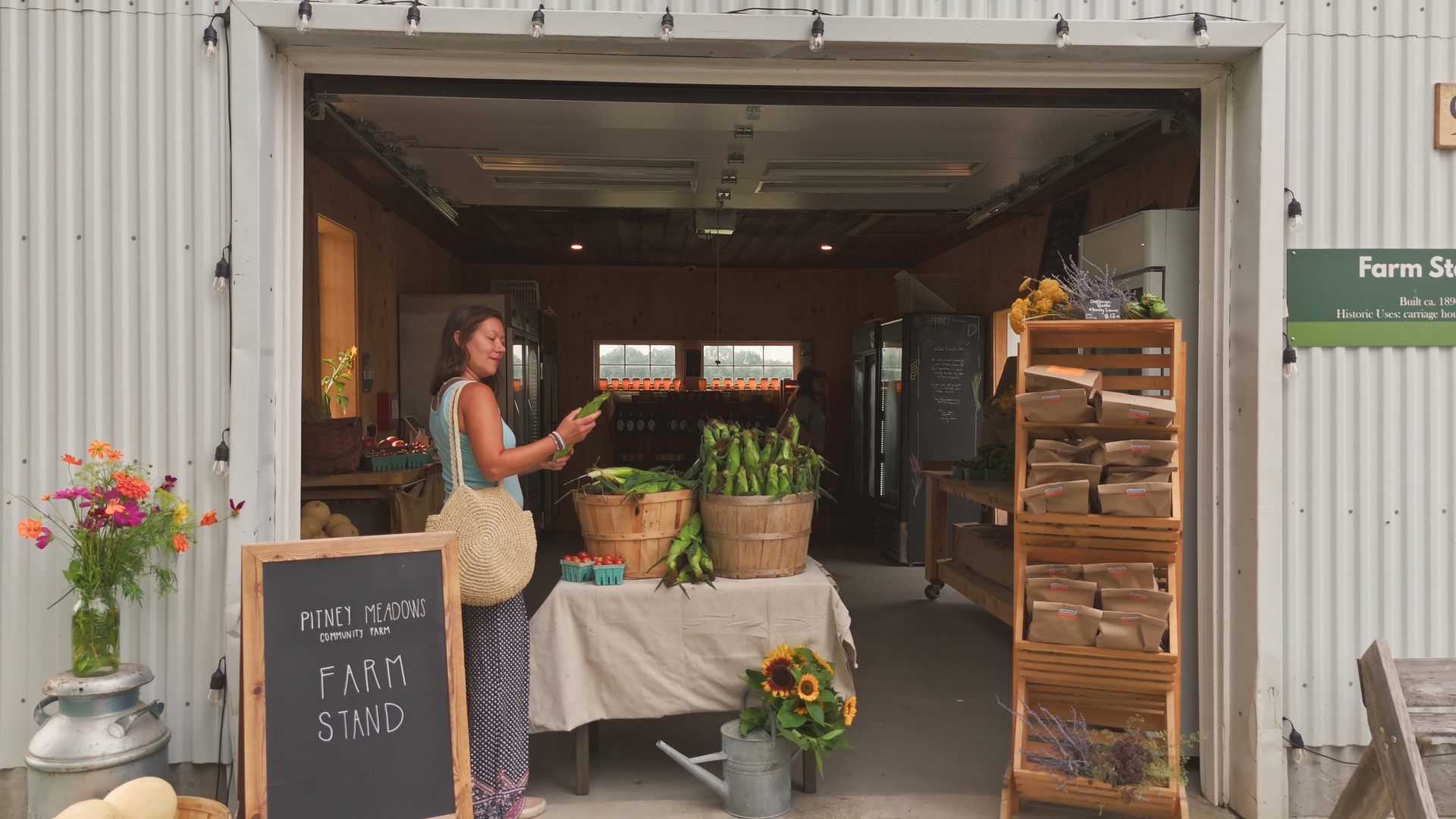
And lastly, for those who want the taste of farm-fresh food without having to put in the work required to grow or harvest said farm-fresh food, there’s the Farm Stand, a small shop set near the front of the Pitney property that operates on an honor system. The Farm Stand’s contents are a confluence of fruits and vegetables that were grown on site, as well as products (think cheeses, meats, and condiments) from more than 15 neighboring farms and producers that help stock the stand year-round. Part of the idea, says McConnell, is to have consumers know they’re connected to an entire local food system.
“We grow a bit in the winter and keep storage crops as long as we can,” she says. “It’s a great way to practice seasonal eating.”
Featherbed Lane Farm in Ballston Spa is one of the farms that helps supply the Farm Stand, which owner Tim Biello says provides greater community access to his seasonal produce (think beets, berries, fennel, and carrots). It also provides an additional income stream. “Pitney Meadows is flexible and open to working with farmers based on what’s available,” says Biello, a former Pitney Meadows board member who now serves in an advisory capacity. “They’re great about expanding access to local food while paying farmers well, and that’s helpful to us all.”
Both the CSA and Farm Stand accept payment through SNAP, the Supplemental Nutrition Assistance Program that’s run by the US Department of Agriculture, and the CSA offers no-cost scholarships for those in need. The farm also donates some 21,000 pounds or 120,000 servings of produce annually as part of its Food Sovereignty program, which aims to build a local food system that offers everyone in the community nutrient-dense, localized food—regardless of income. “The intent to grow for hunger-relief was there from the beginning, but it got a big push during COVID,” says Daniel Williams, who manages the Food Sovereignty program. “There was a huge need for food, and the organization made a committed effort to expand what we grew to donate.”
Williams estimates that the Food Sovereignty program has grown to the point that almost half of what is produced on the farm is donated to local hunger relief organizations such as low-income housing complexes, senior centers, food pantries, and shelters. He adds that aside from the occasional grant, Pitney Meadows relies entirely on donations for the continuity of this program and others.
As central to the farm’s mission as food sovereignty is, McConnell considers access to undeveloped farmland to be an equally important benefit that Pitney Meadows brings to the community.
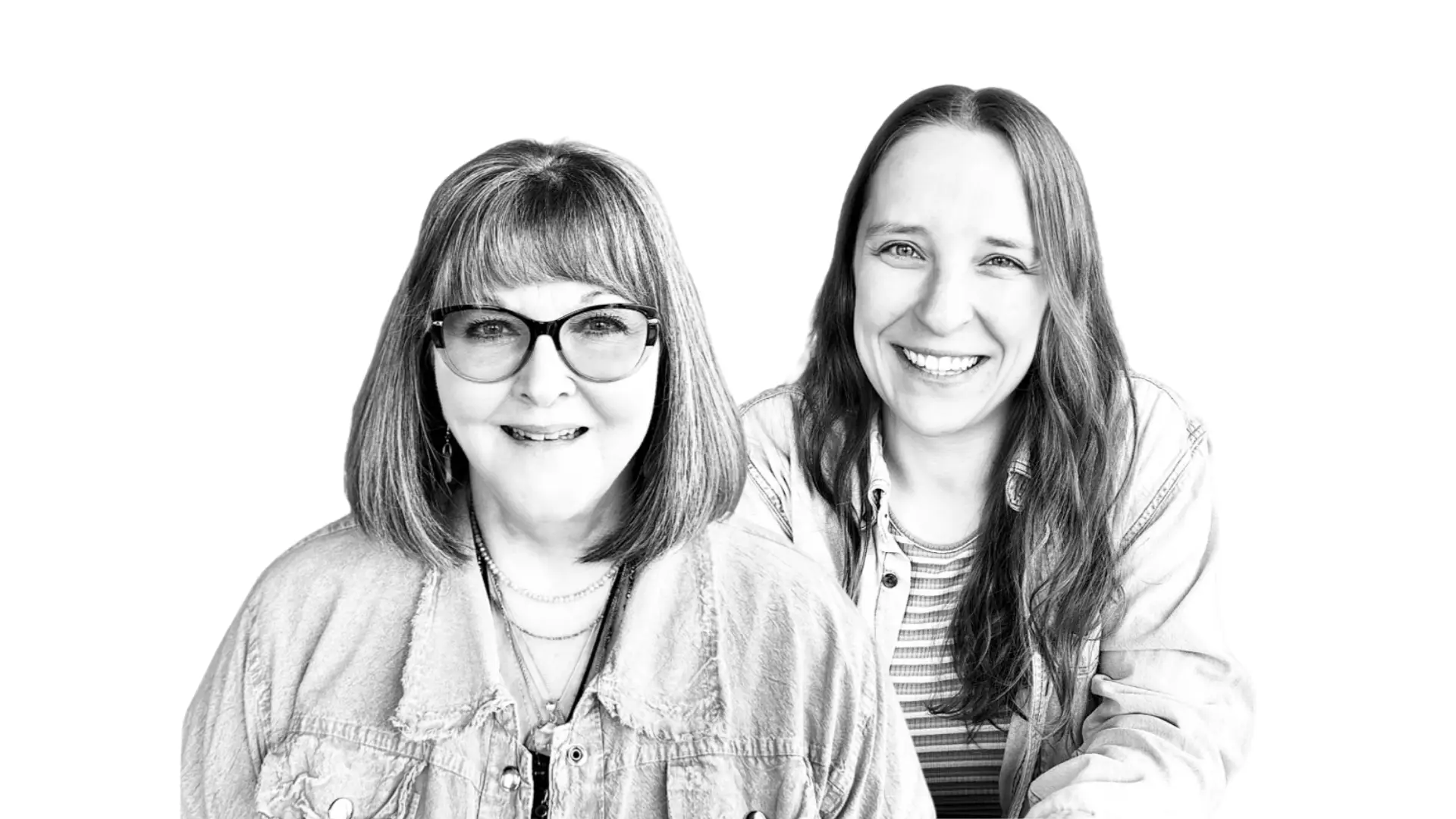
Last year marked the launch of Nurtured in Nature, an after-school program run in partnership with Leah Lanci Ferrone and her brother-in-law, Andrew Ferrone. “Pitney Meadows is one of the most magical treasures in our community,” says Leah. “We thought it would be the ideal setting for kids and teens to take a break from their screens and connect to themselves by connecting to the land.”
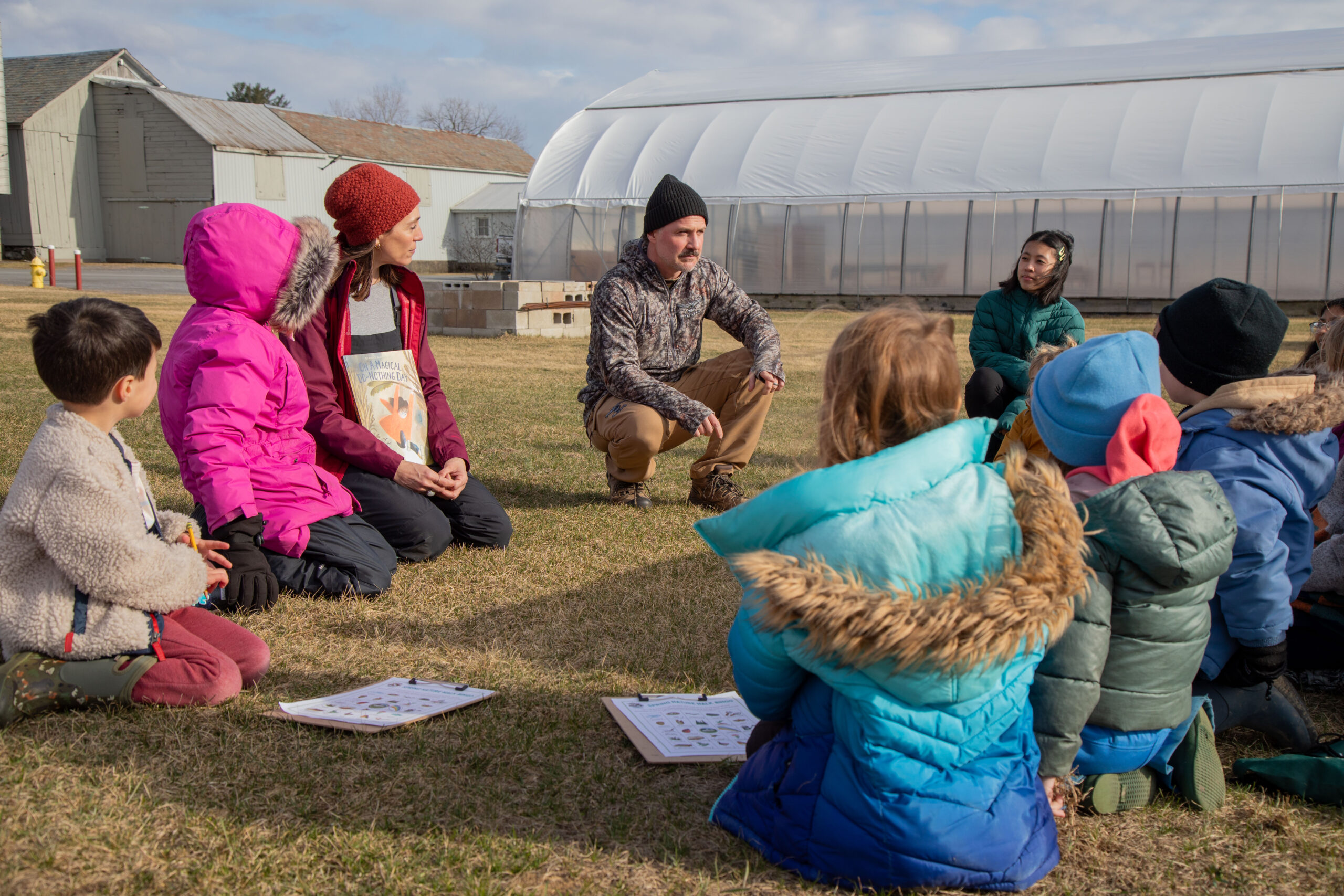
This summer, Pitney Meadows partnered with Leah’s brand Brave Lion Mind to offer weekly Summer Sunset Socials, which required families to check their phones at the door so that they could be fully present to fly a kite, play cards, or simply wait for the fireflies to light up the night. While the socials only ran from early July through early August, Leah and Andrew will bring back Nurtured in Nature for the school season. The after-school science program emphasizes learning in nature and encourages students to explore topics they’re curious about.
In offering these programs, Andrew and Leah made a discovery that goes against the narrative we’re often told about this generation’s young people. They’ve found that kids are actually more than willing to forfeit screen time for immersion in nature—even in the dead of winter. “They’d have their winter gear and headlamps on and go play in the snow,” Leah says of the kids who participate in Nurtured in Nature programming. “One evening, Andrew came upon a small group in the meadow lying on their backs staring at the moon. No one instructed them—they were just drawn to it.”
And it’s not just kids who are invited to make use of the natural treasure that is Pitney Meadows. The farm offers a variety of programs for community members of all ages, from workshops stressing the value of self-sufficiency (think composting, honey harvesting, and small-engine repair), to the bi-weekly “Writing the Land” classes led by Saratoga Poet Laureate Joseph Bruchac through October 3. The farm also has 1.7 miles of trails that are open to the public from dawn to dusk.
Despite its prominent location on West Ave, Pitney Meadows Community Farm has for years been a resource that many members of the community don’t take full advantage of. That’s changing now, thanks to Pitney’s ever-expanding slate of offerings, like a fledgling community compost program that launched earlier this year and the uber-popular Fire Feast fundraiser that every year introduces new people to the farm.
“More people involved means, ultimately, strengthening our community,” says McConnell, adding that the farm relies heavily on dedicated volunteers who make deliveries, help with the farm stand, and plant, harvest, and pack food for donations. “It’s empowering for a community to have agency over its food supply, so at least some of it originates here and it isn’t completely reliant on shipping and corporation-produced food. It’s about having access to food, having a say in how it’s grown, and bringing people to the farm to participate in all of it.”
As the man in the suit recoils his hose and the couple harvesting the basil heads home to cook dinner, the sun sinks down past the horizon and the sky turns a glorious shade of orange. Another day has set on Saratoga’s community farm. And a new one will rise tomorrow.