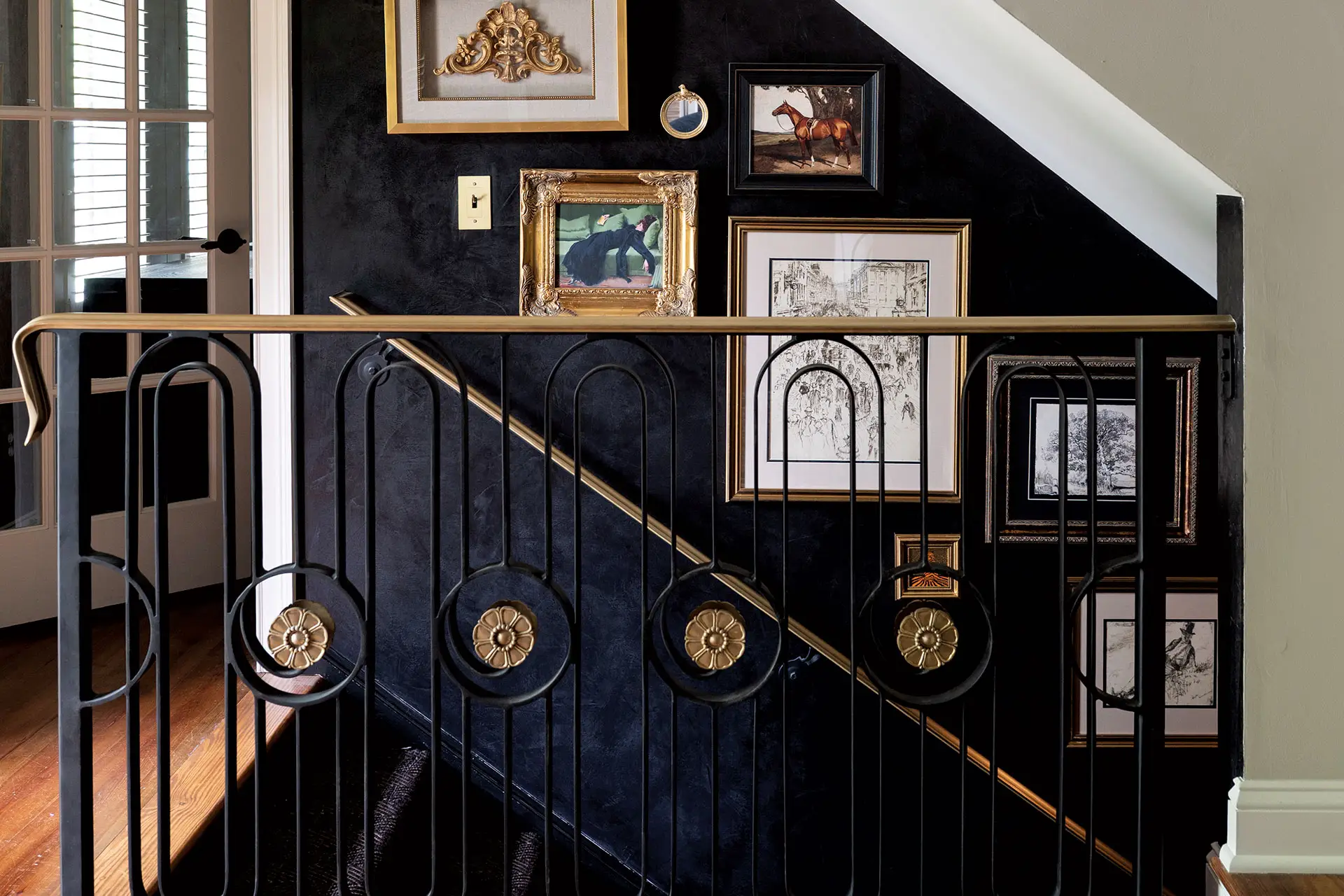
By late afternoon in January, Saratoga Springs has a way of making even the prettiest sunroom seem a little too optimistic. Snow gathers along North Broadway, daylight slips away, and the grand houses behind their generous porches begin to look especially inviting. You can almost see the lamplight through the windows. Or, at least, you want to.
The city has no shortage of inspiration. North Broadway and Union Avenue have designated historic districts, reminders of Saratoga’s years as a fashionable resort town. Then there’s Yaddo, the estate of Spencer and Katrina Trask, whose present mansion dates to 1893. None of this means Victorian houses were deliberately built to be dark. Their generous trim, tall rooms and architectural detail simply give deeper colors something wonderful to work with.
Mix the Heirlooms With New Pieces
Most of us aren’t working with a houseful of inherited antiques, and that’s fine. A few pieces of new luxury home furniture from AURA Modern Home, particularly in walnut, leather or velvet, can sit beside a grandmother’s sideboard without fighting it.
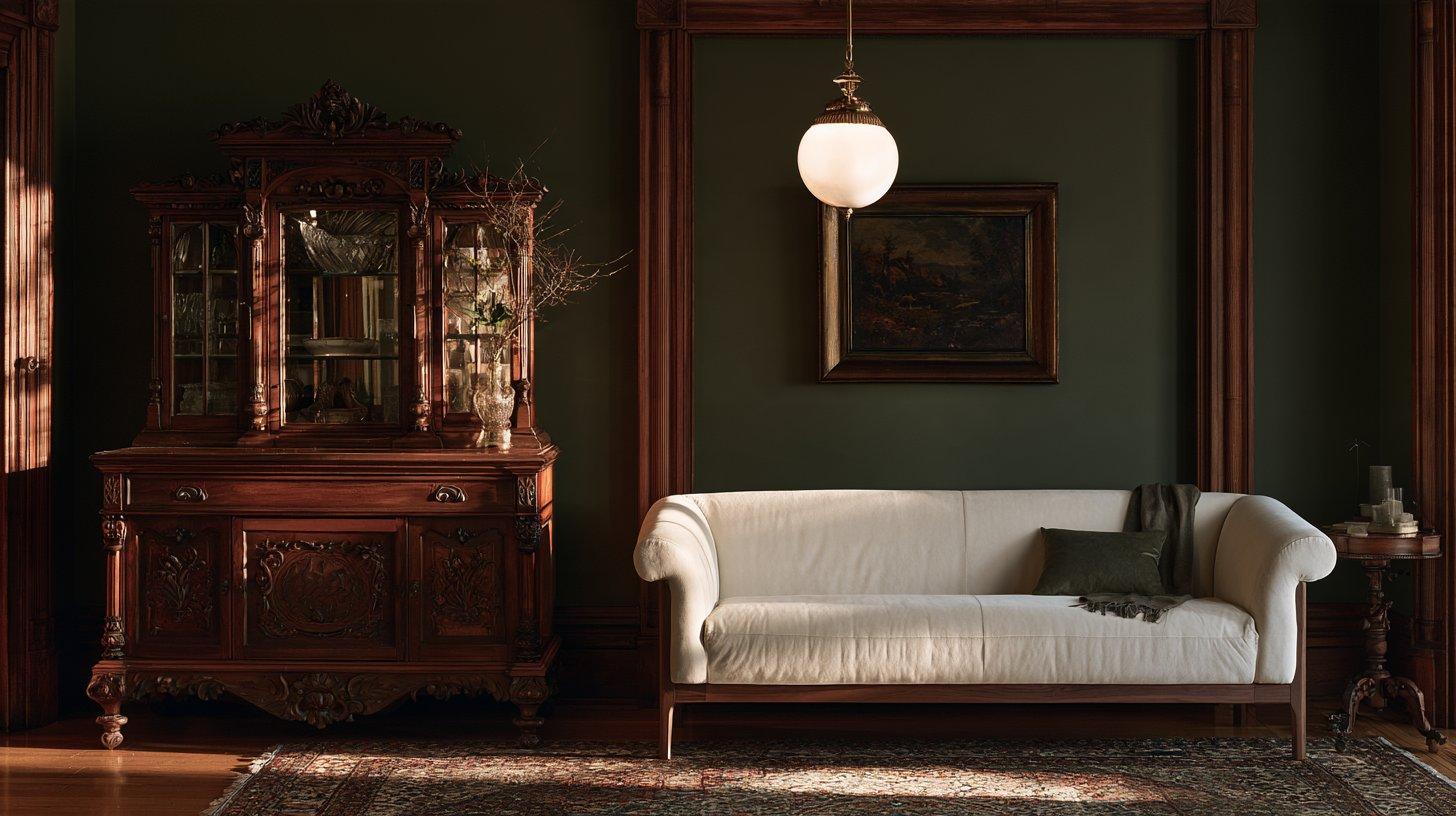
The mistake is thinking an inherited piece needs a matching cast of characters. Put a carved mahogany cabinet next to a sofa with a clean silhouette, and suddenly you notice the cabinet’s details instead of a room full of competing carvings. Keep the big family mirror, but give it a simple console beneath. The contrast feels collected, not staged.
Start with the thing you actually love. Maybe it’s a secretary desk, a substantial table or a portrait nobody can quite agree about. Let that piece set the mood, then choose new furniture for comfort and proportion. A well-made sofa should be somewhere people want to sit, not simply a supporting actor for the antiques.
Wood finishes needn’t match perfectly. Walnut and mahogany can get along when upholstery or a rug gives them breathing room. Scale matters more. A tiny accent chair may disappear beside substantial millwork, while an oversized sectional could swallow the architectural details everyone liked in the first place.
One small test helps: stand at the doorway and look for the object your eye finds first. If everything is demanding attention, remove a piece before adding another.
Start With the Walls: Deep Green, Oxblood and Ink Blue
Here’s a slightly rebellious suggestion for anyone trying to brighten a Victorian room: don’t automatically paint it white.
Forest green gives dark woodwork a sense of purpose. Oxblood brings warmth to a sitting room, especially with a little brass in the picture. Ink blue looks handsome beside brown leather and can feel quieter than charcoal when the lamps come on. The goal isn’t the darkest paint chip in the store. It’s a room with depth.
Saratoga designer Lee Owens made a persuasive case for deeper greens and blues in a home featured by Saratoga Living. One dining room paired a dark green coffered ceiling with neutral wallpaper and light window treatments. There’s a practical lesson in that combination: deep color doesn’t require every surface to be equally dark.
Ceilings deserve consideration, too. Painting walls and ceiling the same shade can blur their edges and let a mantel or artwork stand out. But a low-ceilinged room and a tall parlor are different propositions. Test a large sample high on the wall before committing above your head.
Inspect the color when the sun is scarce. Green that looks handsome at noon might turn nearly black by five. Paint sample patches near the windows and farther inside; look at them in daylight and under the lamps you actually own. If original trim is in good condition, keeping its natural finish may be the better choice. There’s no need to paint away character to create atmosphere.
Walnut, Leather and Velvet: Materials That Make a Dark Room Feel Warm
A moody room needs something beyond moody walls. Otherwise, the effect can go from cozy to cave-like faster than you can say February.
Think about what lamplight will touch. Light catches the grain of a walnut table, slides across a leather chair and settles softly on velvet. Those differences give the room movement even when the palette is restrained. A green wall behind a cognac chair feels different from the same wall behind another flat, dark surface.
Don’t make everything heavy. A wool rug with cream in its pattern can lift dark floorboards. A pale lampshade gives the eye a resting place. A picture with a generous light-colored mat may do more than another dark accessory.
There’s also the matter of actual living. Velvet looks beautiful in photographs, but households with shedding pets or energetic children might prefer an easier-care upholstery with a similar feel. Leather ages differently depending on its finish and care. This only works if everyone is still willing to use the room on a Tuesday night.
For an easy starting palette, choose one deep wall color, one warm wood tone and one lighter textile that repeats in more than one spot. It will look considered without looking coordinated to the point of stiffness.
Lamps, Not Overheads: Layered Light for Short Days
You know the scene: you’ve finally painted the parlor a dramatic blue, then flip on one glaring ceiling fixture. Mood over.
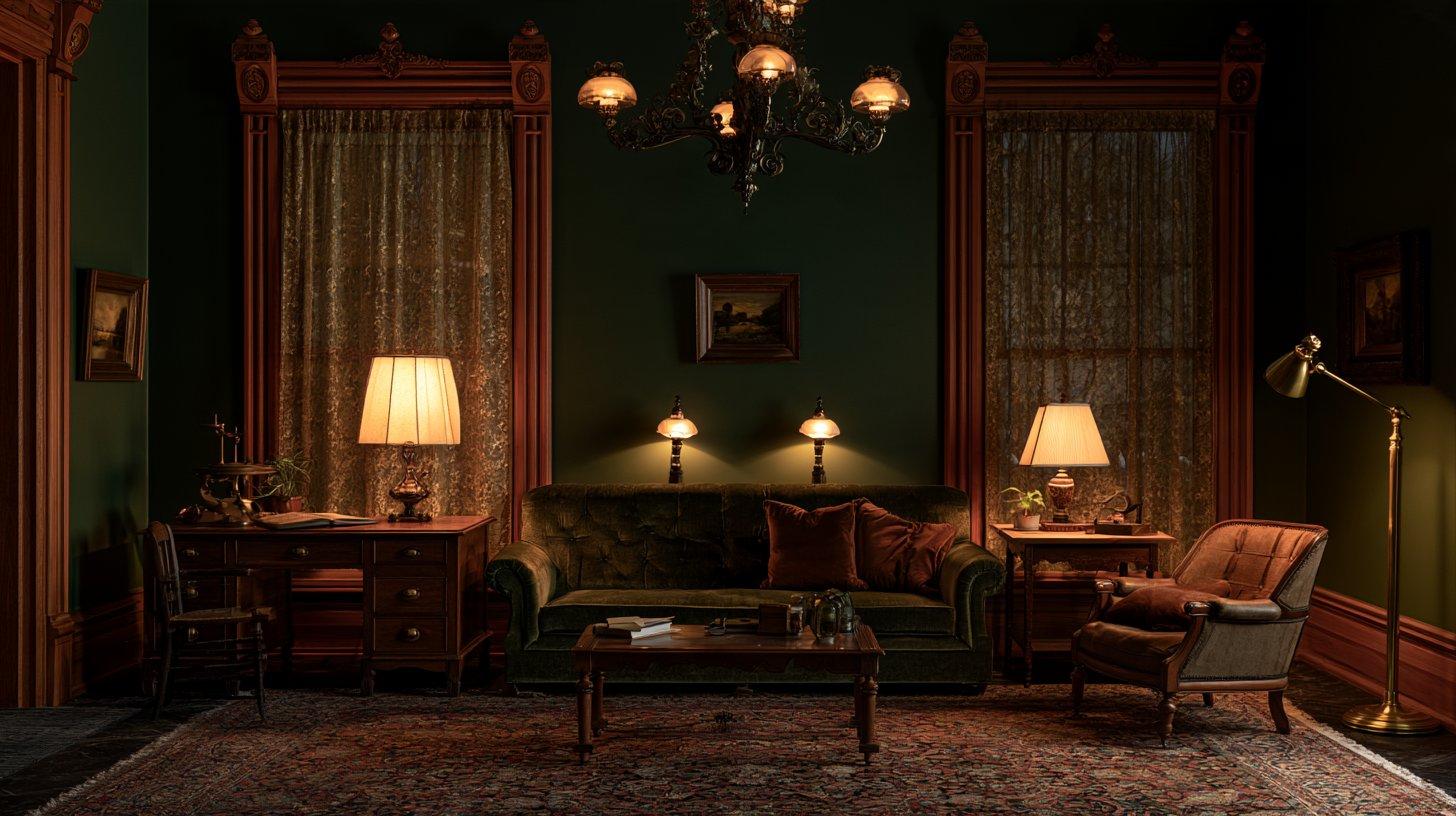
A chandelier can remain the star of the ceiling without handling every lighting job. Put a lamp beside the sofa where someone reads. Place another at the far end of the room, perhaps on that inherited sideboard. A floor lamp next to a club chair can turn an overlooked corner into the seat everyone claims first.
The trick is to spread light around at different heights instead of pouring it all into the center. Warm-white bulbs around 2700 Kelvin are a useful starting point. Fabric shades soften the glow, but a dark shade may not give a reader enough light. What looks lovely from the doorway isn’t always what works from an armchair.
Beautiful isn’t enough if you can’t find your book. Test each seat after sunset. Can you see the page? Is the route to the hallway clear? Older homes may have awkward outlet locations, too. A plug-in sconce can sometimes avoid opening plaster, provided cords are kept out of walkways and installed according to the fixture’s instructions.
Keep the overhead light for cleaning days. There’s no prize for dusting in atmospheric darkness.
Start With the Front Parlor
Trying this treatment in every room at once sounds exhausting. A front parlor, where the house has one, makes a better experiment. It may already have tall windows, interesting trim or a mantel that gives you a natural focal point.
An old money living room can take shape around a deep sofa, a pair of leather club chairs and lamps beside the seating. But don’t let the name dictate the room. A Saratoga parlor should accommodate the people who actually live there, not an imaginary Gilded Age guest list.
Before moving furniture, decide what happens here. Conversation after dinner? Sunday reading? Family gathering after an afternoon outside? Arrange chairs close enough to talk without shouting over a giant coffee table. Give each seat somewhere to set down a cup. A room that looks grand but strands guests six feet apart isn’t particularly hospitable.
Original pocket doors, radiators and fireplace surrounds can complicate a plan that looks easy on paper. Measure the clearances and walk the route through the room before settling on a layout. If a large sofa blocks a doorway or a heat source, it’s the wrong sofa, however handsome it may be.
Then have a trial evening. Borrow two lamps from another room, bring in a darker throw, and tape paint samples where you’ll actually see them. Sit down. Read for half an hour. Invite a friend over. You’ll learn more from using the space than from another afternoon of inspirational photographs.
One Room, One Saratoga Winter
Maybe the first change is ink-blue paint. Maybe it’s moving a family cabinet into the parlor and finding a proper lamp for the corner. There’s no reason to tackle the entire house before the next snowfall.
Saratoga’s historic architecture has survived generations of changing taste. It can handle a clean-lined sofa and a bold ceiling. When the last afternoon light leaves North Broadway, the most convincing sign of a successful room won’t be how closely it resembles a Gilded Age photograph. It’ll be whether anyone wants to leave it.