What Is Gimkit? A Quick Guide to the Learning Game
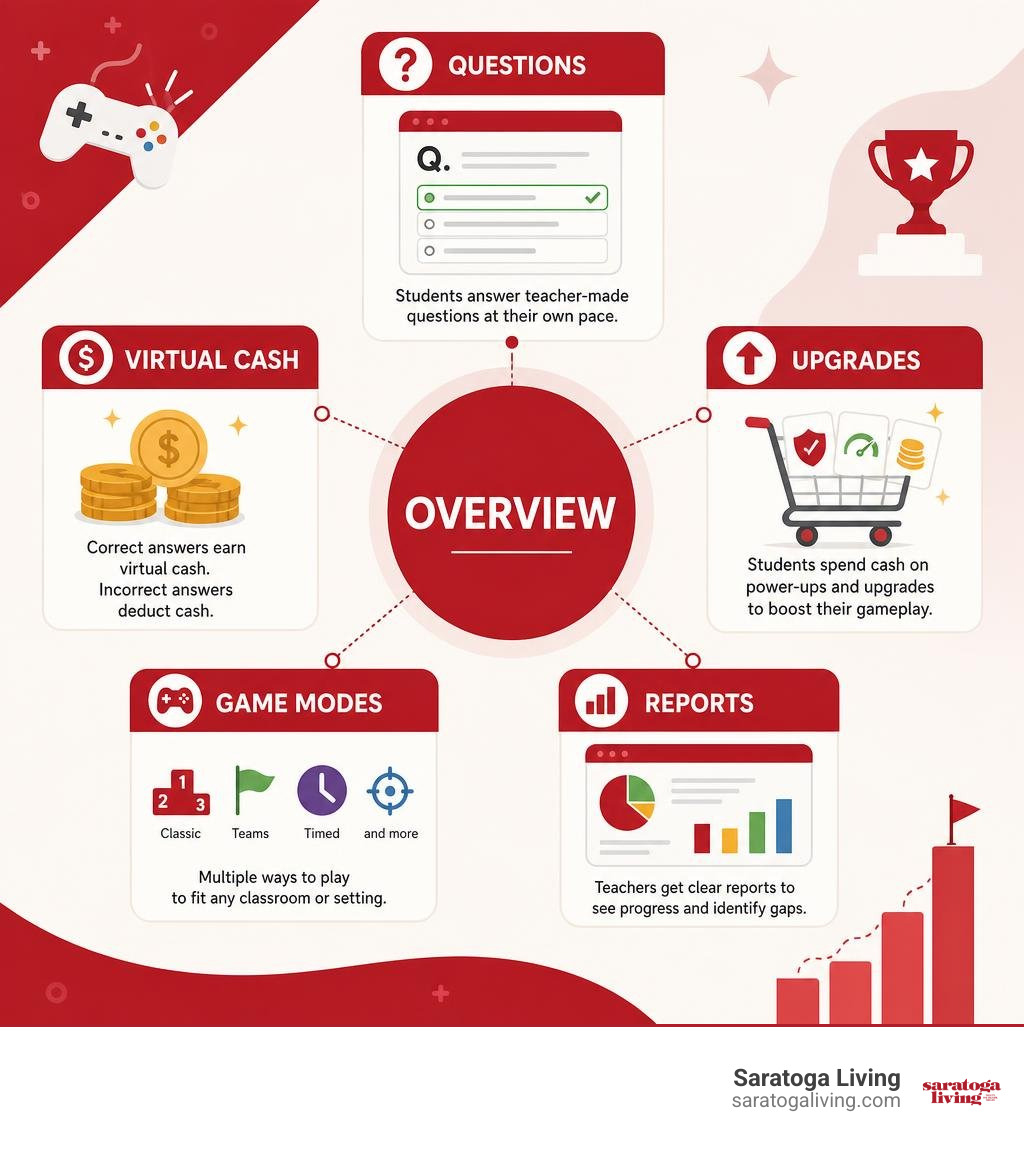
Gimkit is an online learning game where students answer teacher-made questions, earn virtual cash for correct answers, and spend that cash on upgrades during live games or self-paced assignments.
| At a glance | What it means |
|---|---|
| Main purpose | Makes quiz review feel more like a strategy game |
| Who uses it | Teachers, students, families, and homeschool groups |
| How it works | Students answer questions, earn or lose in-game cash, and buy power-ups |
| What makes it different | Players work at their own pace instead of racing to answer every question first |
| Content source | Teachers can build question sets called Kits, import material, or invite students to help create questions |
Created in 2017 as a high school project, Gimkit has grown into a widely used classroom tool with many game formats. Its mix of recall practice, choice, and game strategy can make review sessions more active than a standard worksheet or quiz.
For busy families and educators, the key point is simple: Gimkit is a supplemental learning tool, not a full curriculum. It can support a quick class warm-up, an exam review, or an at-home practice session while giving teachers useful results data afterward.
Guest Posts will walk through how Gimkit works, what it costs, and where it fits best in learning.
What is Gimkit and How Does It Work?
At its heart, gimkit is an interactive, game-based learning platform designed to make review sessions engaging, memorable, and strategic. While traditional classroom review games often require everyone to answer the exact same question simultaneously on a central screen, Gimkit – live learning game show turns that framework on its head.
In a standard session, students interact with questions on their own individual devices—whether smartphones, tablets, or computers—at their own independent pace. Correct answers grant virtual cash, while incorrect answers deduct currency. This creates immediate stakes and keeps students focused on accuracy alongside speed.
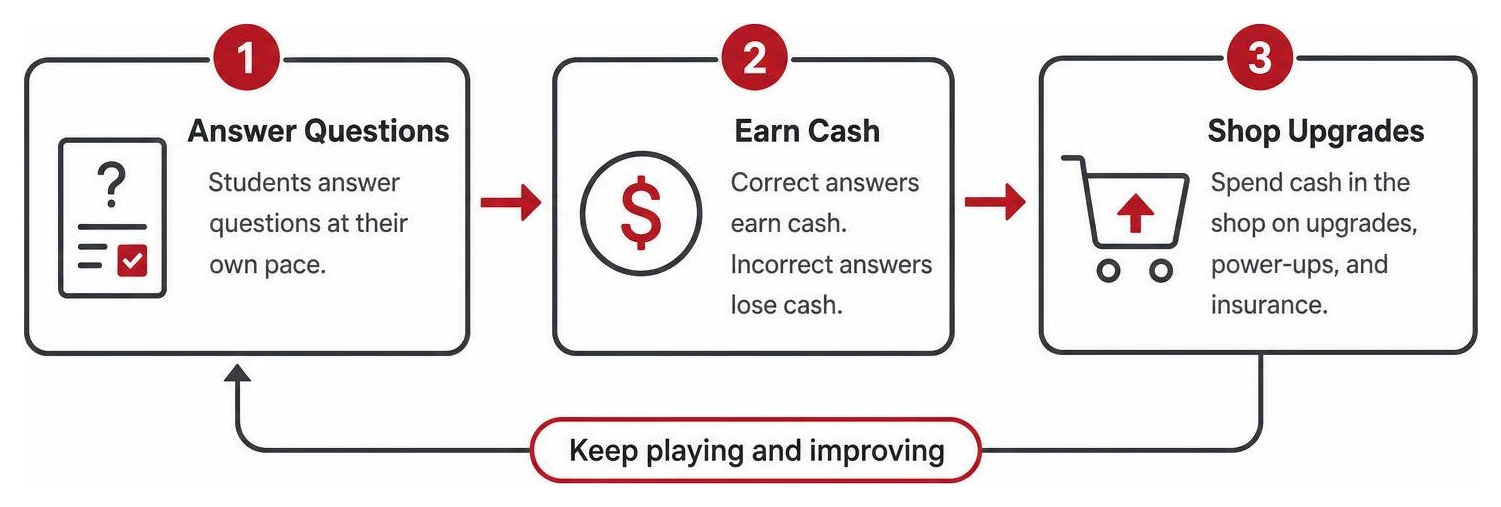
The central mechanic that distinguishes gimkit from simple trivia platforms is its strategic economy layer. Students do not just hoard their in-game cash; they actively reinvest it in a shop filled with upgrades, power-ups, multipliers, and insurance policies. This core mechanic relies on repeated exposure to learning material. Because questions cycle continuously throughout a game session, students encounter concepts multiple times, promoting true mastery rather than lucky guessing.
The Origin Story Behind Gimkit
The history of gimkit is one of the most inspiring stories in modern educational technology. In 2017, a high school junior named Josh Feinsilber from the Seattle area found himself uninspired by routine classroom worksheets. Recognizing that digital games kept him actively engaged, he decided to build a prototype review game as a personal high school project.
According to Gimkit – The Gimkit Wiki, the platform was almost named “Gimley” before settling on Gimkit. Early on, because Feinsilber was still a minor, his father co-owned the company when Gimkit Inc. officially incorporated in June 2018. From answering customer support tickets between high school homework assignments to donating $500 monthly to educators today through the GiveKit initiative, the platform has grown into a global classroom favorite used by millions of students and educators.
In-Game Currency, Upgrades, and Dynamic Game Modes
The virtual currency system is what powers student motivation inside gimkit. As players build up their cash reserves, they can pause answering questions to enter the in-game shop and purchase game-changing boosts:
- Money Per Question Upgrades: Boosts the baseline cash earned for every correct response.
- Streak Bonuses: Grants massive cash multipliers when answering multiple questions correctly in a row.
- Multiplier Upgrades: Exponentially increases overall earnings as the game progresses.
- Insurance Policies: Protects cash reserves against heavy financial penalties when a hard question is missed.
- Power-Ups & Sabotage: Allows players to temporarily freeze opponent screens, steal points, or slap down shields.
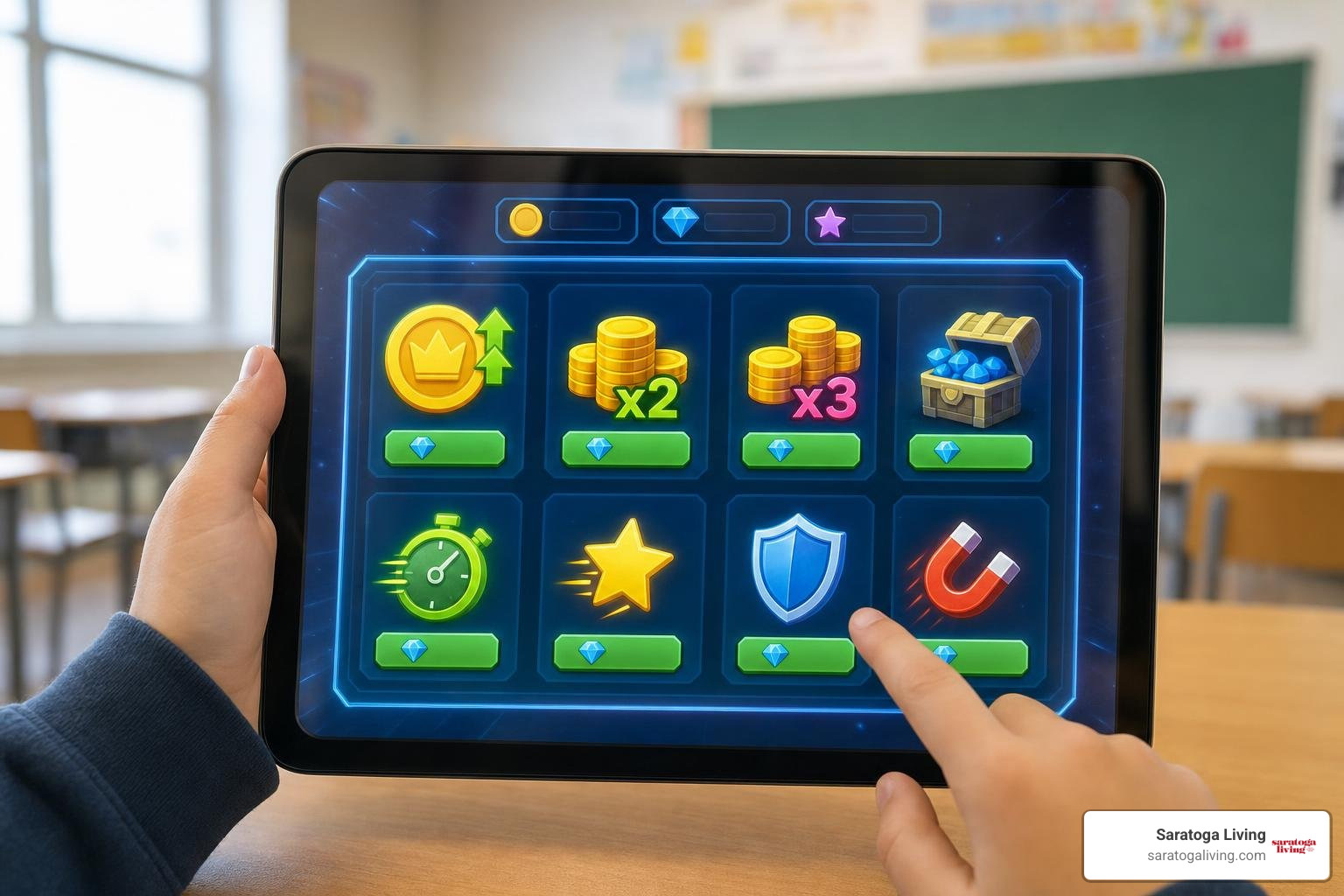
This strategic reinvestment model encourages critical thinking. A student who invests early earnings into high-tier multipliers will often surpass a player who simply saves cash without upgrading, teaching basic economic strategy alongside academic content.
Exploring the 27 Unique Game Modes
To keep learning fresh and engaging, gimkit offers 27 unique game modes categorized into distinct play styles. These formats cater to diverse learning preferences and group dynamics:
- Top-Down Modes: Action-packed, free-roaming visual worlds like Fishtopia, Color Clash, and Diamond Rush, where answering questions grants resources to explore maps, catch fish, or gather gems.
- Platformer Modes: Jump-and-run skill challenges where correct answers unlock movement abilities and grant access to hidden areas across intricate levels.
- Tycoon Twists: Pure strategy modes focused on managing resources, building virtual empires, and maximizing financial efficiency through systematic upgrades.
- Collaborative & Social Modes: Popular survival and deduction games such as The Floor is Lava, Humans vs. Zombies, and Trust No One (a social deduction mode heavily inspired by Among Us). In these modes, class success depends on collective strategy and team communication.
Kit Creation, KitCollab, and Supporting Diverse Learners
Creating content on gimkit is flexible and intuitive for teachers and parents. Educators can build a question set—known as a “Kit”—from scratch by adding text, images, and audio clips. Alternatively, they can import existing flashcard decks directly from Quizlet, import CSV spreadsheets, or pull questions from the extensive public Question Bank.
One of the platform’s standout features is KitCollab. In this mode, students collaborate in real time before a game starts by writing and submitting their own questions. The teacher receives these questions on an interactive dashboard, accepts or edits the high-quality submissions, and launches a game built entirely by the students themselves. This encourages peer feedback and deepens content comprehension.
Furthermore, gimkit serves as an adaptable tool for neurodiverse learners across grades 3 through 12:
- ADHD Support: The reward cycles, dynamic game modes, and short interactive play bursts help sustain focus far better than static paper worksheets.
- Sensory Adjustments: Teachers can turn off background audio, adjust game timers, or select calmer, low-intensity game modes to accommodate students with sensory processing differences.
- Dysgraphia & Motor Accommodations: Because most questions rely on multiple-choice selection or light text input, students who struggle with physical handwriting can participate fully without physical fatigue.
- Gifted & 2e Learners: Advanced students can take charge by designing complex Kits, building custom interactive maps in Gimkit Creative, or hosting live games for their peers.
Live Game Codes, Free Tier, and Subscription Options
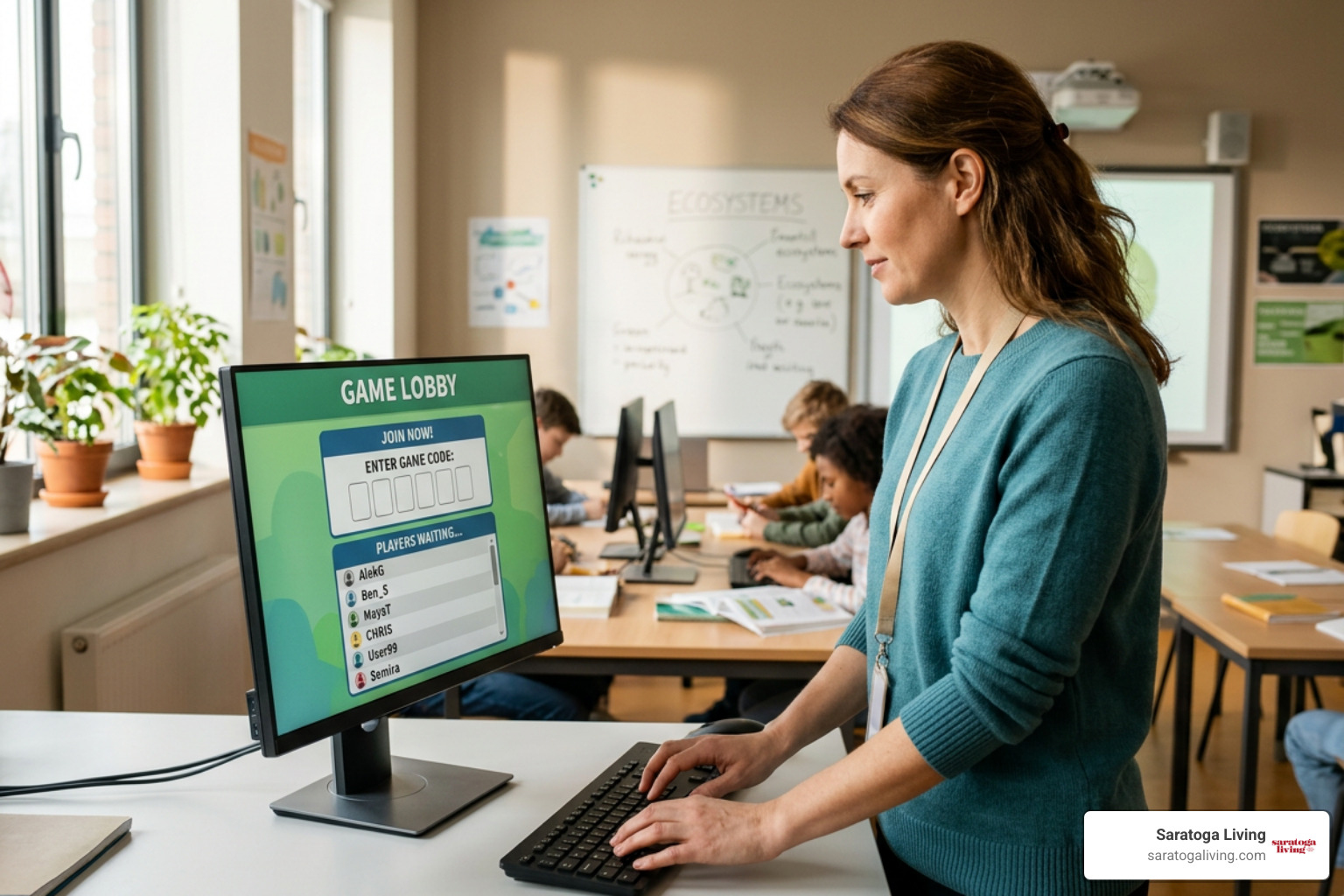
Joining a live game of gimkit is quick and straightforward. When a host launches a game, the system generates a unique 5-6 digit game code (or a 7-8 digit code for Creative sandbox sessions). Players simply navigate to the join screen on any browser, type in the temporary numeric code, pick a nickname, and jump into the lobby.
For gamers looking for active public sessions or custom matches outside the classroom, active game codes are regularly shared across social media and student forums. The official Gimkit Discord community boasts over 44,000 members where players gather to host live matches, trade strategy advice, and share custom maps. Readers looking for current, active hosting codes and community tips can check Gimkit Codes to Join Right Now: Epic Live Games 2025 for full details on how to get started safely without falling for fake code scams.
Free Tier vs. Gimkit Pro Pricing Breakdown
Understanding the subscription tiers helps educators and homeschool families select the best setup for their needs:
| Feature | Free Tier | Gimkit Pro |
|---|---|---|
| Annual Price | $0.00 | $59.98 / year |
| Monthly Price | $0.00 | $9.99 / month |
| Player Capacity | Limited to 5 players per game | Up to 60 players per game (500 for large events) |
| Game Modes | Access to select core modes | Unlimited access to all 27 game modes |
| Homework Assignments | Basic assignment features | Unlimited asynchronous homework hosting |
| Customization | Standard Kit options | Full audio uploads, custom images, and extra cosmetics |
Group licensing options are also available for broader adoption, including a Department License ($650/year for up to 20 teachers) and a School License ($1000/year for an entire school staff).
Frequently Asked Questions About Gimkit
How do students earn virtual cash in the game?
Students earn virtual cash by answering questions correctly. Maintaining consecutive correct answers triggers streak multipliers that boost payouts. Earned money can then be spent in the in-game shop on permanent multipliers and upgrades to maximize future earnings.
What is KitCollab and how does it work?
KitCollab is a collaborative creation feature where students submit their own review questions directly from their devices into a shared class lobby. The host teacher reviews, edits, or approves each question in real time before launching a game built directly from student contributions.
Can games be assigned for homework?
Yes! Educators can assign Kits asynchronously as self-paced homework assignments. Teachers set a target virtual cash goal or time limit, and students work through the questions on their own schedule. Once completed, gimkit automatically grades the session and generates detailed accuracy reports for the teacher.
Conclusion
From its humble beginnings as a high school passion project in 2017 to its status today as an educational tech staple, gimkit demonstrates how thoughtful gamification can transform traditional learning. By blending virtual currency economies, engaging social game modes, and real-time student collaboration, it turns routine review into a high-energy strategy session that students genuinely look forward to.
At Saratoga Living, we love highlighting the tools, technologies, and innovative ideas shaping modern education across New York’s Capital Region and beyond. Whether you are a teacher looking to revamp your test prep, a parent seeking fun homeschool options, or a lifelong learner curious about digital edtech trends, exploring tools like Gimkit is a great way to spark curiosity. Explore Capital Region culture and events with Saratoga Living to stay up to date on the best sports, technology, food, and community stories across Saratoga Springs!