Photography by Kyle Adams

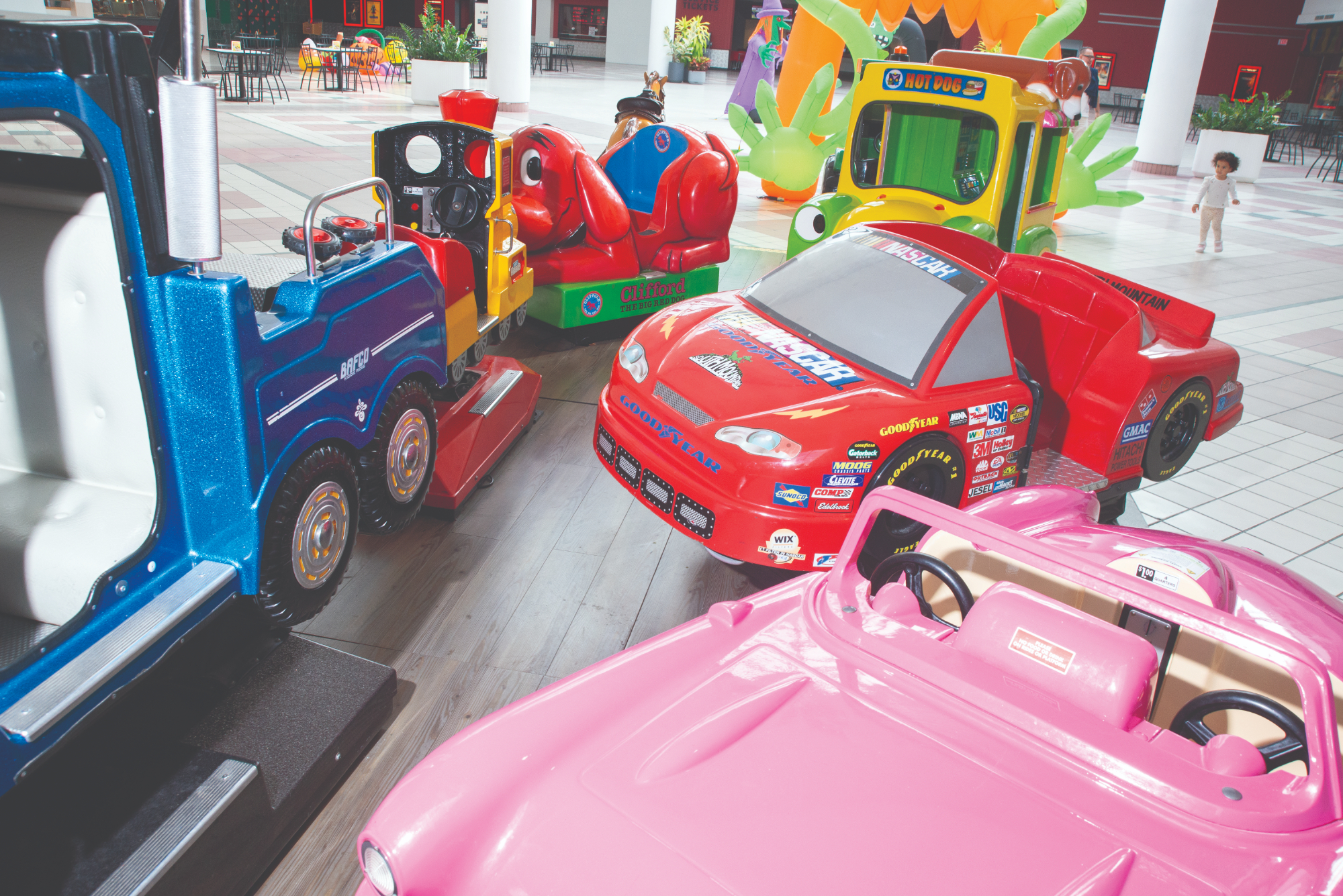
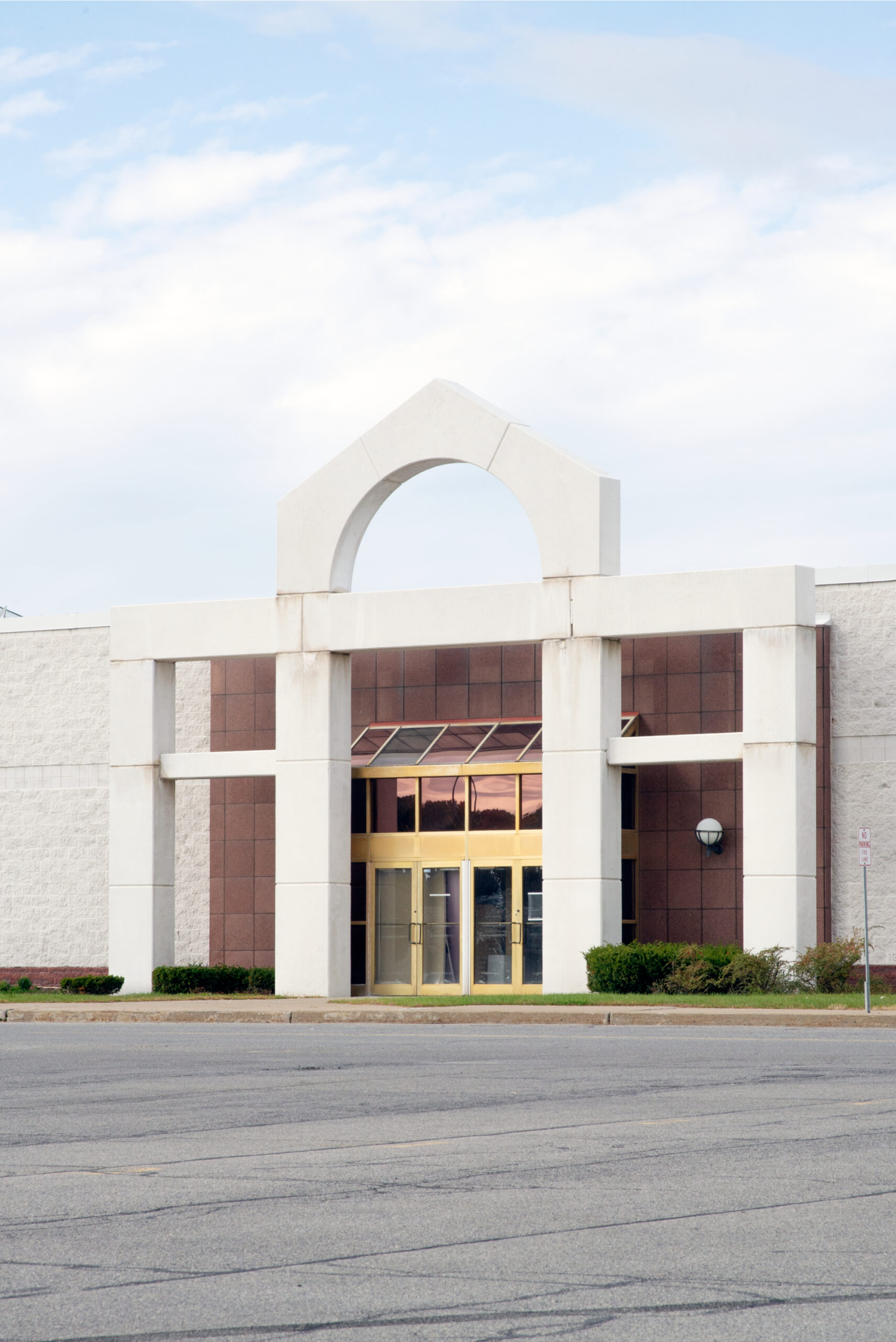
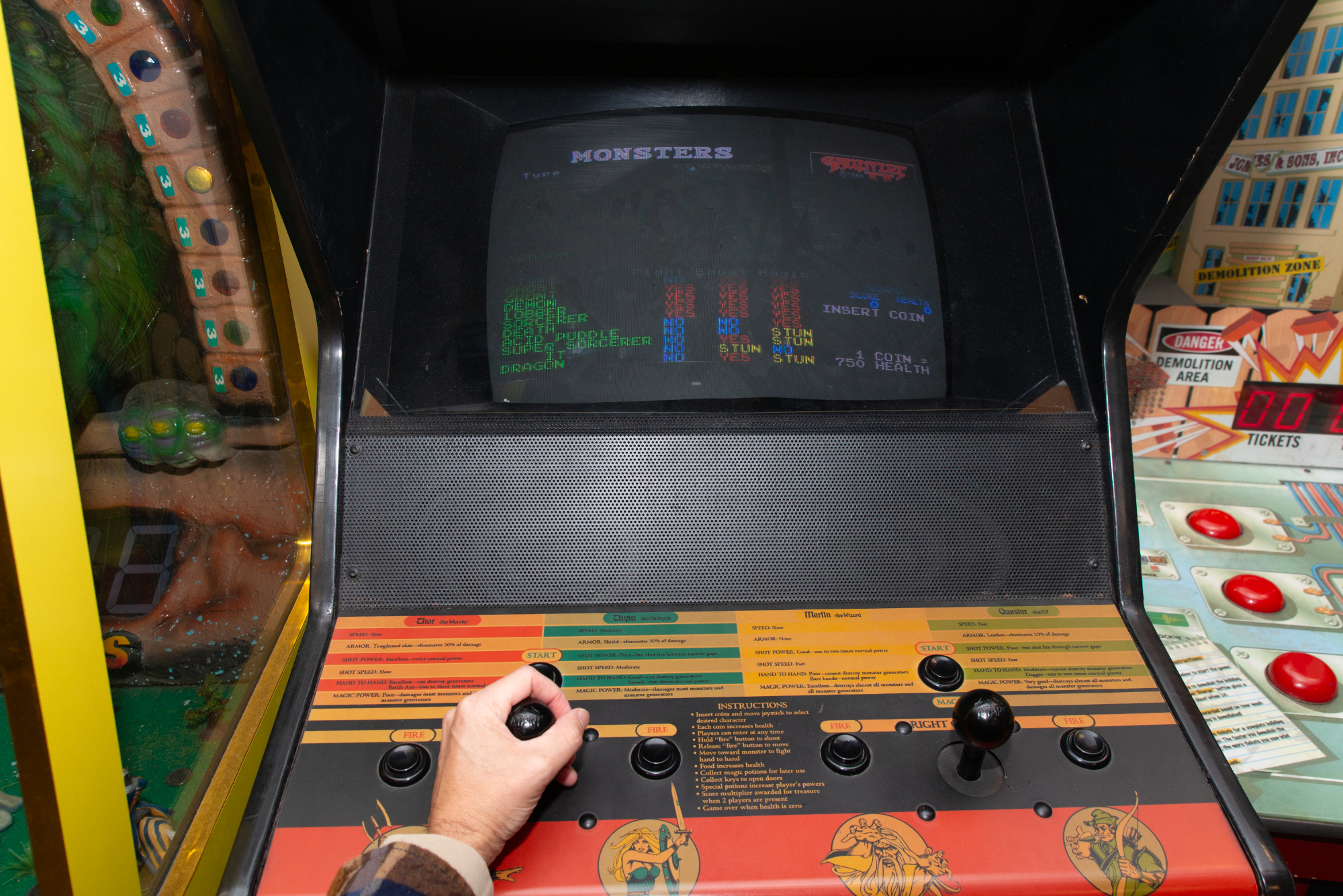
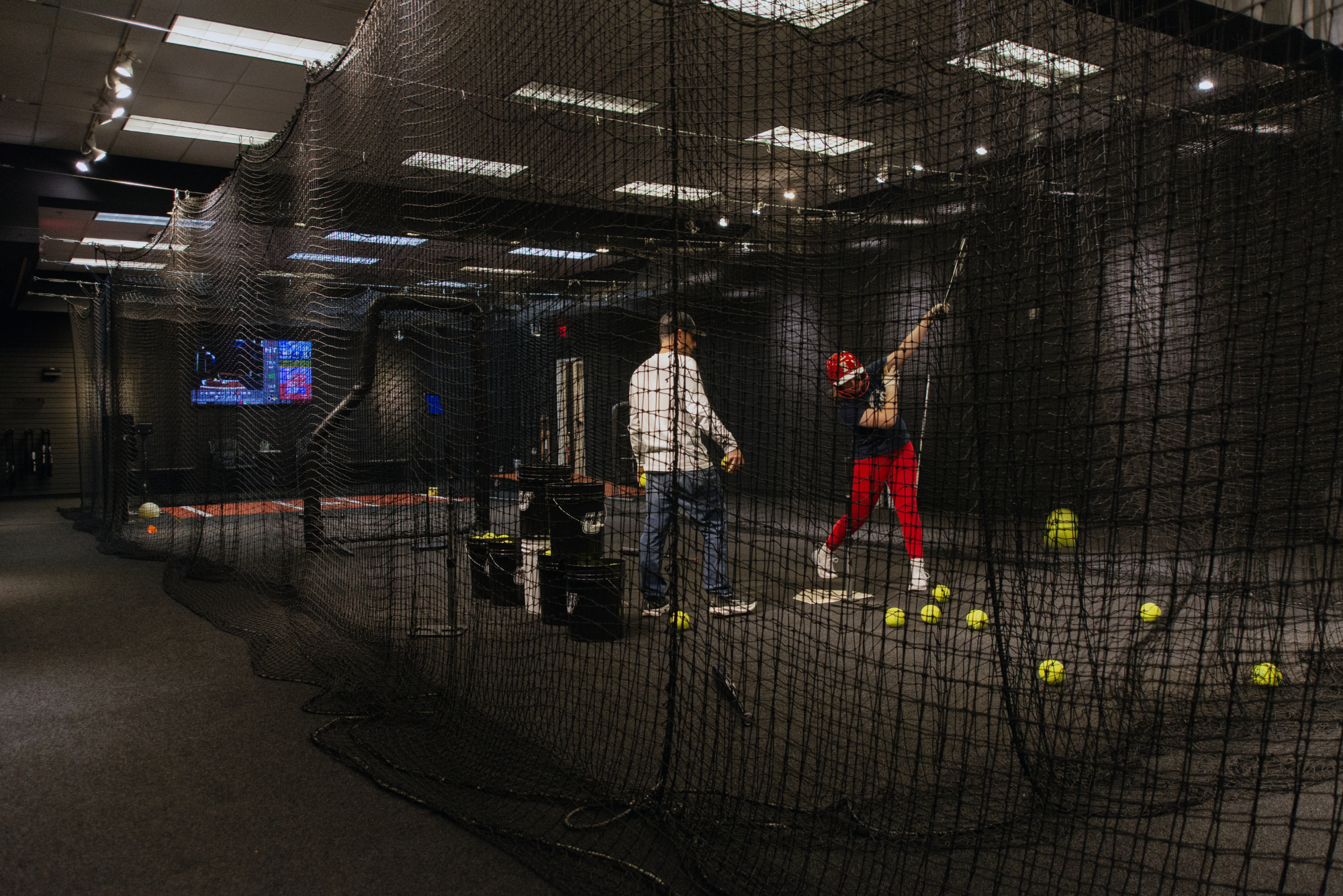
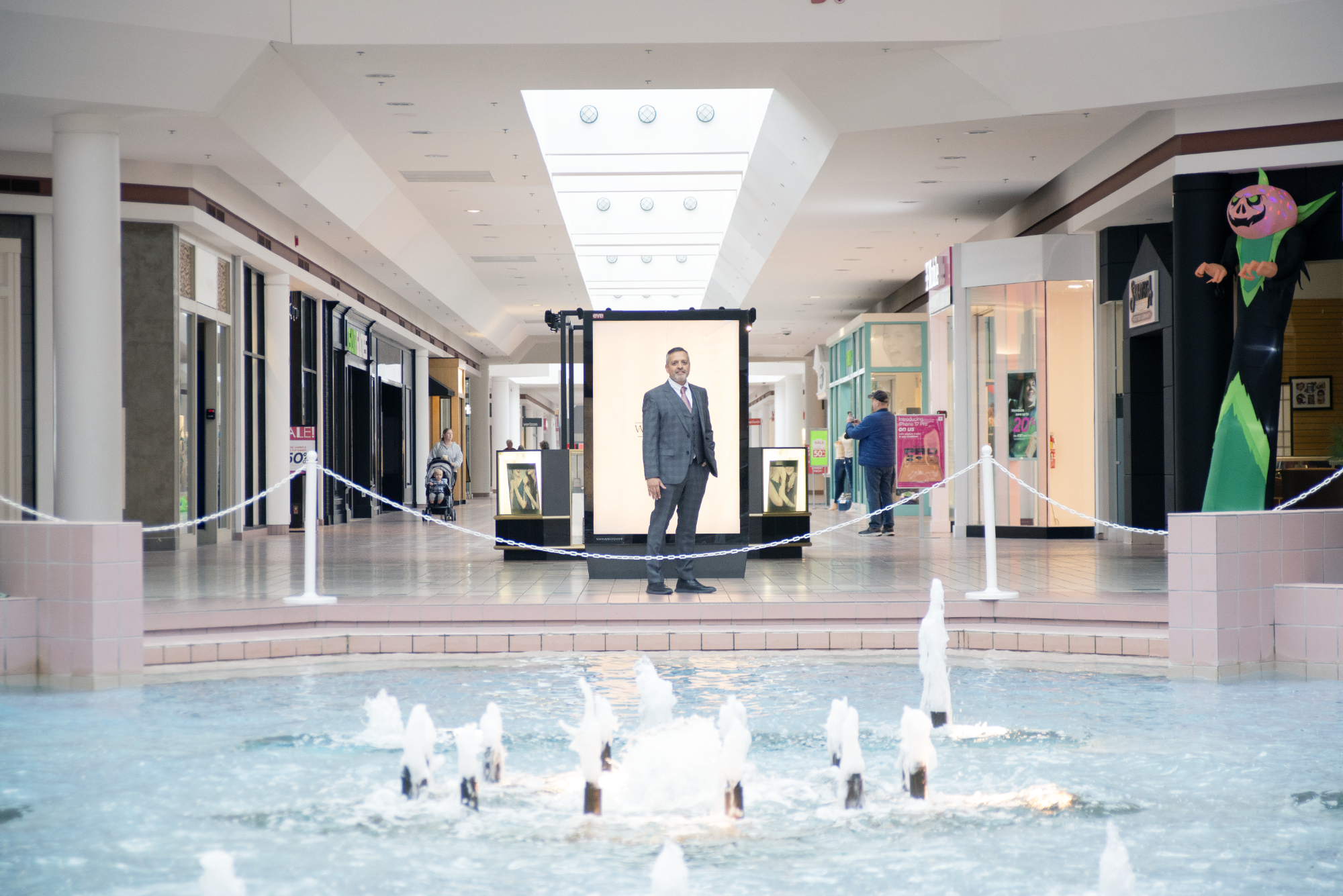

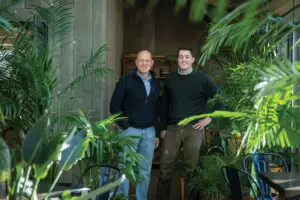
Faraz Khan is passionate about malls.
The Albany native isn’t a mall rat, if there even is such a thing in today’s world. Nor is he overly interested in shopping as a hobby. Instead, he’s concerned with building places for people to come together—and he’s using marketing data to make those spaces actually work for people.
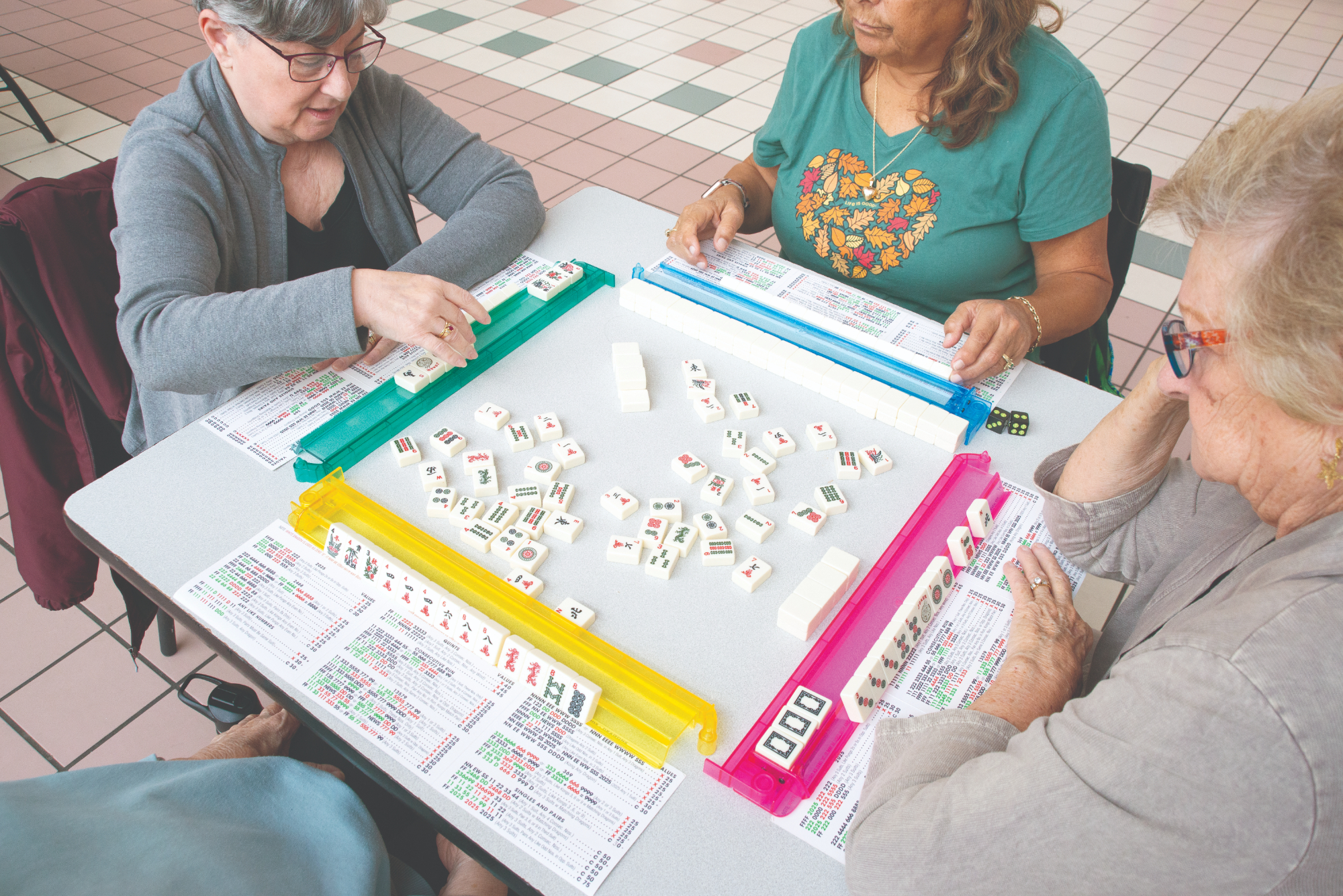
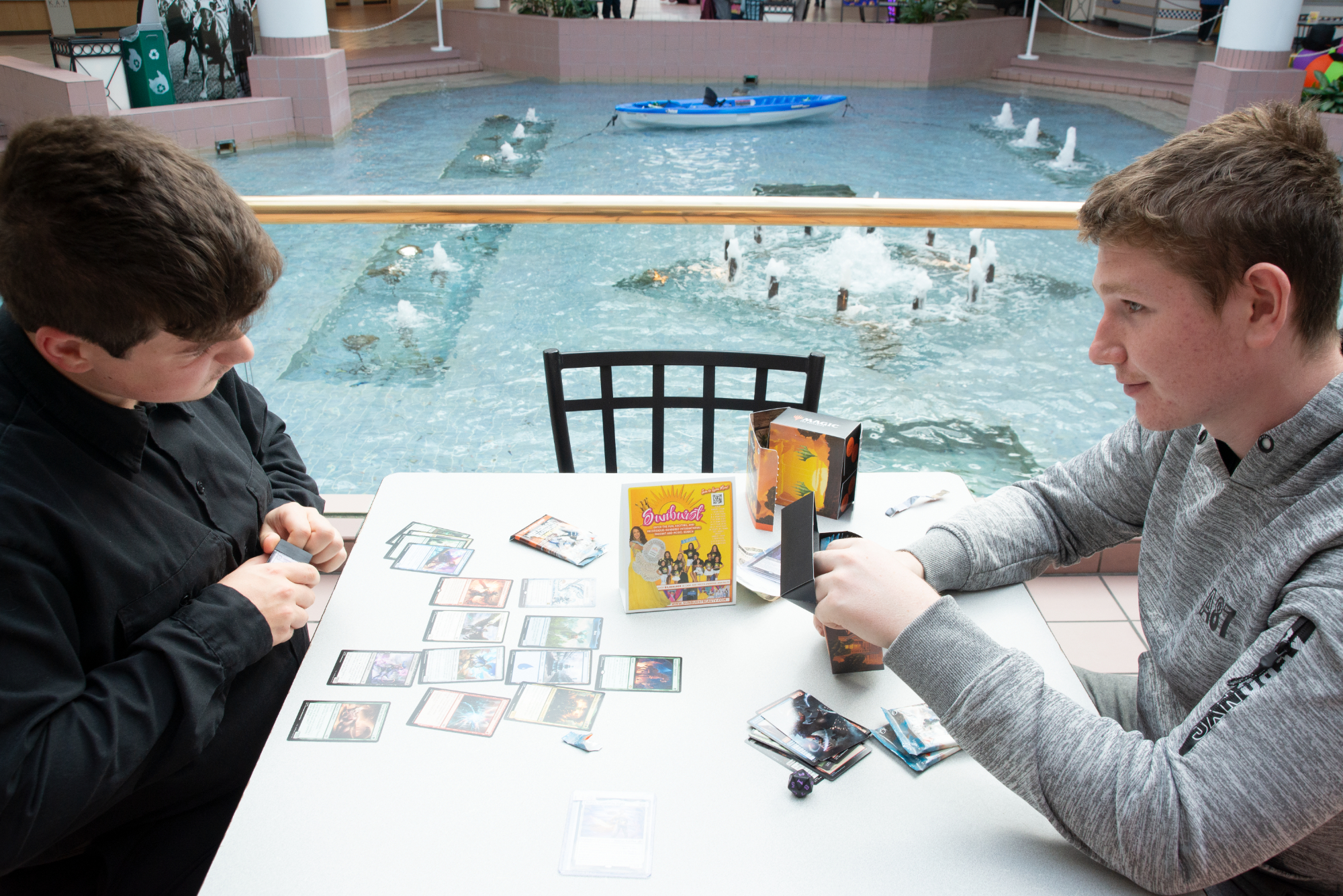
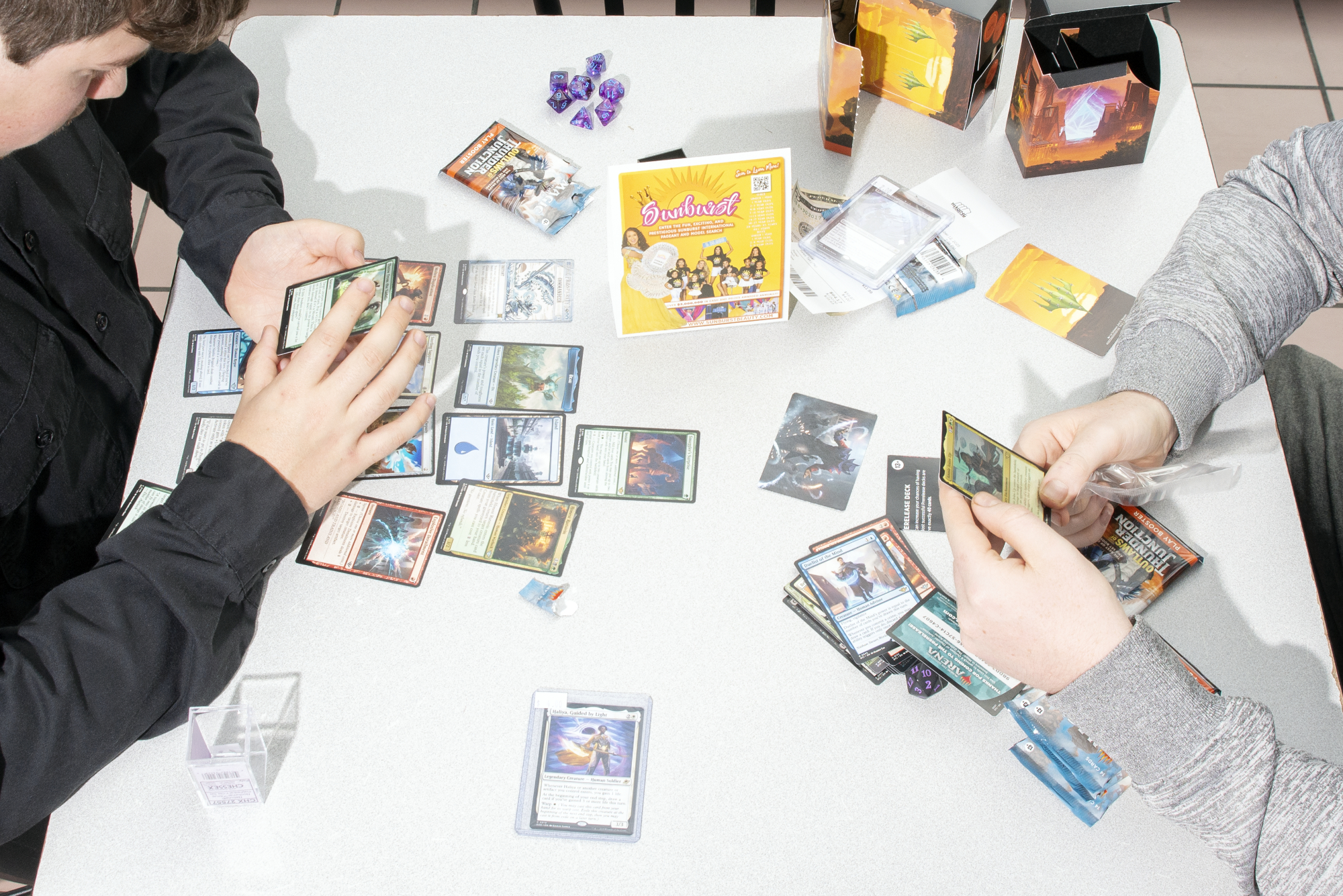
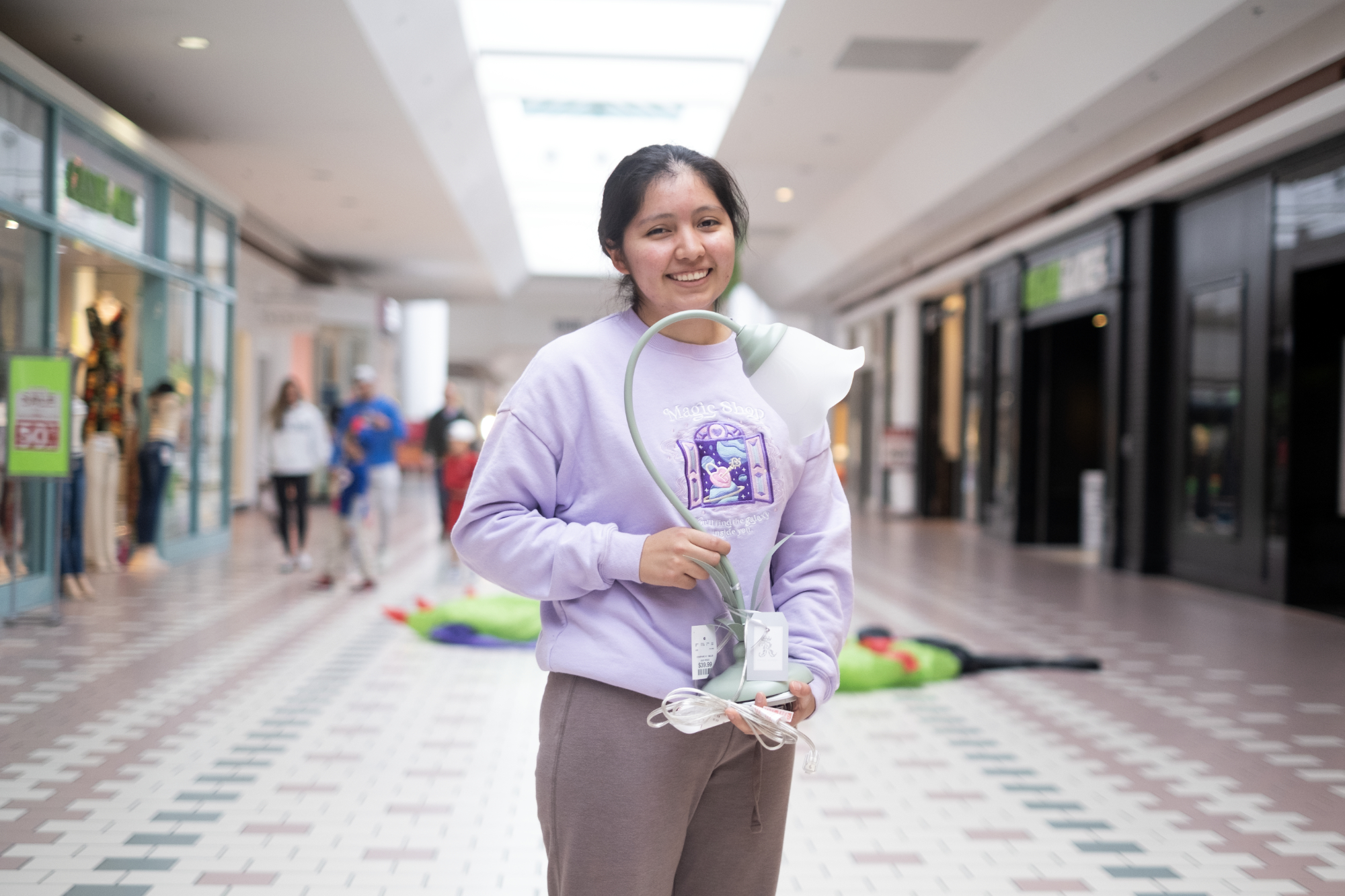
Khan, a local real estate developer who purchased Wilton Mall from a California-based real estate trust this past spring, grew up in a time when adolescents used malls to socialize as much as they did to shop. Malls were quintessential “third places”—spaces outside of home and school/work where people were able to connect with their community on an informal, free basis.
“Think back across time—across the globe—to town centers, open-air bazaars, and even the general store,” says Khan. “Marketplaces create that opportunity for connection. Otherwise, people are in bubbles.”
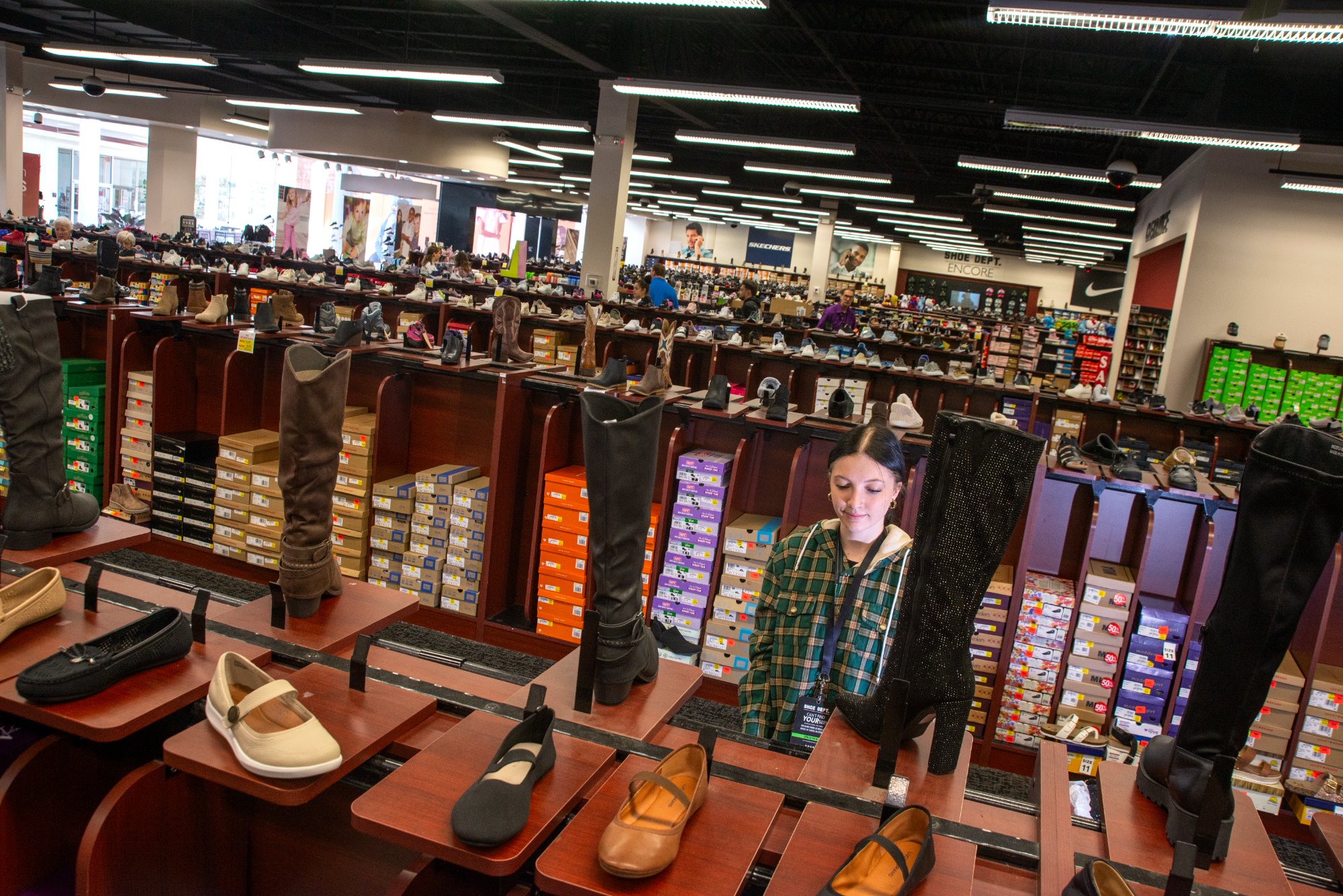
With the rise of online shopping and the shuttering of stores that once served as anchor tenants for malls, many shopping centers have become shells of their former selves. (As have many humans.) In the 2010s, terms like “dead mall” and “zombie mall”—used to describe deteriorating shopping centers with low customer traffic—came into the American lexicon.
“There were 25,000 malls across the country between 1989 and the early 1990s,” Khan says. “But by 1998, the market had crashed; we had about 4,500 malls. Today, only about 900 are left.” Khan puts it another way: Malls didn’t just have a bad year; they had a bad 20 years.
But while at one time malls appeared to be on their way out for good, in recent years there’s been a movement to save them—and Khan is leading the charge.
Take Clifton Park Center, a once-run-down mall that Khan purchased in 2023 and immediately began improving upon. After recognizing that Clifton Park was primarily a family market, Khan’s team began developing the center to meet those customers’ needs. They intentionally put the stores serving families near each other for ease of use, and began hosting community events including car shows, craft fairs, and a winter festival.
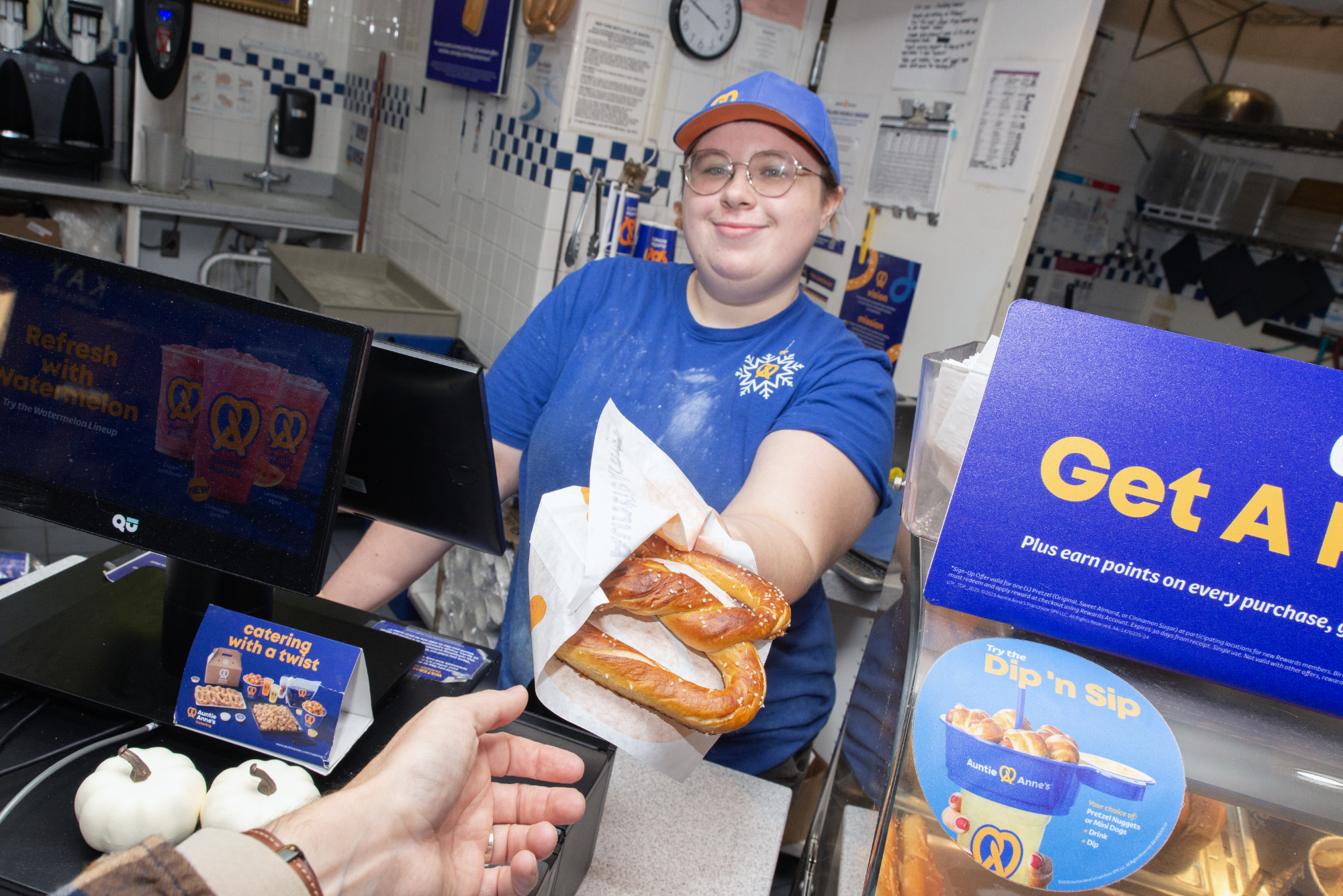
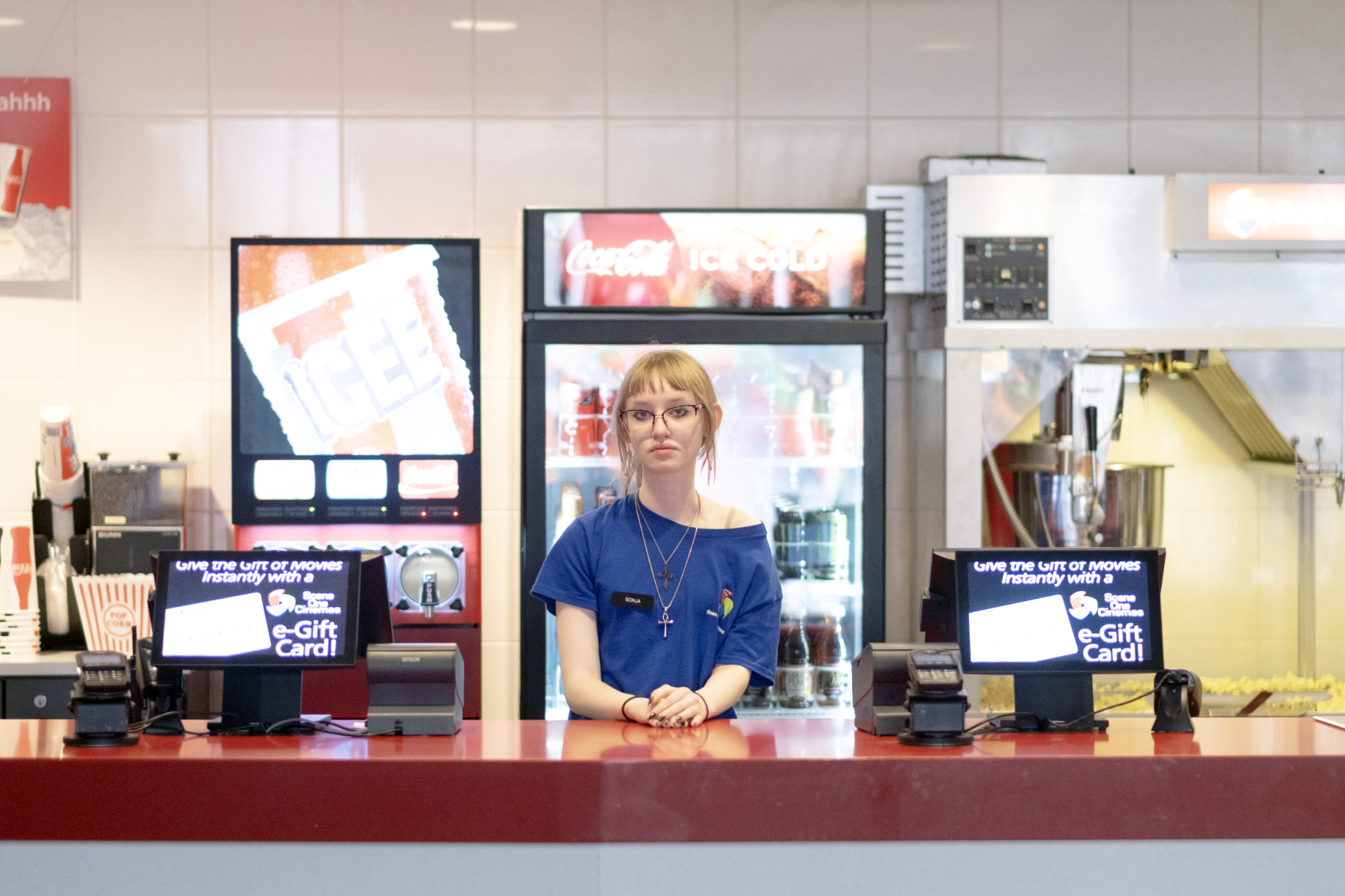
Now, Khan says, Clifton Park Center’s vitality reminds him of the “meet me at the mall” days of old. Claire’s, the teen jewelry chain once present in virtually every mall in America, may be gone (the Clifton Park store closed in 2024 and the company filed for bankruptcy for the second time earlier this year), but there are plenty of experience-based new concepts that have taken its place, from a trampoline park to a cryotherapy studio.
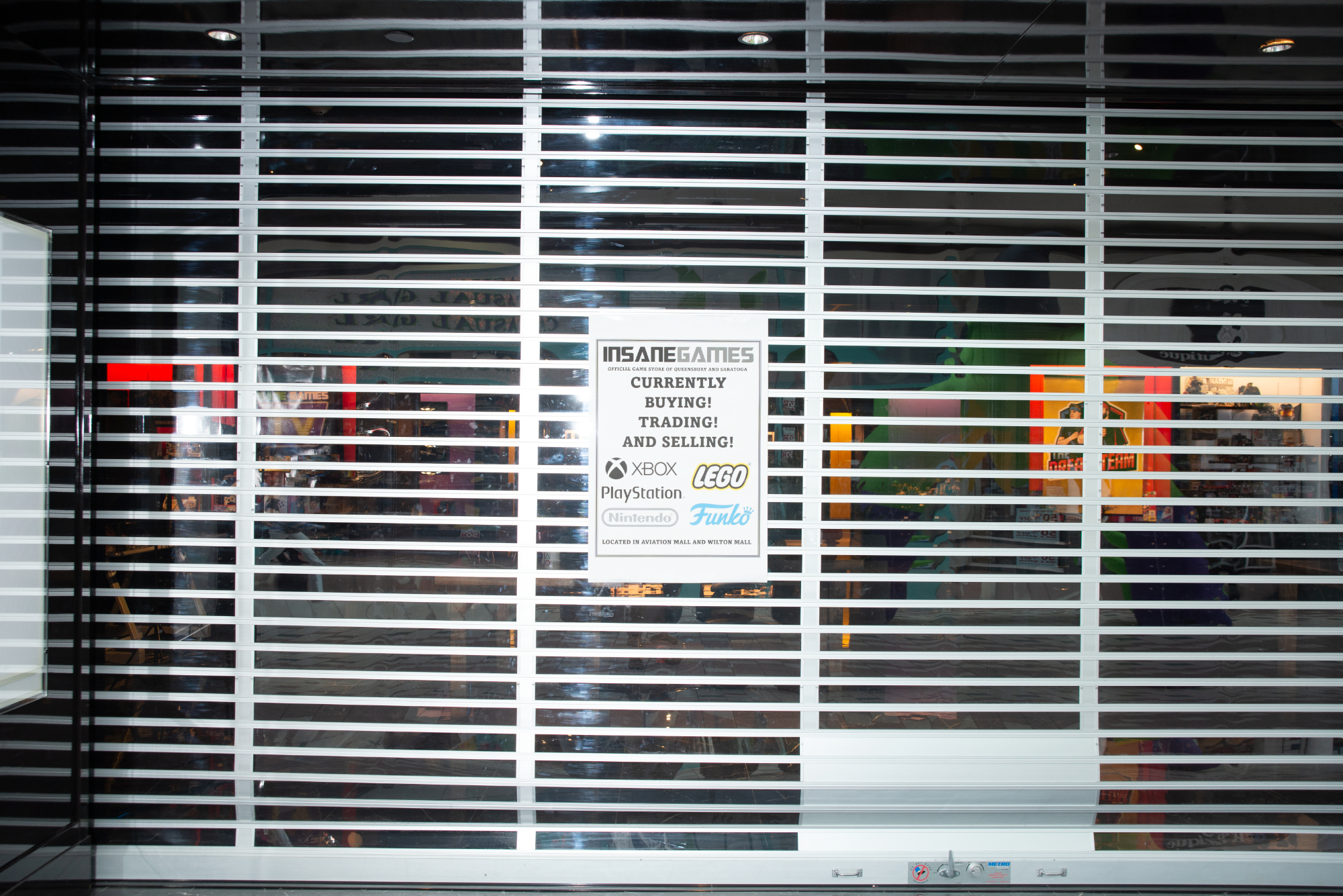
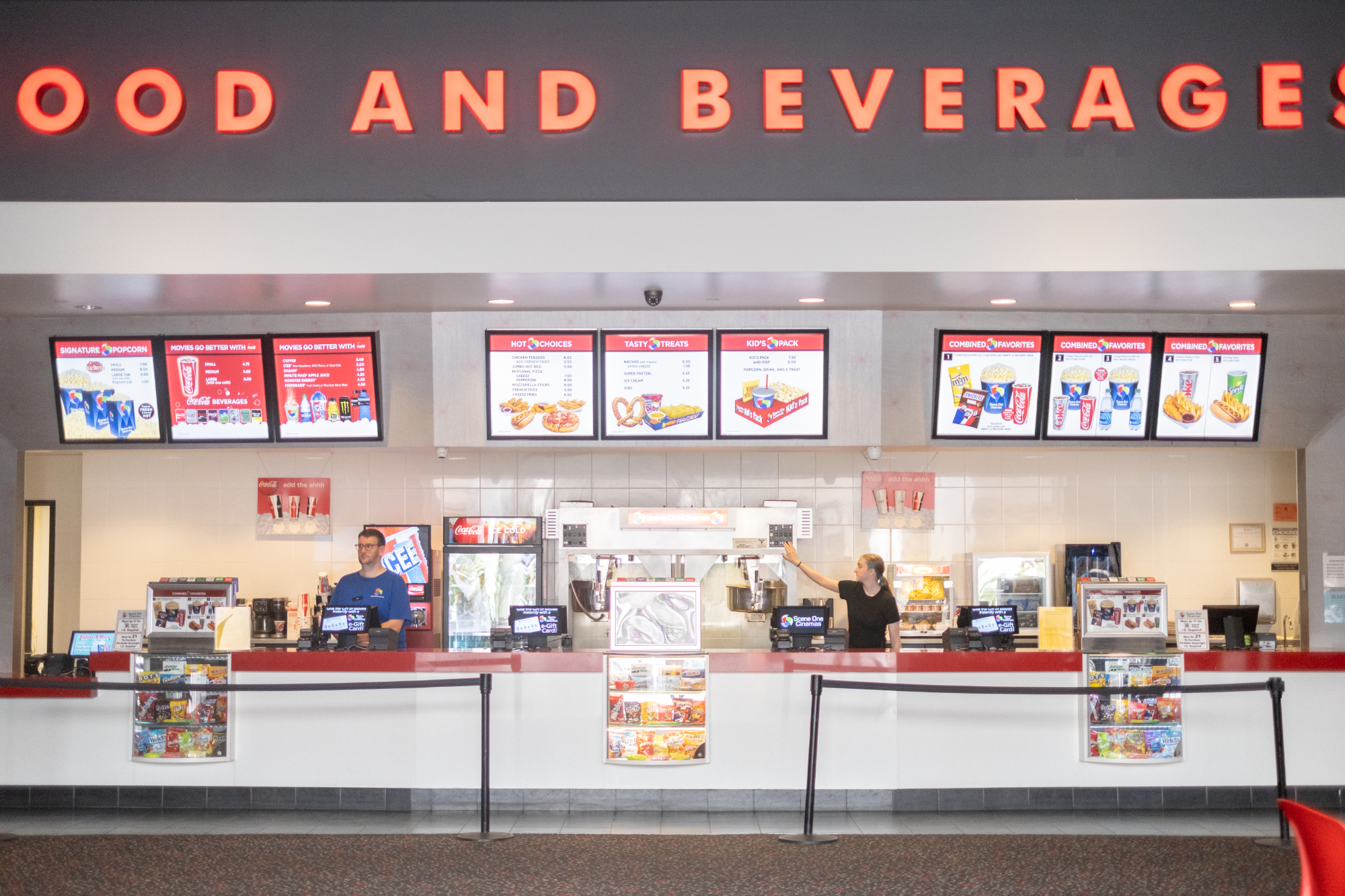
The key word there is experience; businesses that sell more than physical products seem to be succeeding in malls. Crossgates in Albany is now home to a comedy club, a Dave & Buster’s, an escape room, and a spa. At press time, Queensbury’s Aviation Mall, which sold to a Rockland County investor in September, was set to welcome an indoor go-karting track in November. Via Port Rotterdam has the Via Aquarium. Outside of the Capital Region at Ohio’s Dayton Mall, a former Sears has been transformed into a 90,000-square-foot church.
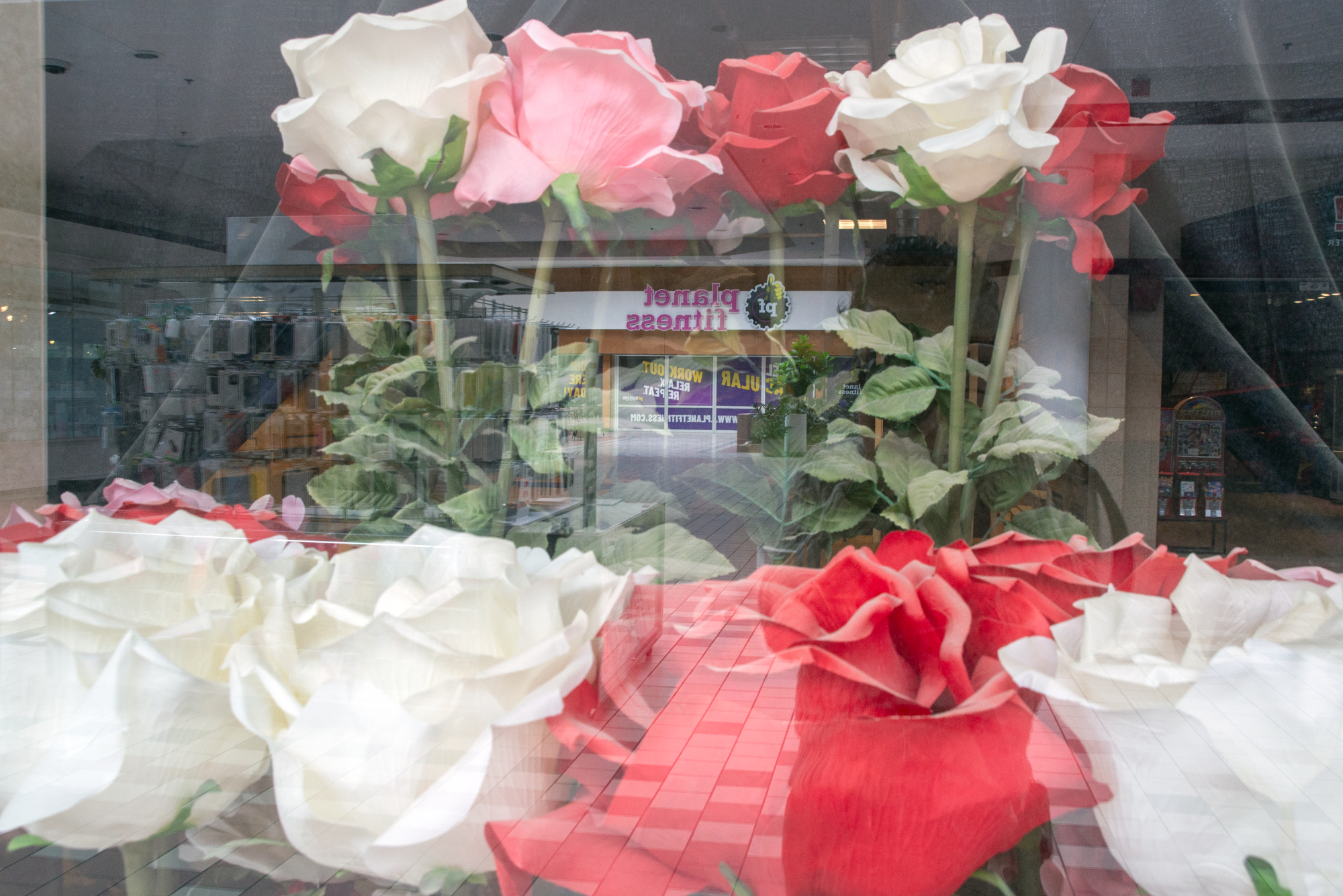
Khan’s next frontier? Wilton Mall, which, despite its convenient location and proximity to Saratoga Springs, has been what many would call a zombie mall for several years.
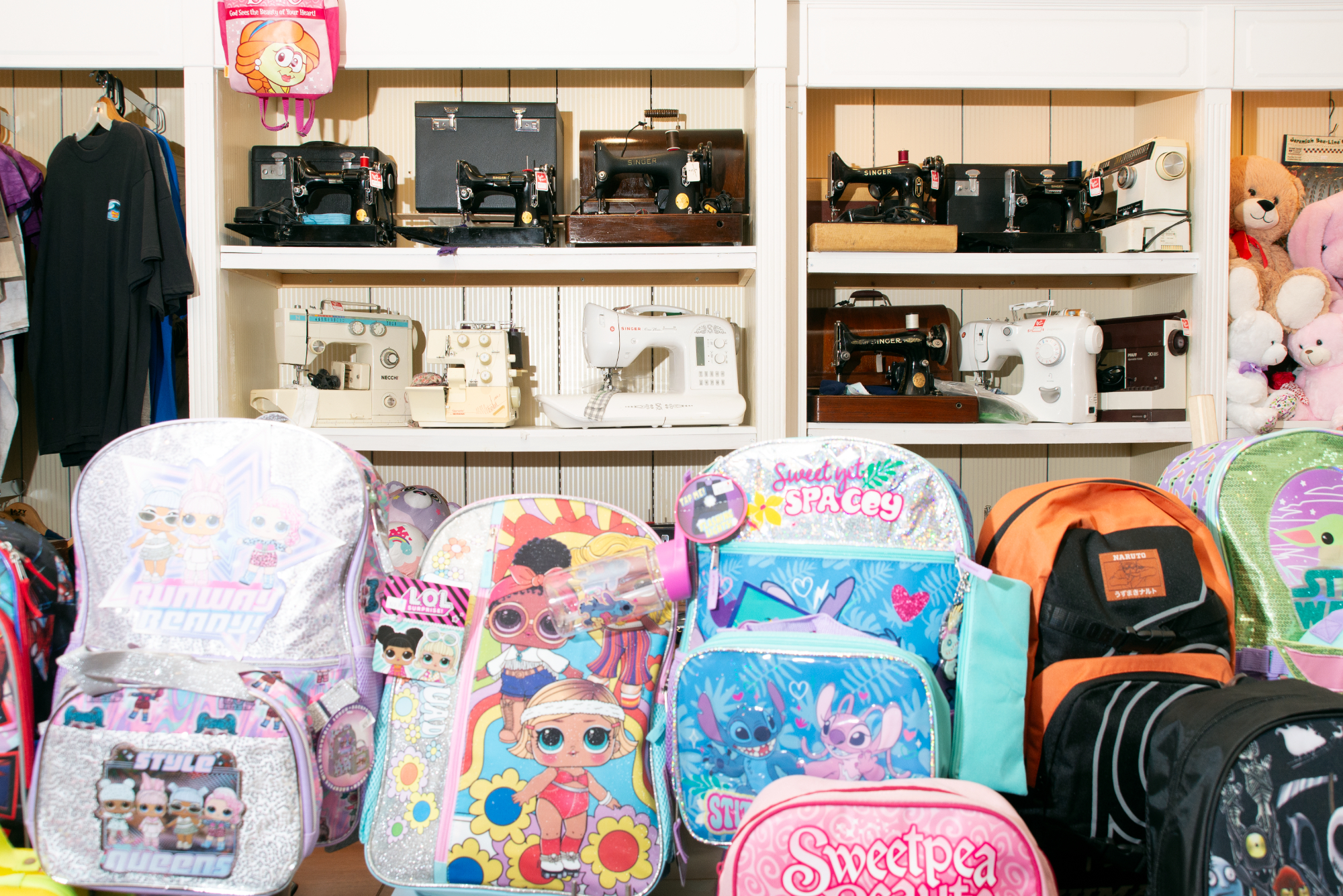
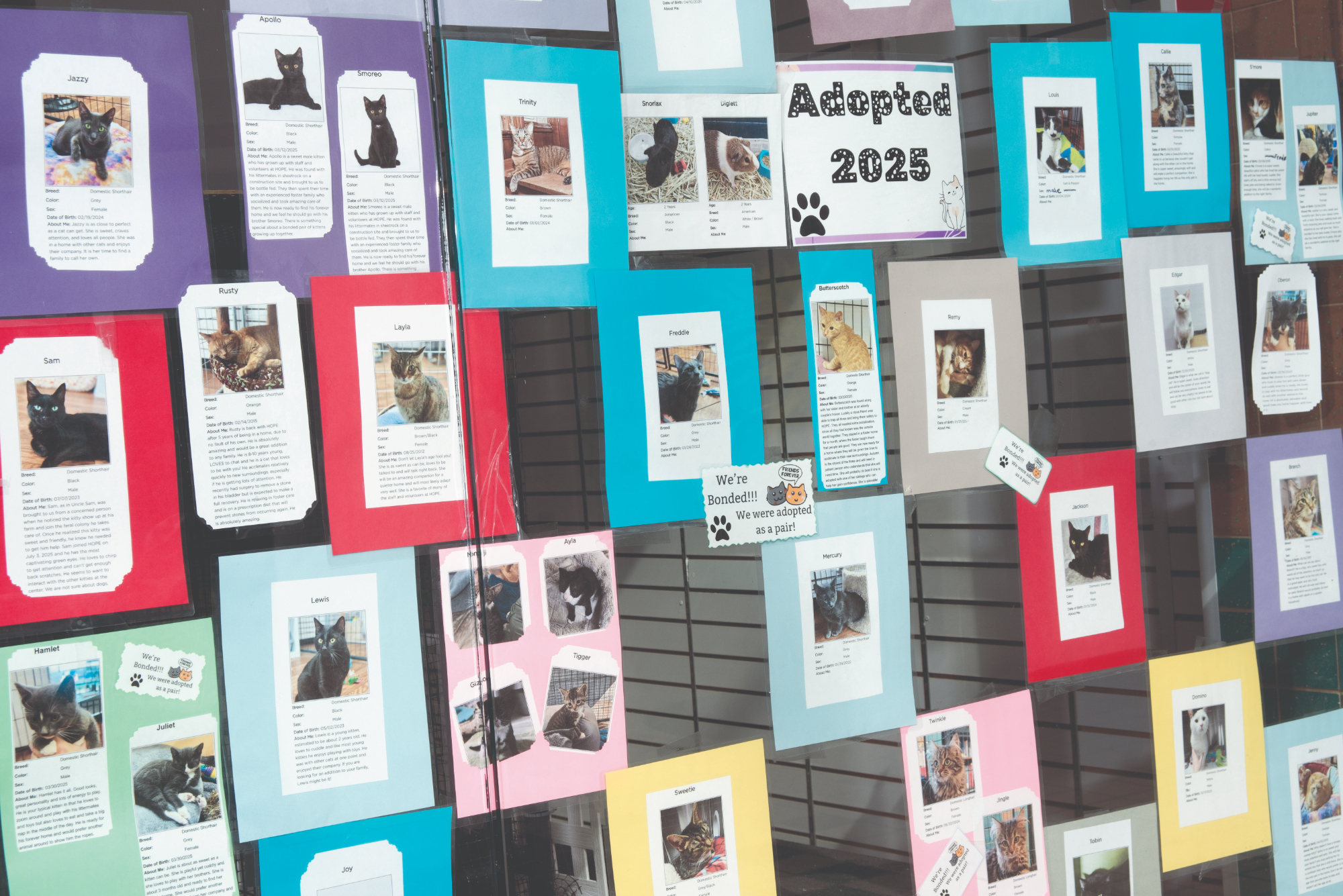
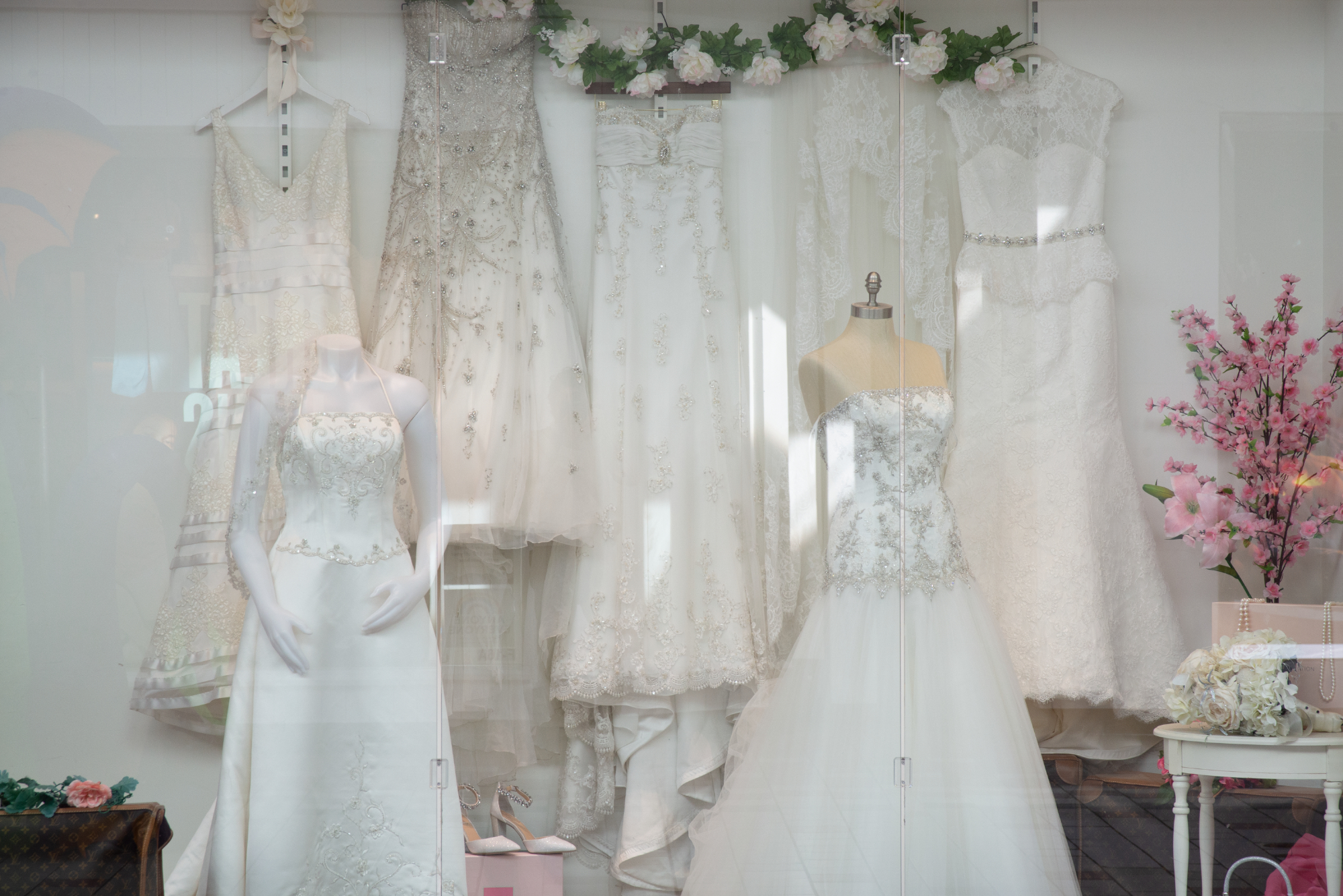
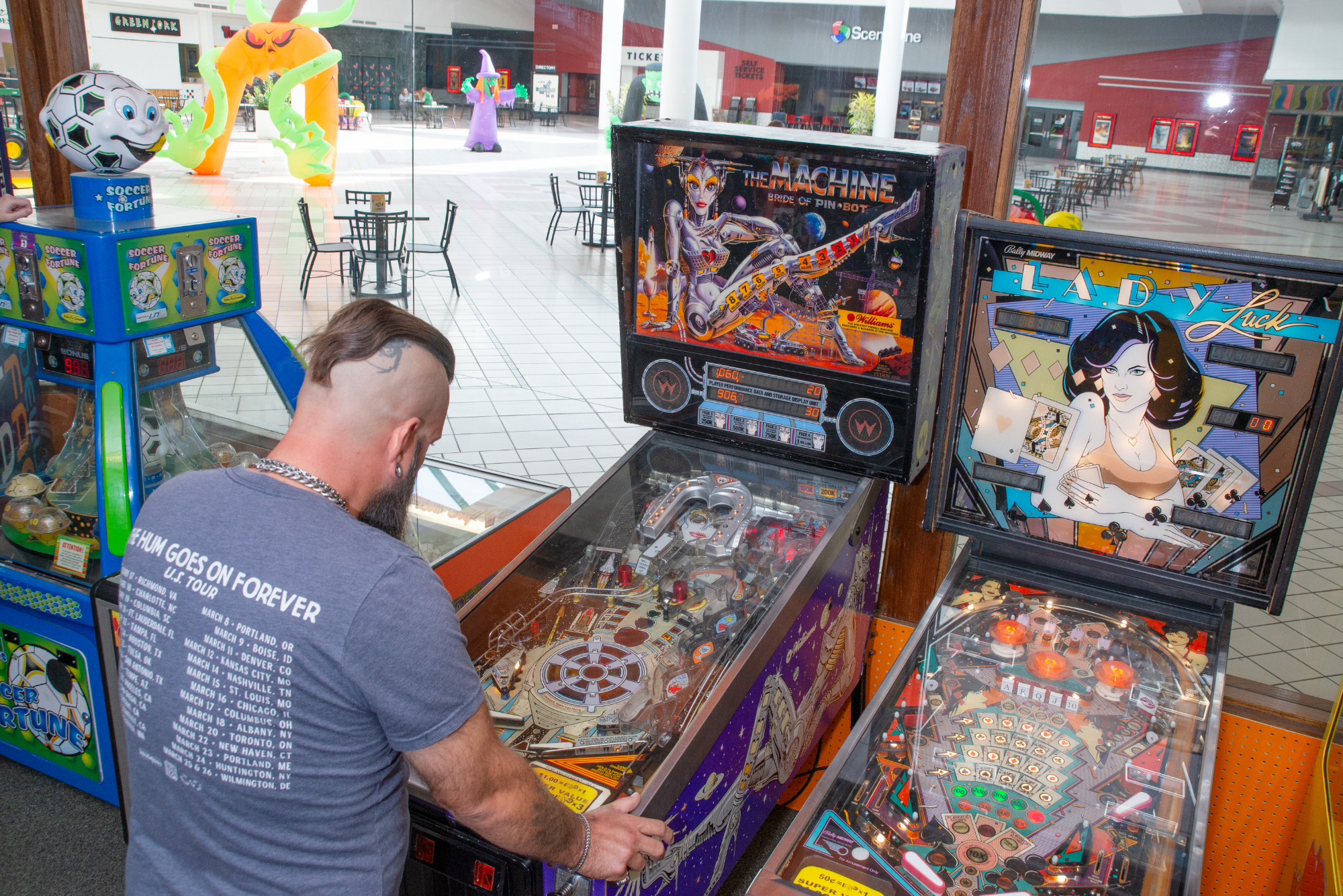
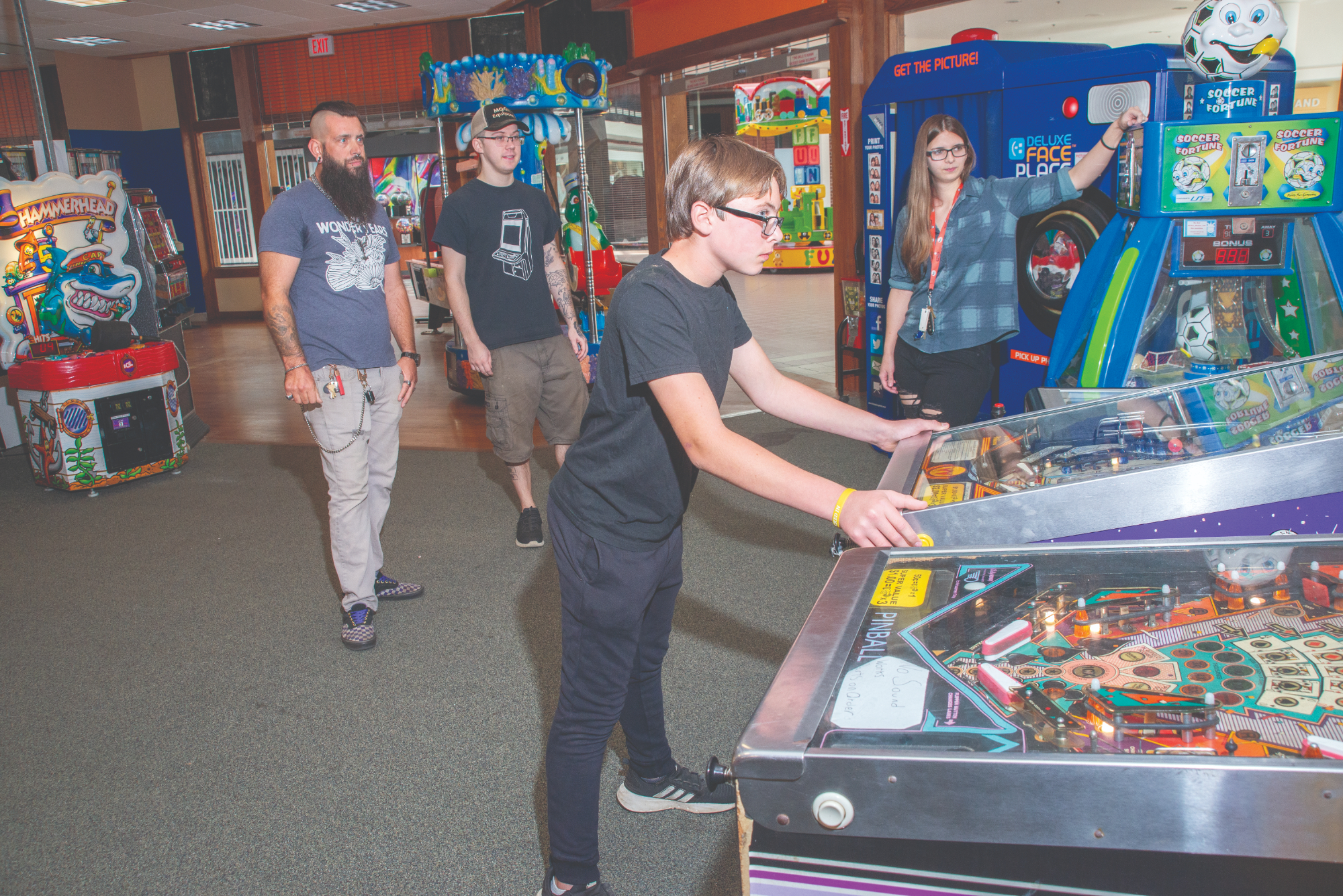
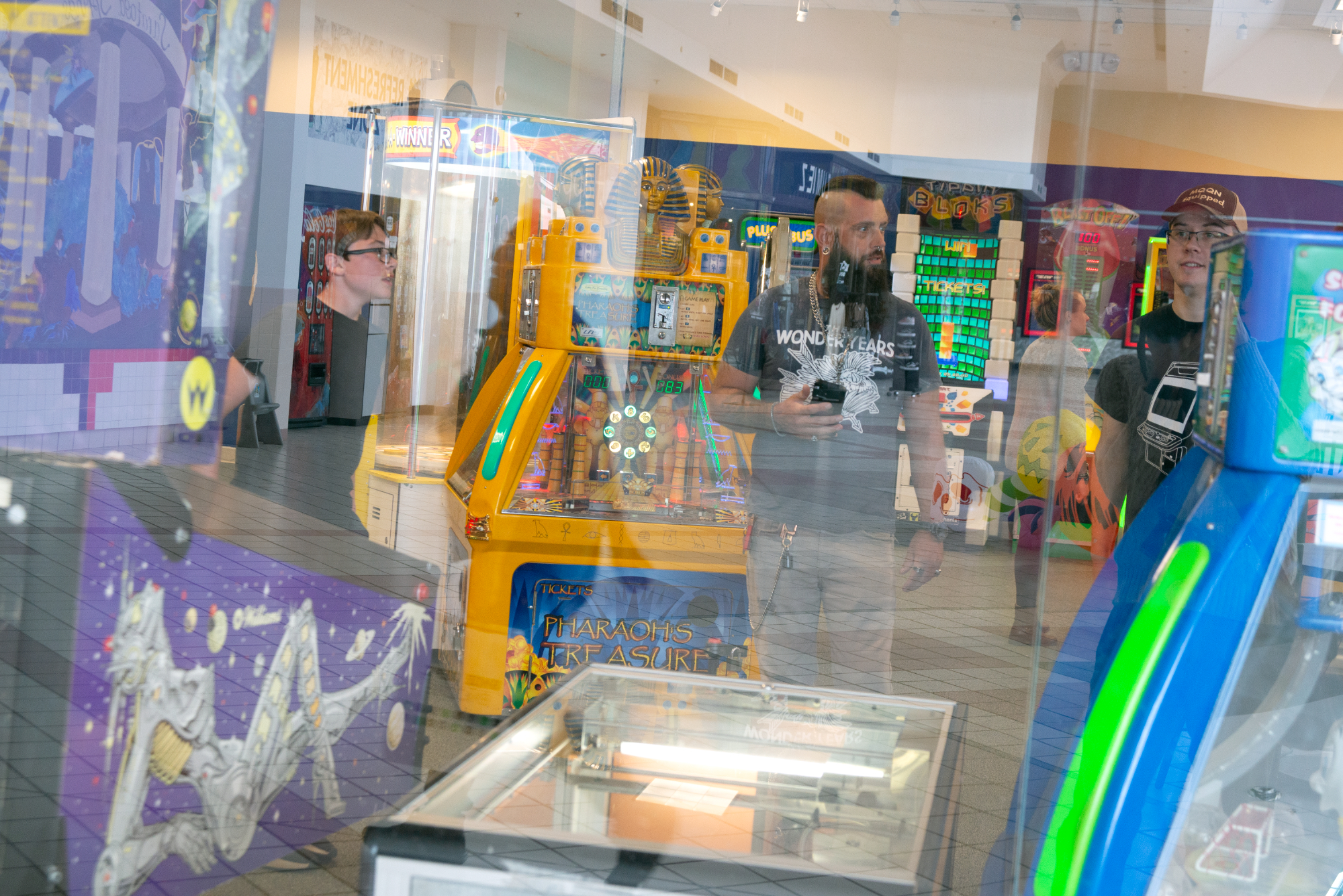
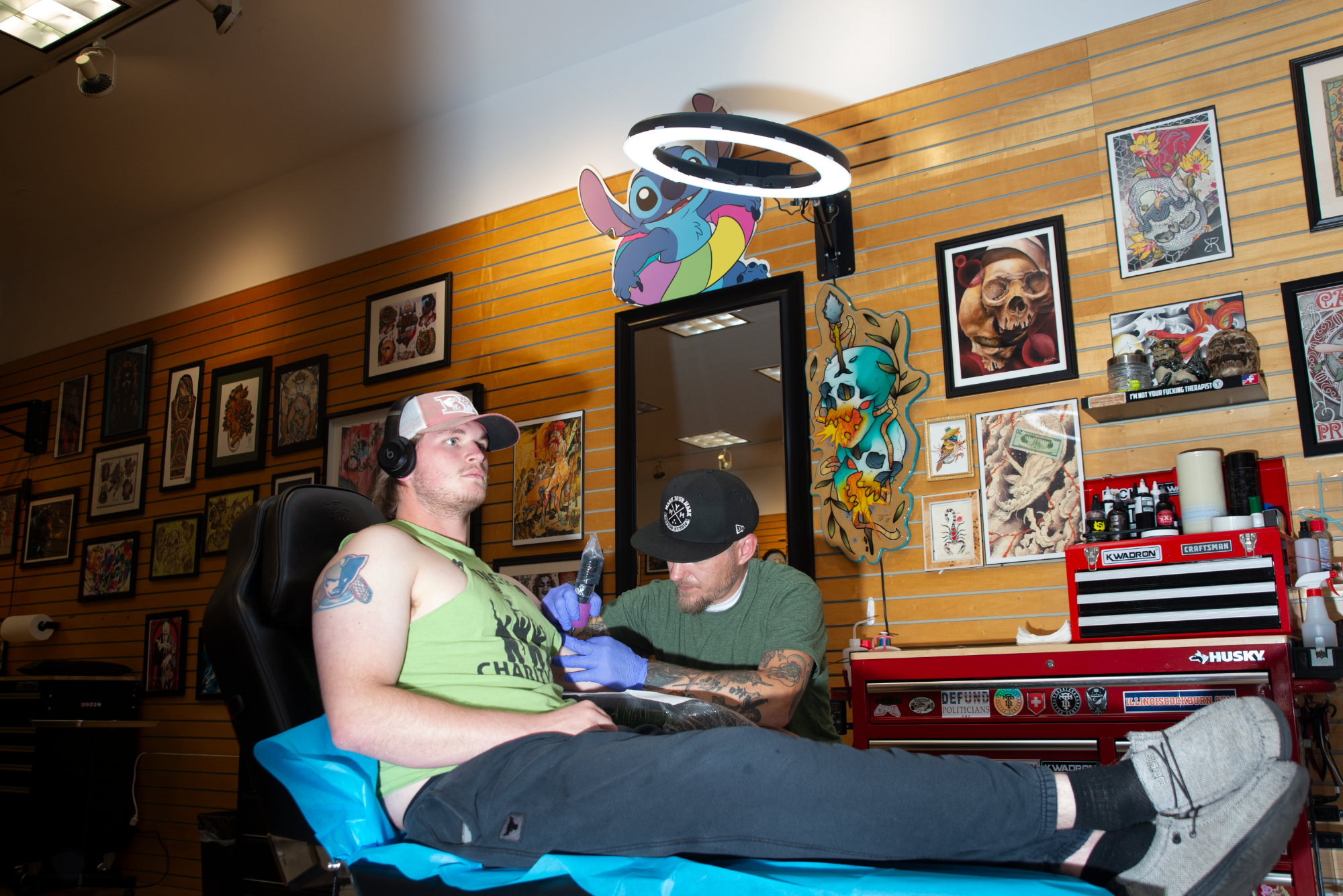
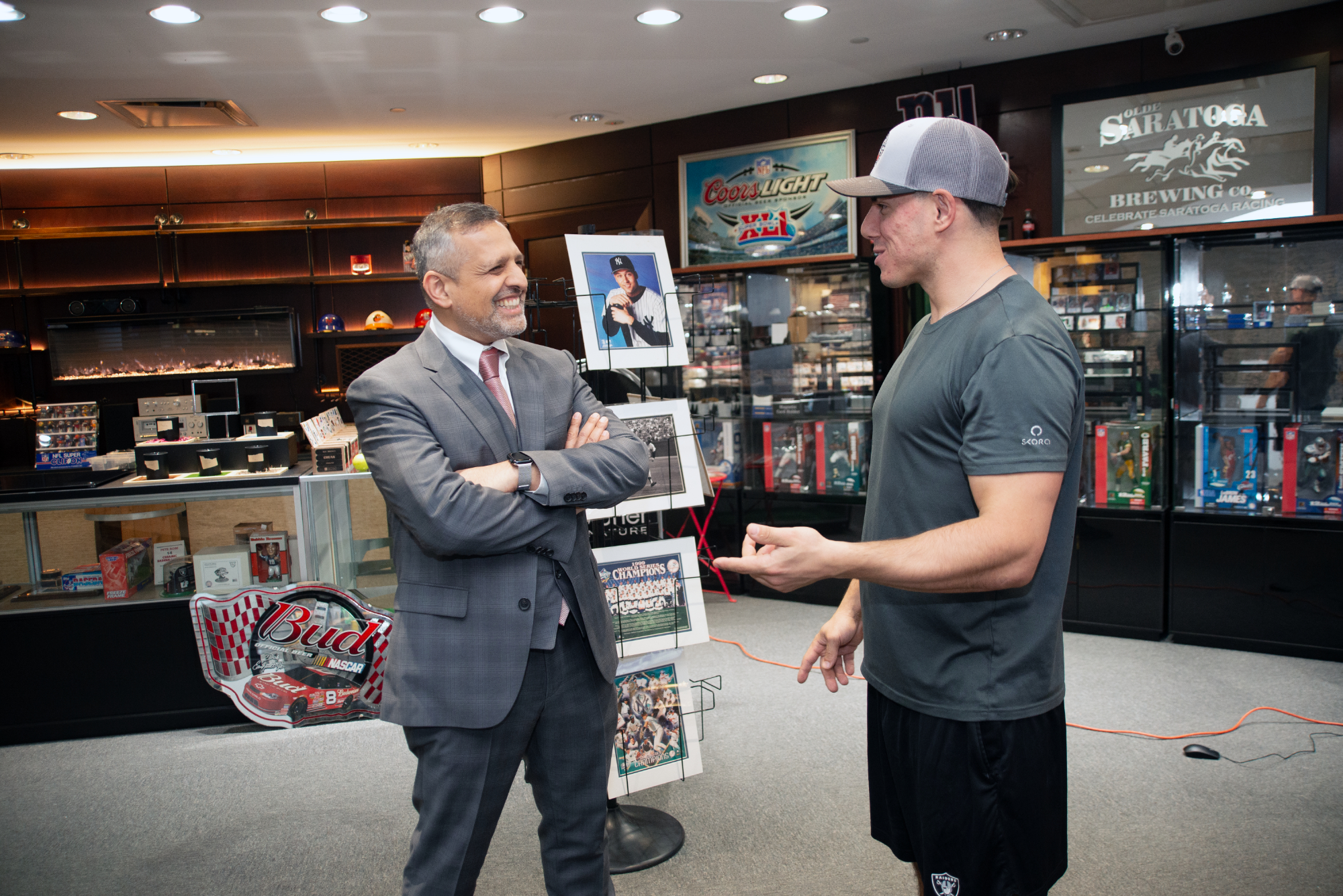
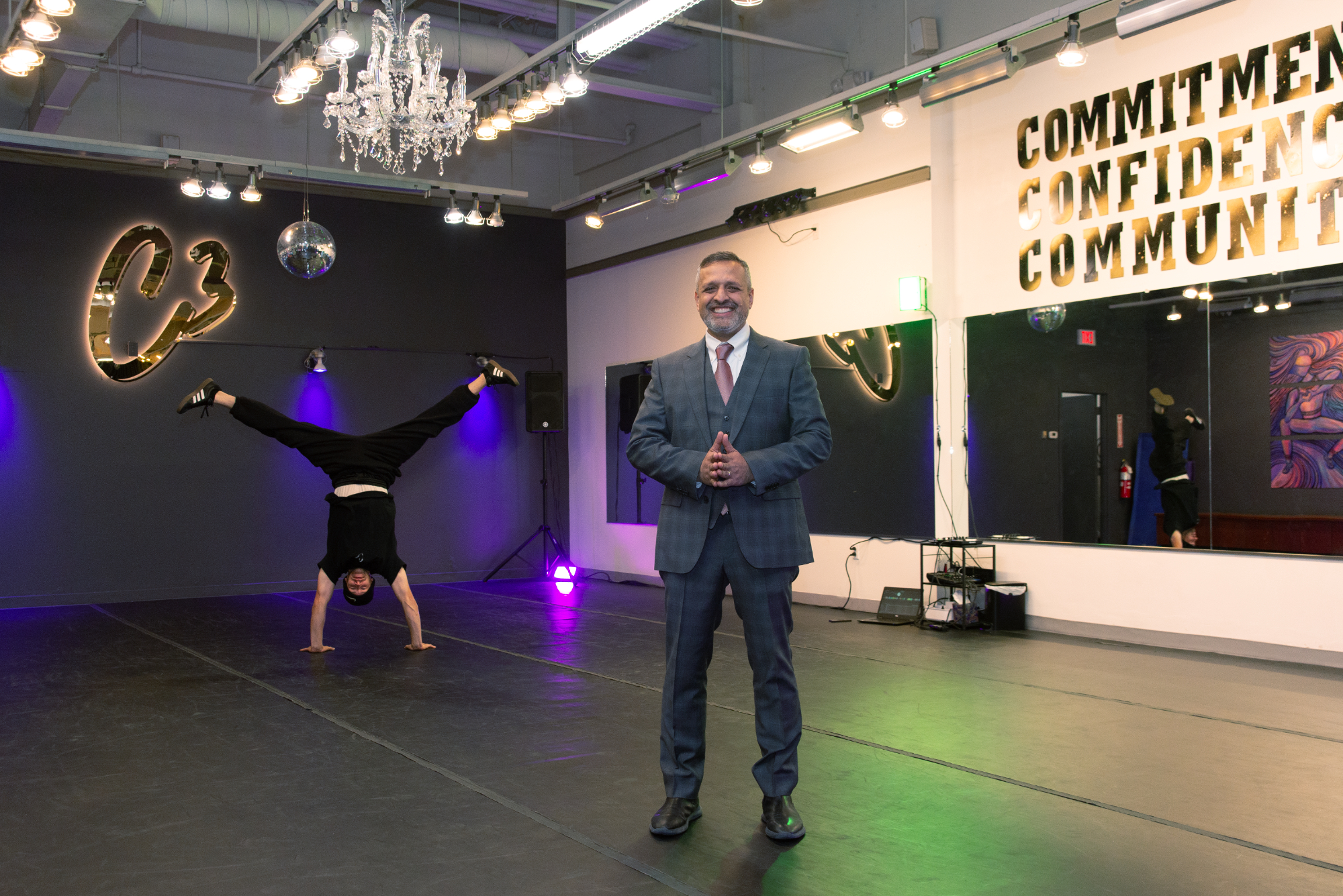
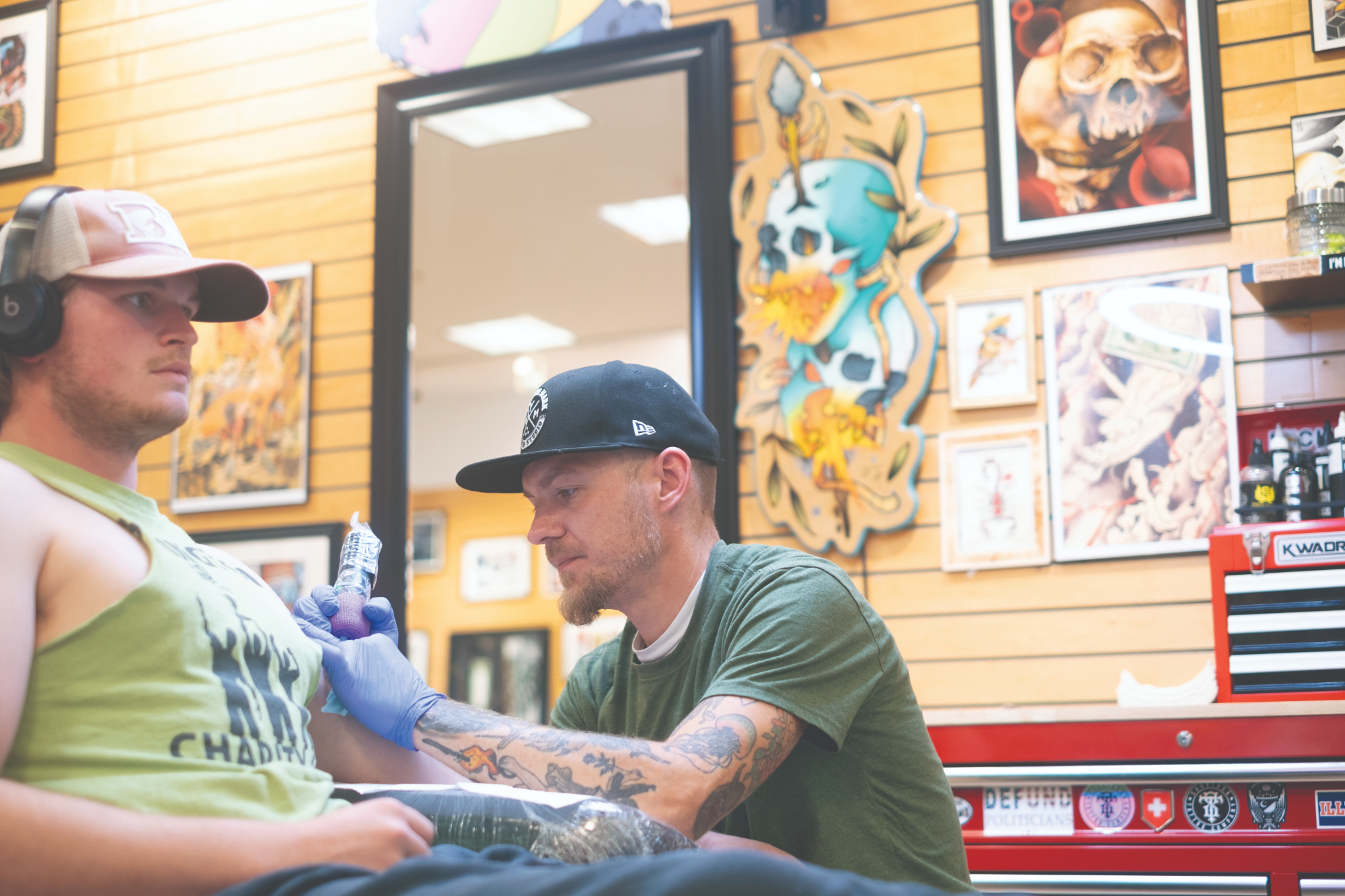
“It’s been a tale of two cities,” Khan says, referencing the fact that some tenants have done very well at Wilton, while others have been just skating by. (In recent years, many of Wilton’s traditional “mall stores” have been replaced with nontraditional tenants, such as a martial arts studio, a rabbit sanctuary, and the offices of a community theater.)
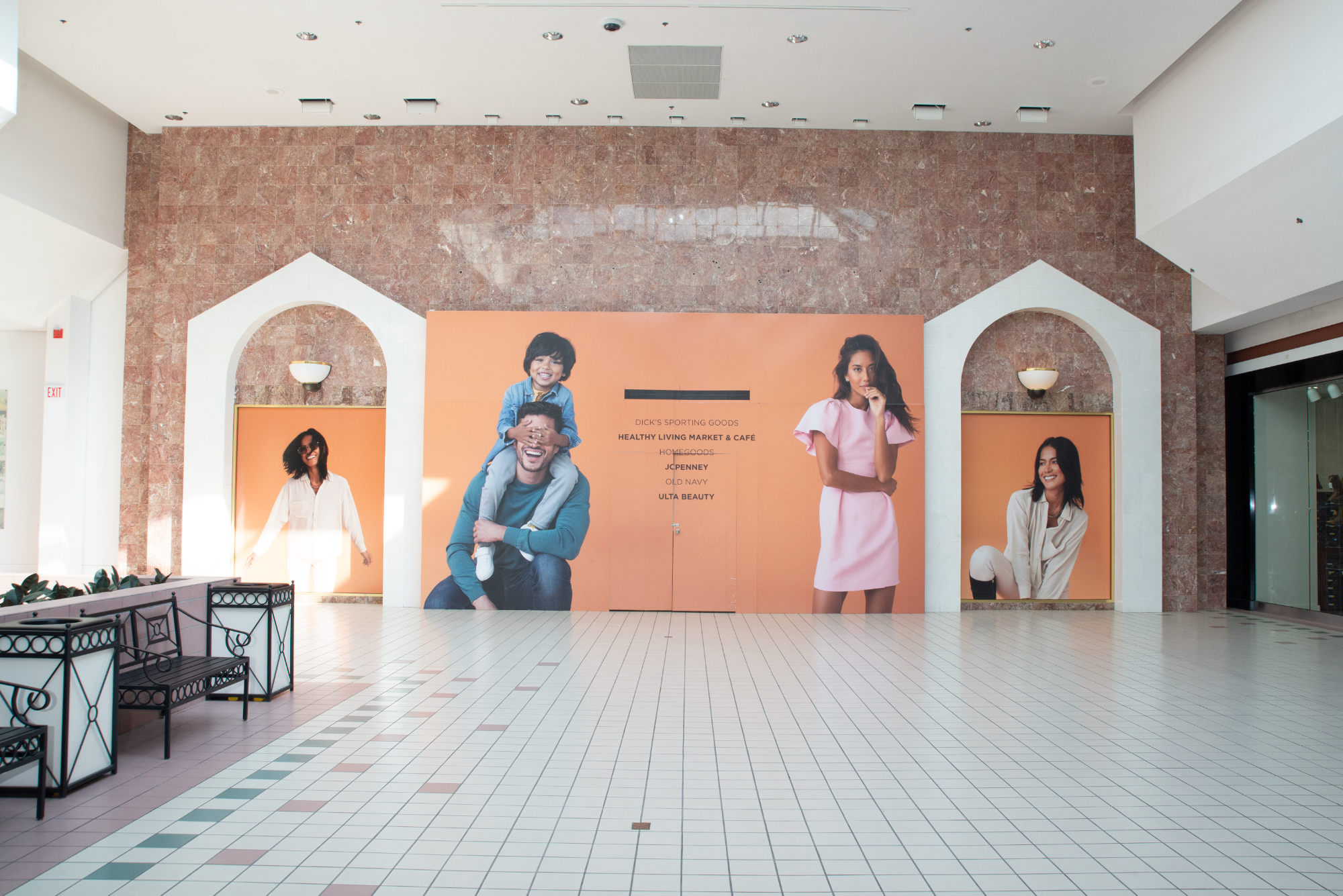
Khan’s goal for the future of the mall is to create a shopping experience that’s more upscale and that caters to the needs of high–net worth shoppers’ interests with luxury stores and outlets. He’s identifying tenants that build on the synergy of the center, as well as those current tenants that would be better served in alternative locations (and helping them find leases that will better suit them). Khan says he’s aiming to bring in 12 restaurants to create an “International Food Hall,” but won’t disclose any of the stores he plans to pursue—though he teases that shoppers will be delighted by what is to come.
Right now, the outside of the building is receiving some TLC to make it sparkle with the energy Khan seems to bring to each project he touches. He predicts it will take approximately two-and-a-half years to realize his vision, but if anyone can restore Wilton Mall to its former glory, it’s him. Because Faraz Khan isn’t just passionate about malls. He’s passionate about helping people connect with one another.
“Now, more than ever, people need that,” he says. “Maybe we will find some unity that way.”