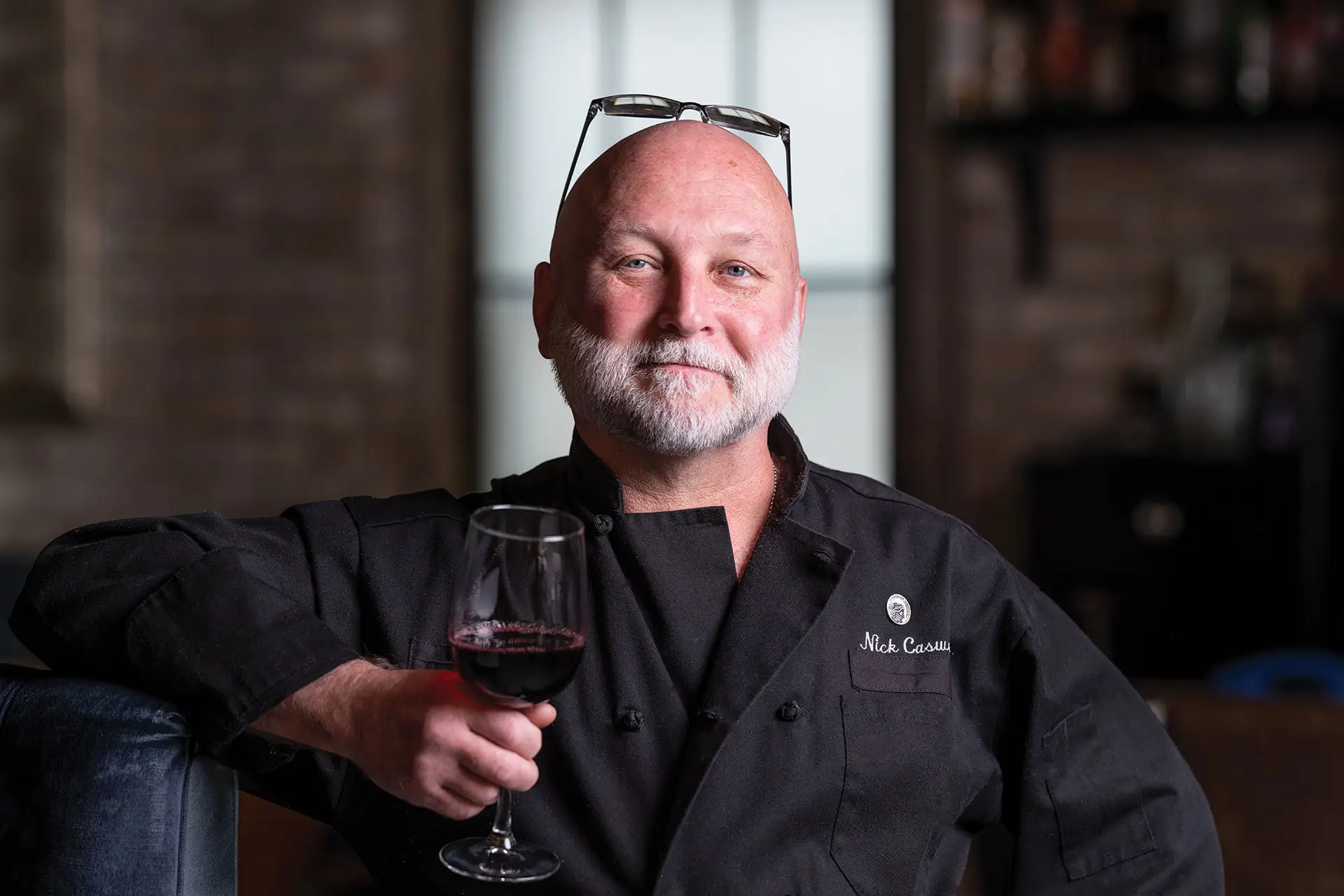
Portrait by Jess McNavich
It was 2016, and Saratoga Performing Arts Center was on cruise control. Every year, the nonprofit organization would open its eponymous amphitheater in time for graduations in May, host the annual Saratoga Jazz Festival in June, welcome the world-class New York City Ballet and Philadelphia Orchestra for their yearly residencies in July and August, rent space to Live Nation for a handful of concerts through the summer months, and close up shop before the weather turned cold again. Wait eight months, rinse and repeat.
Then, Elizabeth Sobol showed up.
A native of North Carolina, Sobol grew up with two loves: nature and music. While she says she could have just as easily become an herbal practitioner or environmentalist, she wound up landing an internship in the classical music world at a small startup. That company was acquired by IMG, and Sobol spent the rest of her career in artist management, rising to the post of managing director of IMG artists in North/South America and later becoming president and CEO of Universal Music Classics. Some four decades later, she was in Miami Beach ready to retire when she got a call about a position in Saratoga Springs. What happened next is a story she’s told countless times since.
“When I got the call from the search firm, I basically said, ‘I’m going to walk out onto the balcony here and describe my view of the ocean, and you’re going to tell me why I would ever consider moving to upstate New York,’” she says. “And those are the famous last words.”
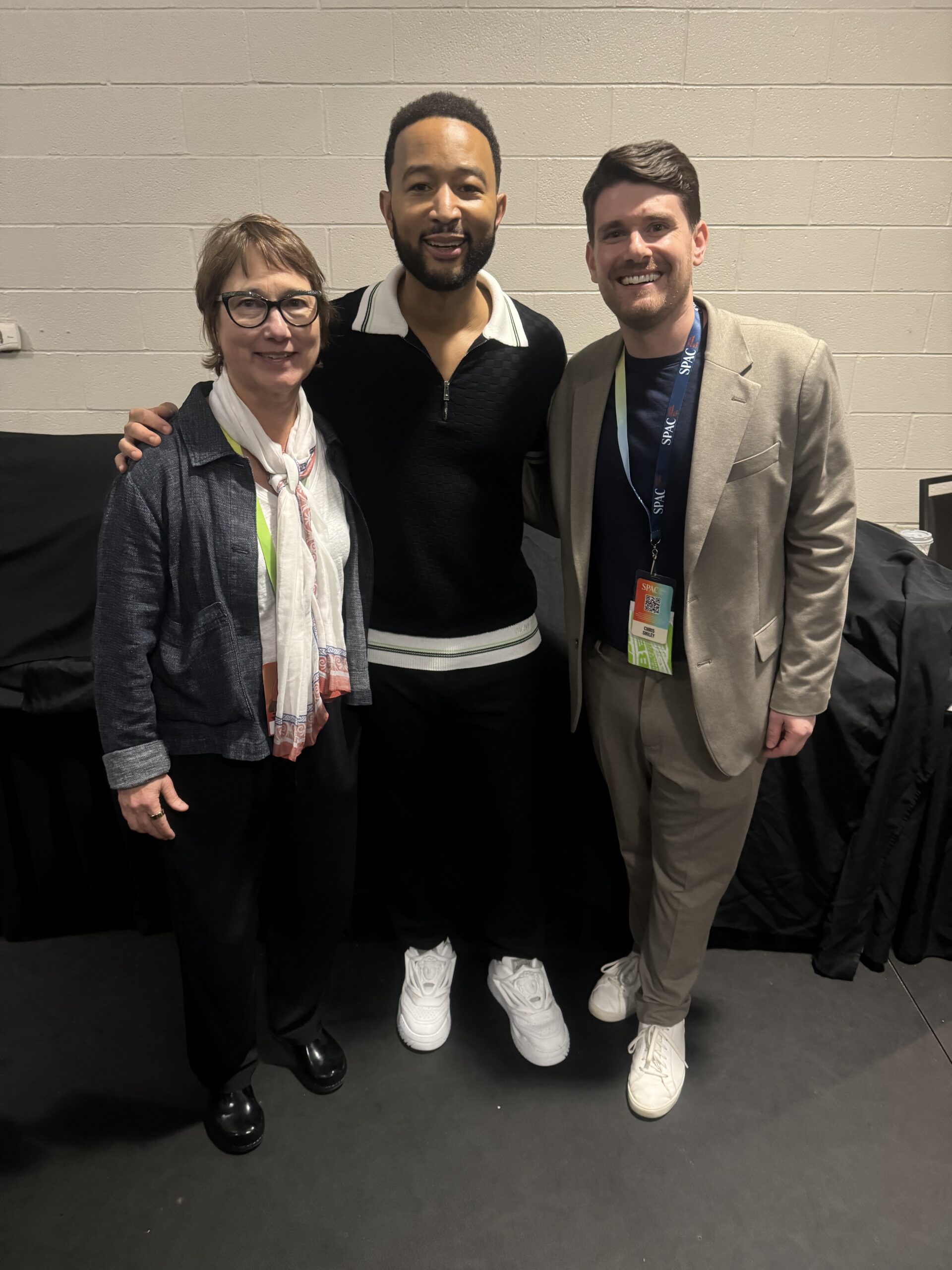
In June of 2016, Sobol came up to Saratoga for an interview and was smitten. It was the combination of beautiful Congress Park, quaint Lyrical Ballad, a wonderful meal at the now-closed Mio Posto, live music pouring out of doors on Caroline Street, Broadway’s impressive historic preservation, and, what she calls the coup de grâce: a sister location of her favorite Vermont bookstore, Northshire. “That’s when the lightning bolt came down,” she says. “It was like, you’re here for a reason.”
The next day, she met with members of the SPAC board of directors, and the feeling only intensified. She was struck by the board members’ thoughtful questions, unwavering dedication, and general kindness, as well as with the Saratoga Spa State Park, with its abundant trails and mineral-rich springs, which she saw an opportunity to reconnect with her love of nature. But perhaps most importantly, she quickly developed a vision for what SPAC could become.
“I knew in my gut that you can’t be an organization of this size in a community of this size and turn the lights on in May and off in September,” she says. “So when the board search committee asked me, ‘Is there one thing you know you would do if you took this job?’ I said, ‘This has to be a year-round organization.’”
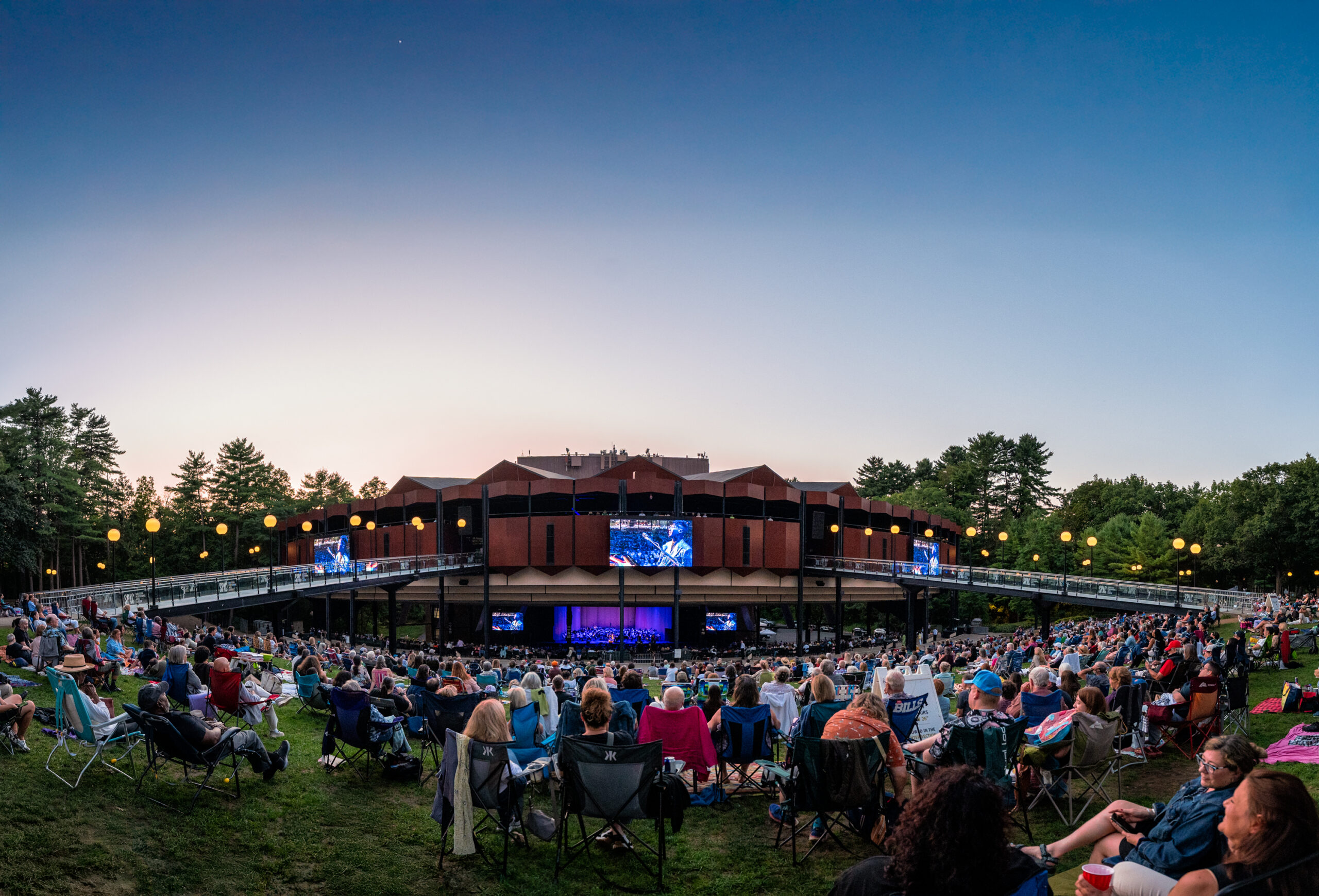
Now, 10 years later, during SPAC’s 60th anniversary season, Sobol is on the cusp of fulfilling that vision. While the programming pillars she inherited—Jazz Fest, New York City Ballet, Philadelphia Orchestra—are still in place (a fact she describes as a miracle), SPAC today looks far different than it did in 2026…starting with its physical appearance.
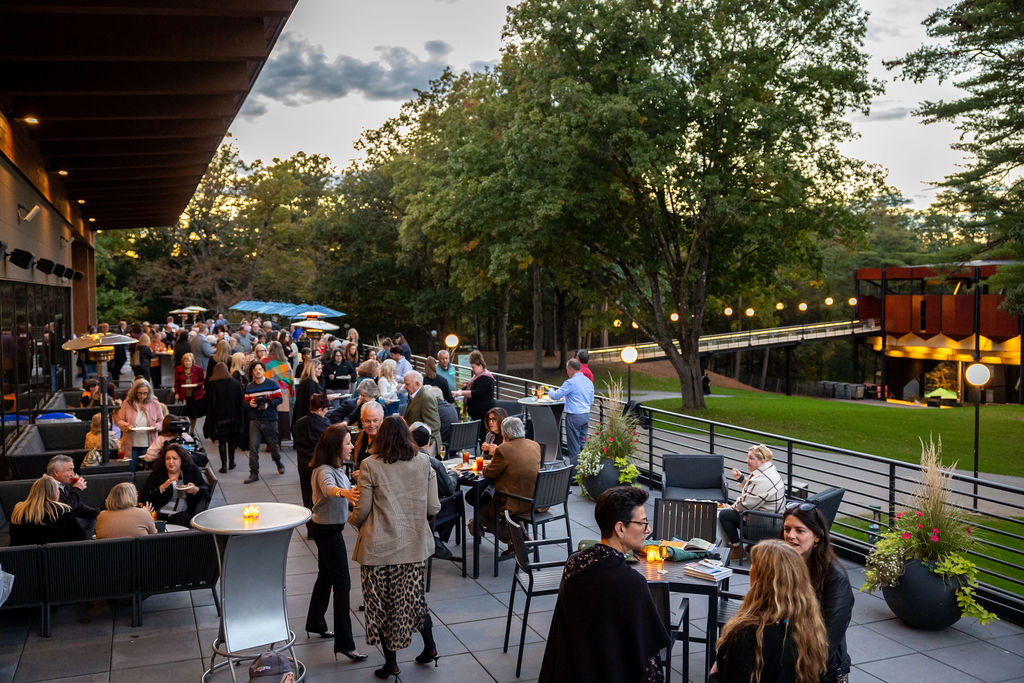
In 2020, just in time for the COVID pandemic to shut the world down, SPAC finished the construction of a brand-new campus, complete with an open-air pavilion, permanent food stalls, new bathrooms, and The Pines, a year-round facility with an event space, kitchen, and terrace overlooking the SPAC grounds. The Pines now serves as the primary venue for CulinaryArts@SPAC, a popular series of events that brings in chefs, speakers, and cookbook authors for one-of-a-kind, food-and-drink-centric programs.
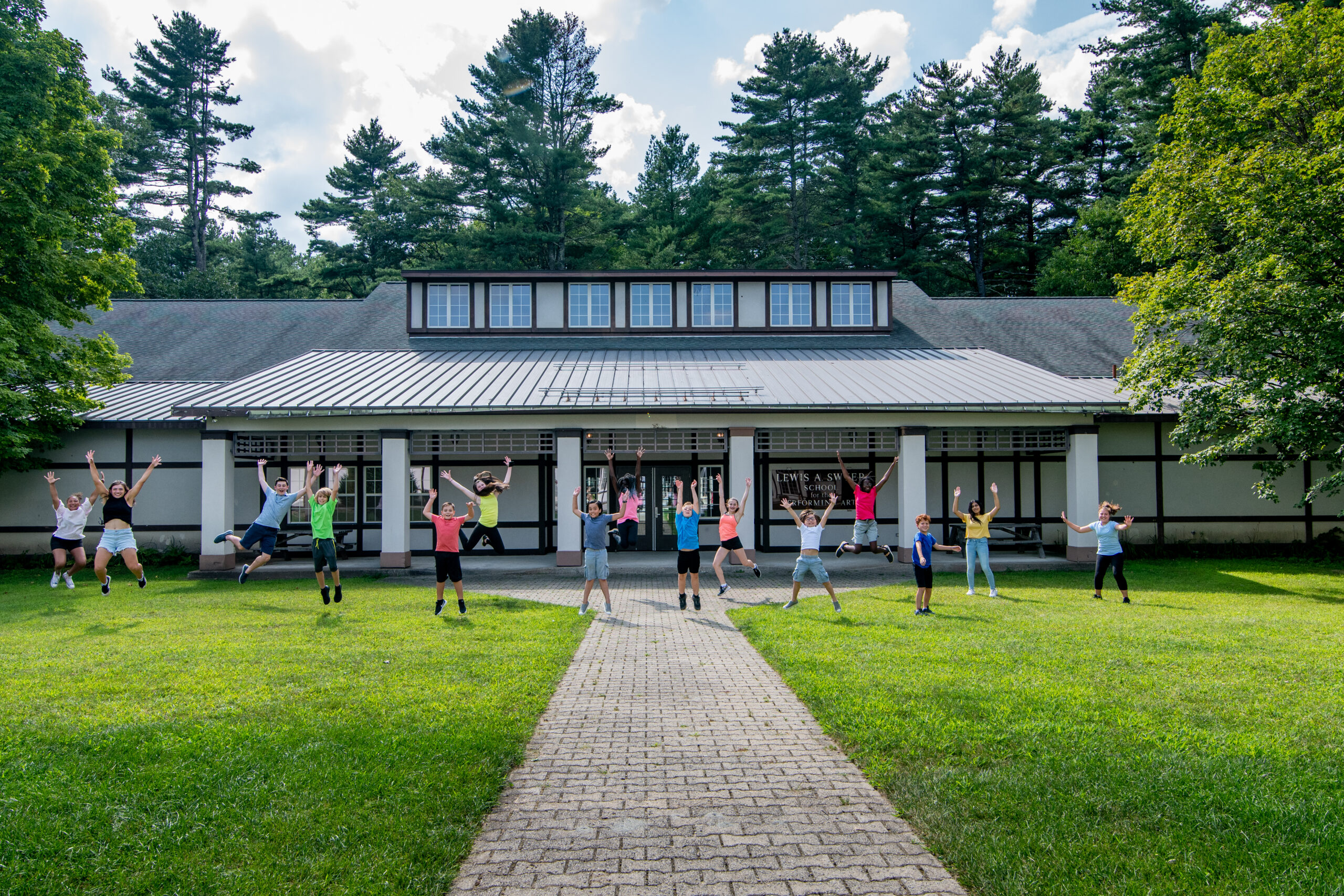
Then there’s SPAC’s educational footprint. While arts education has long been part of the organization’s mission, the last 10 years have seen the number of students reached increase from 5,000 to 60,000 annually. That’s thanks in large part to the SPAC School of the Arts, which in 2021 opened its doors in the Saratoga Spa State Park. The school now hosts music and dance programs for students of all ages and abilities.
With these expansions and initiatives, SPAC took a giant step toward making its programming available throughout the year. The only problem? The organization still didn’t have a year-round venue that could host performances of the size Sobol knew SPAC’s programming could draw. So, she looked outward.
“I happened to meet Sarah Craig literally days after I started,” she says of Caffè Lena’s longtime executive director. “We immediately connected on so many levels and cooked up a spring season that SPAC would do at Caffè Lena. That was one way we became year-round.” Another was by expanding a longstanding relationship with Skidmore College through collaborations with Arthur Zankel Music Center, The Frances Young Tang Teaching Museum and Art Gallery, the Skidmore Jazz Institute, and the Skidmore Dance Department.
But the real gamechanger came in 2022, when SPAC assumed year-round operation of the Spa Little Theater, which, located right in the Spa State Park, was originally built as a lecture hall. For the first time ever, SPAC had a place of its own to present shows in the spring, fall, and winter, and quickly got to work making use of the space for programs; since 2022, the Spa Little Theater has hosted year-round programming including the Chamber Music Society of Lincoln Center, SPAC’s new McCormack Jazz Series, a theatrical production of Pride and Prejudice, a “Sounds of the Season” holiday series, and performances of ballet, global music, and opera. But the theater, which hadn’t been updated since its construction in 1935, needed renovations for its operator to fully make use of the space.
And so, last spring, SPAC launched a Four Seasons capital campaign to raise $17.5 million, which would cover the revitalization of the Spa Little Theater. The project, which broke ground in December, will include improved seating, increased ADA seating, a new stage floor, and a new HVAC system, as well as new dressing rooms, a multipurpose community room, an outdoor patio, accessible restrooms, an artist suite, and a bar/café. It’s expected to be completed before the end of SPAC’s 60th anniversary year.
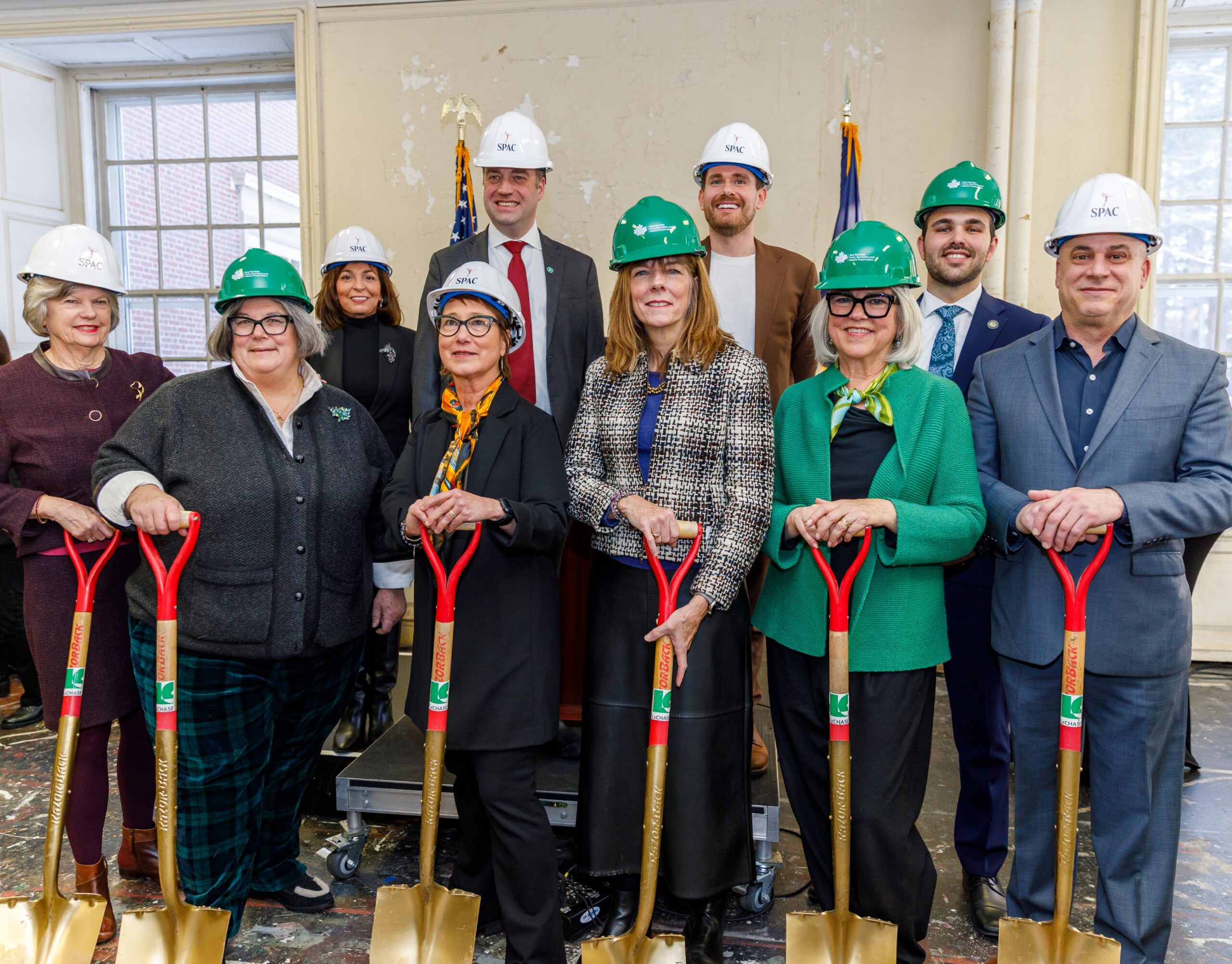
“Renovating the Spa Little Theater so that it can properly function as a theater and as a community gathering space—that’s really, really huge,” Sobol says. “It’s like a capstone to 10 years of work. And on the other hand, it’s also just the beginning of what can happen now that we have that full-time venue.”
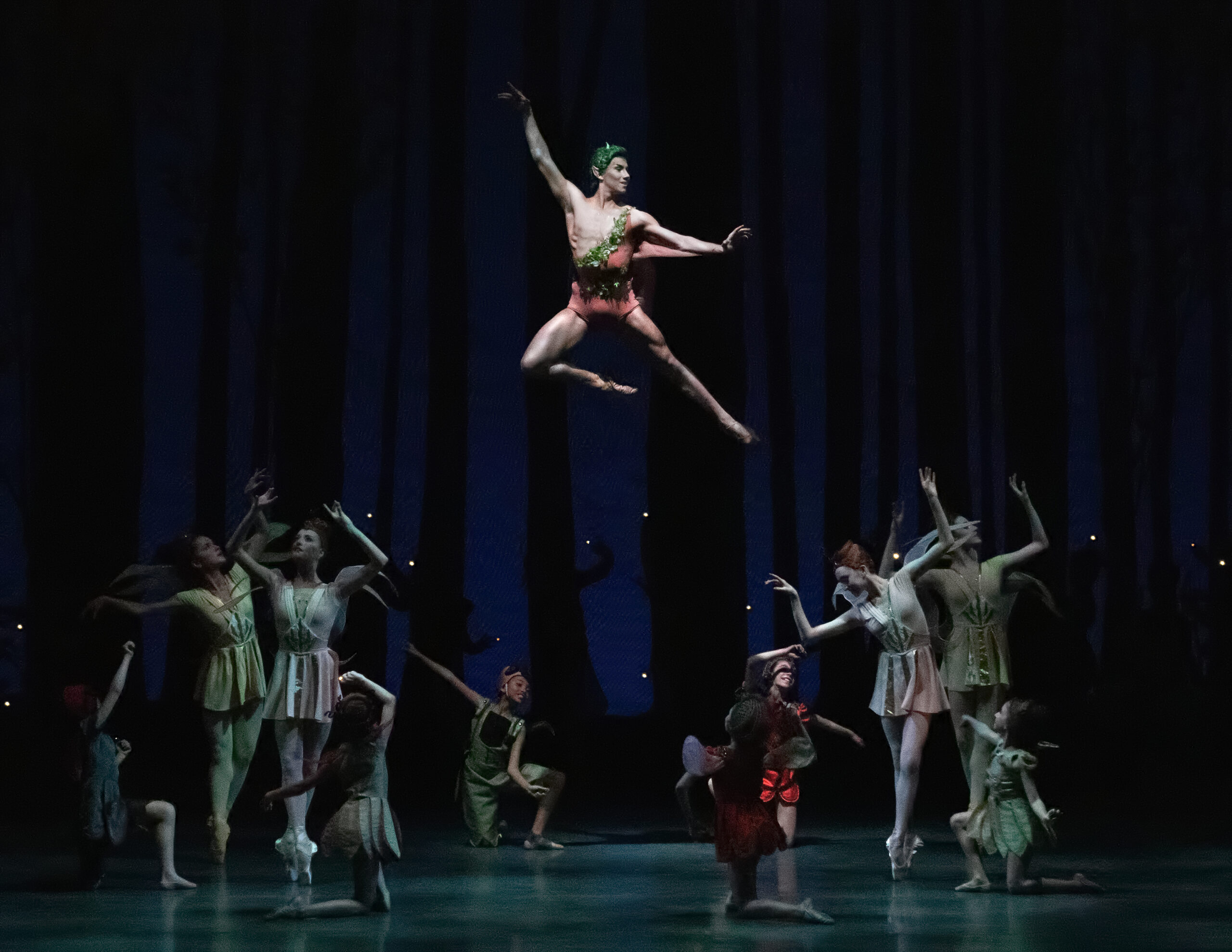
Ever since her second year at SPAC, Sobol has given each season a theme. It started out with the Out of This World Festival in 2018, which explored the nexus of art and cosmos. Then came Water, examined through the lens of art, ecology, and science. Post-pandemic, the themes included Metamorphosis, Interdependence, and Wonder.
“These words come up organically,” Sobol says. “There tends to be a zeitgeist here—it just happens. People tend to be aligned on things without it being planned.”
This year, the theme is Seasons—fitting, given the name of the Four Seasons capital campaign as well as contemporary Philadelphia ballet company BalletX’s new work, The Four Seasons Reimagined, which it will perform on the SPAC stage on June 11. But Sobol says her interpretation of the theme isn’t quite so literal. Rather, she’s thinking of Seasons in terms of an ever-evolving state of being—an apt metaphor, she says, for SPAC.
“Every season is the same, and it’s also completely different,” she says. “We’ve had a lot of conversations around transformation, evolution, and how they fit together. Transformation is something that happened to the campus. But when you talk about the 10-year arc, that’s evolution. Seasons has to do with organic cycles and evolution within those cycles. Things evolve, but they’re also ever the same.” Case in point: This summer, both the New York City Ballet and Philadelphia Orchestra will present the pieces that opened their inaugural Saratoga residencies in 1996, fitting tributes to the decades of memories shared by so many Saratogians. And boy, do Saratogians have memories.
“When I first got here, everybody wanted to tell me their story,” Sobol says. “It was pure magic to hear everybody talk about their connection to the venue: the music they heard here, their favorite concert ever, the fact that their grandchild took their first steps on the lawn, or that their son and his wife got engaged in the amphitheater.”
It was crucial to Sobol that those audiences—the families that have been coming to SPAC for generations—continue to think of the venue as home. Though everything else in the world may have changed, they can still come out every summer to watch the same world-class companies perform under the same setting sun.
It’s easy to see the ways in which Sobol’s 10 years of guidance have influenced both Saratoga’s premier arts organization and the city in which it operates. (And the evidence of impact isn’t just anecdotal—a 2023 study by Camoin Associates found that SPAC generates an estimated $105 million in annual economic impact, a number that is likely even larger today.) But the influence goes both ways.
“I can talk all day about how SPAC has changed,” Sobol says. “But in the wee hours of the night, what I’m really remembering is how much Saratoga and SPAC have changed me. I’m not the same person I was when I came here, and that’s largely a result of being in a community where people care about each other, about the health of the city, about the region.”
Now, Sobol says, she thinks about things like moral responsibility: How can SPAC partner with human services organizations to make arts and arts education barrier-free? What can SPAC be doing to help the business community, or to help recruit top talent to this area? What responsibility does an arts organization have to the community during an international pandemic?
“I’m trying to remember how many times, if ever, the term ‘moral responsibility’ came up at IMG,” Sobol says. “It certainly never came up when I was at Universal. But when the people who are giving SPAC money to survive are your neighbors, your grocers, your shop owners…that sense of moral responsibility becomes a natural part of how you operate in the world.”
Add in the fact that, for Sobol, SPAC felt like a homecoming—a place where she could finally marry her love of music with her love of nature—and she was forever changed.
“At a certain point, I noticed myself habitually thinking in a different way than I did when I was in New York City,” she says. “I commented to someone that, jeez, I never would’ve thought that before—there must be something in the water here. And then I’m like, oh, yeah, there actually is.”
SPAC at 60: A Timeline
1966
Saratoga Performing Arts Center is dedicated by New York Governor Nelson Rockefeller in June. Later that summer it welcomes the New York City Ballet and Philadelphia Orchestra for the first time.
1967
Harry Belafonte headlines SPAC’s first special event concert.
1978
The first Newport Jazz Festival at Saratoga (now the Saratoga Jazz Festival) takes place.
1985
Grateful Dead sets the SPAC attendance record of 40,231.
2014
Chamber Music Society of Lincoln Center becomes a new resident company at SPAC.
2016
SPAC celebrates its 50th anniversary and names Elizabeth Sobol CEO.
2017
The Charles R. Wood Discover Stage is completed, becoming SPAC’s second stage.
2020
SPAC’s campus is transformed and modernized, and new initiatives in the culinary, literary, visual and healing arts are launched using the new facilities.
2021
The SPAC School of the Arts opens.
2022
SPAC takes over administration of the Spa Little Theater, expanding the organization’s programming through the year.
2023
SPAC hosts its inaugural Summer SPACtacular fundraiser.
2025
SPAC launches its Four Seasons capital campaign to renovate the Spa Little Theater.
2026
SPAC will unveil the transformed Spa Little Theater.