If your Instagram algorithm is anything like mine, you may have come across this text post on your For You page: “Three years ago,” it reads, “you could go days or even weeks without hearing about protein.” The implication? These days, the American obsession with protein is inescapable.
Our current protein craze may in fact be best observed on social media, where wellness influencers tout the benefits of high-protein diets alongside certified medical professionals who claim that the federal recommendation (.36 grams of protein per pound of body weight) is insufficient. But protein mania has quickly begun to seep from the digital world into real life: Grocery stores are filled with all sorts of protein-filled products, from powders and bars to Khloé Kardashian’s viral Khloud popcorn that’s packed with “seven grams of protein per serving from ingredients you can pronounce.”
At Bowled—a Schenectady-born fast-casual food franchise that now has more than a dozen locations across the Capital Region, South Carolina, and Florida—co-owner Roberto Sgueglia has seen the demand for protein-packed dishes first-hand. “A lot of customers do double the protein,” he says of Bowled’s salads, grain bowls, and wraps, “or they’ll add protein to an acai-based smoothie.”
How did we get here? Is the craze warranted? Do Americans really need to be consuming more protein?
First, a disclosure: I haven’t eaten meat in more than four years, I don’t track my protein intake, and I feel healthier than I ever did before going on a plant-based diet. So when I first started hearing that people were concerned about how much protein they were eating, I was skeptical.
I fell into the camp that believes that while protein can surely help you grow muscle, America, per usual, has taken things a little too far. Our current obsession with protein seems eerily similar to the low-fat frenzy of the 1990s, or the low-carb craze of the 2000s, both of which were driven in large part by clever marketing schemes similar to the ones we’re seeing play out today.
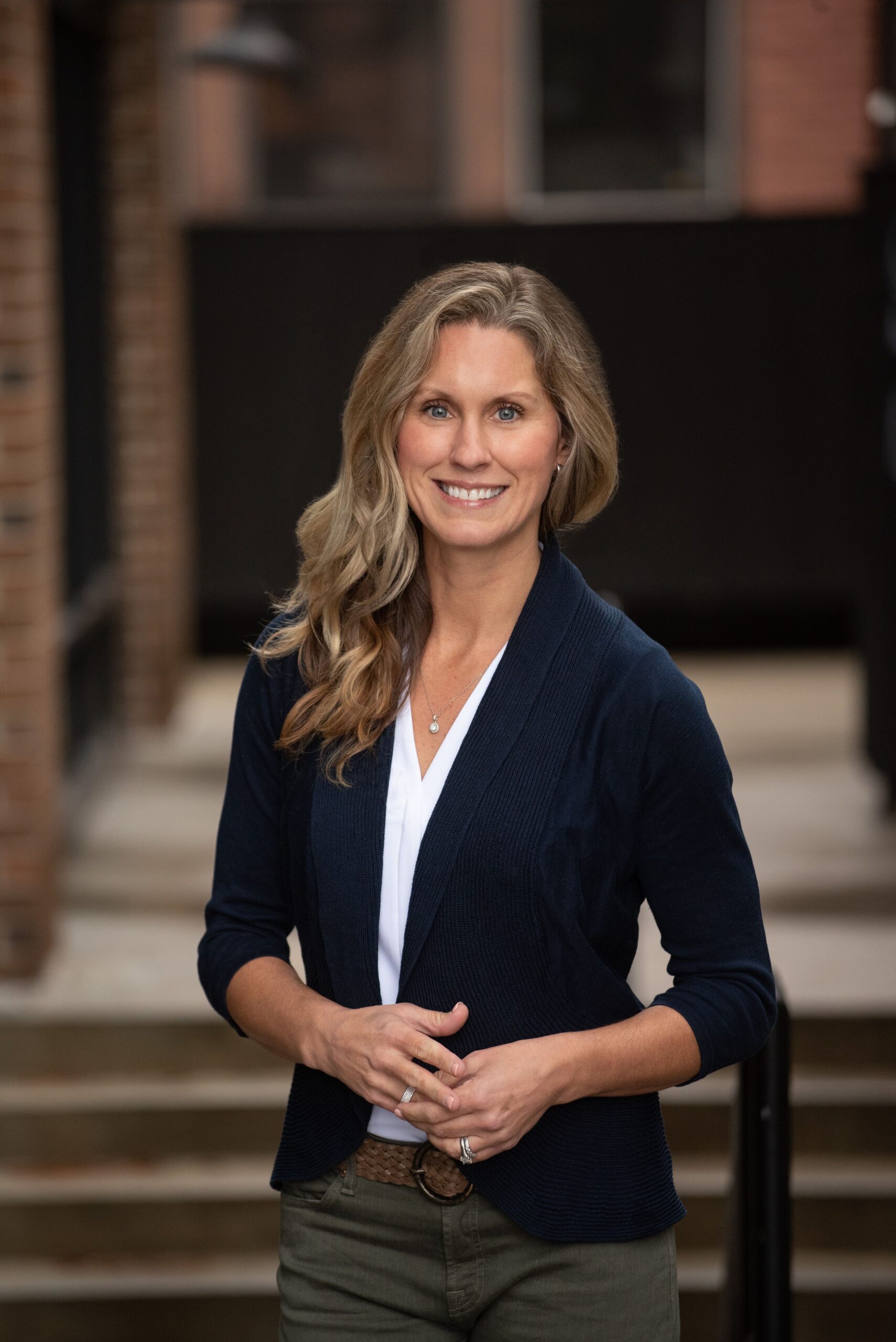
“Back in the ’90s, we were buying all the fat-free packaged, processed foods,” says Lindsay Ferrara, a registered dietician who owns Pinnacle Nutrition in Saratoga. “Now you go to the grocery store and it’s all the packaged, processed protein foods. They even have a high-protein Snickers bar. Everyone wants to cash in.”
One main difference between the restrictive diets of yesteryear and the protein-packed meal plans of today? The terminology. When you focus on restricting fats and carbs, you call it a diet. When you focus on adding protein (and in the process probably also eating fewer fats and carbs), you call it counting macros. This shift in terminology makes sense, especially coming after the social media–led body-positivity movement, which has discouraged people from talking about and participating in diets. In other words, now you can go on a diet without having to call it a diet.
“We’re moving away from body positivity and into a muscle-centric perspective,” Ferrara says. “I was just reading an article about how the rate of eating disorders in young men is exploding. These superheroes that are being produced for toys”—and cast in Hollywood film franchises—”have bigger muscles than they ever have. And it’s putting so much pressure on these boys.” Add in a daily barrage of chiseled social media influencers whose entire job it is to stay fit, and it’s no wonder that men (and women) are looking for the silver bullet to a rockin’ bod.
And of course, you can’t ignore the effect of the current political landscape and the rise of Robert F. Kennedy, Jr.’s Make America Healthy Again movement, which emphasizes “clean eating” and promotes whole, unprocessed foods like meats and milk that comes from cows. Complemented by a narrative that “real men eat meat” that’s pushed by marketers and influencers like Brian Michael Johnson (aka the Liver King, who, it turns out, was supplementing his “ancestral” raw organ meat diet with steroids to keep up his muscular physique), it’s no wonder that the American man gets some 55 percent more protein than the federal recommendation. (Women, on the other hand, overshoot the mark by more than 35 percent.)
That federal recommendation—or Recommended Dietary Allowance (RDA)—is a topic of much contention. Some studies indicate that the RDA should be 25-50 percent higher, while others suggest that the current level is adequate for most people. Ferrara’s opinion falls somewhere in the middle—she thinks the RDA of .36 grams of protein per pound of body weight may be a little low, but that Americans have blown the need for more protein way out of proportion. If we weren’t getting enough protein, experts say, you’d see far more cases of malnutrition in the States.
“Everybody wants more protein, and they keep questioning me because of something they’ve seen on TikTok,” Ferrara says of her clients. “I try to explain to people that more protein isn’t necessarily better. It’s not the magic fix you’re looking for that’s going to change your life.”
That being said, research does suggest what fitness professionals have been saying all along: that increasing your protein intake can help you lose weight and/or build muscle. Local gym empire Metabolic Fitness has embraced such research, and in addition to group workout classes, offers a Lifestyle Program that works with clients to reach their nutrition goals, often prescribing high-protein diets that help curb hunger, preserve lean muscle while you’re in a caloric deficit, and repair muscle tissue after a workout. “The recommendation for us is anywhere from .7 to 1.1 grams per pound of bodyweight for the majority of people,” says Brian Abbale, the director of the Metabolic Lifestyle Program. “There’s not really a concern for an upper limit of protein. If you’re controlling for calories, you’re not going to come close to reaching it, as long as you have healthy kidney function.”
So, can increasing your protein intake help you achieve at least some of your fitness goals? Certainly. Is it the end-all-be-all that will solve all of your life’s problems? Probably not. The real solution (as most real solutions are) is more nuanced.
“We really want to focus more on the whole foods,” Ferrara says. “I know that’s the most boring answer, and people don’t want to hear that. They want to hear that the new protein chips are what they need. But moving away from packaged food and doing more whole foods and colors is what we need. We need fruits and vegetables, we need healthy fats, and we need fiber. I don’t believe there’s any certain macronutrient or micronutrient that is going to be a gold star in isolation. Everything works together.”
So the next time you’re building your own grain bowl or salad at Bowled, go ahead, double the protein—but don’t forget to eat those veggies, too.