Is a Pixie Cut Right for You?
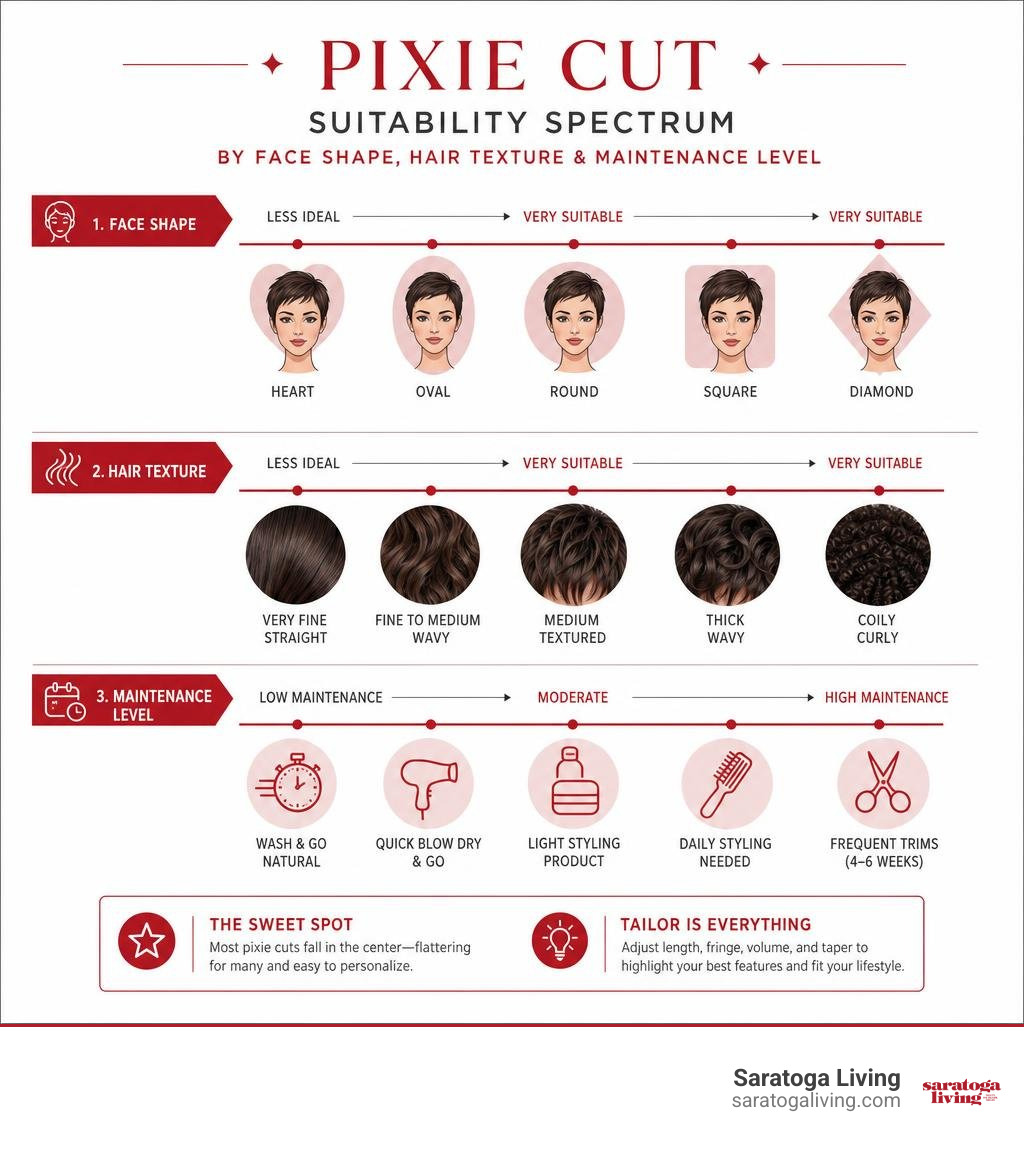
A pixie cut is a short hairstyle with close-cut sides and back, plus slightly longer layers on top. It can suit every face shape, age, and hair texture when the length, fringe, volume, and taper are tailored to the person wearing it.
The best fit usually comes down to three factors:
- Face shape: Crown height can elongate a round face, while softer layers can balance a strong jawline.
- Hair texture and density: Fine hair often gains lift when extra weight is removed. Thick hair may feel lighter with internal layers or an undercut.
- Upkeep preference: Daily styling is often quick, but a classic pixie needs a reshape about every four to six weeks to keep its clean silhouette.
A great pixie is not about having the “right” bone structure. It is about choosing proportions that bring attention to your eyes, cheekbones, jawline, and personal style. From Audrey Hepburn’s polished 1950s crop to today’s soft gamine, textured, and longer pixie styles, this cut has remained a confident way to make a deliberate change.
Guest Posts shares the key considerations to help you choose a pixie that feels polished, practical, and entirely your own.
Basic pixie cut terms:
Defining the Classic Pixie Cut and Its Iconic Legacy
At its structural core, a crop is defined by a precision geometry: short lengths hugging the nape of the neck and ears, transitioning into slightly longer, customizable layers across the crown and fringe. Traditionally measuring around five centimeters in length all over, a classic crop relies on feathery texture, deliberate weight removal, and tailored perimeters to create an open frame around the face. Rather than hiding behind a curtain of long locks, cutting your hair short shifts every focal point upward toward the cheekbones, brow line, and neck.
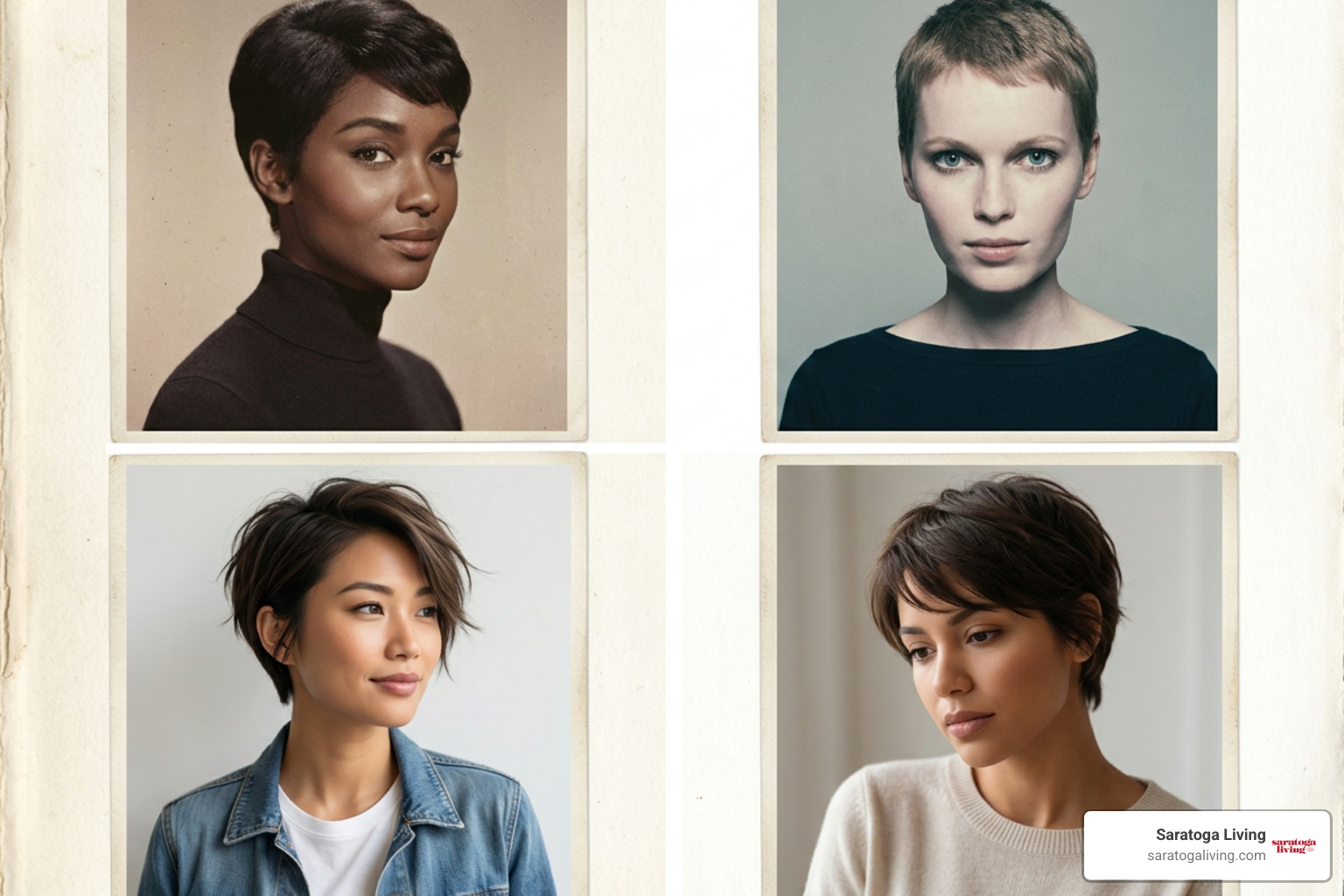
The historical roots of the pixie cut reach back to the early 20th-century flapper era, but the silhouette truly exploded into the cultural mainstream during the 1950s. Audrey Hepburn cemented the crop in cinema history when her character underwent an empowering salon chop in Roman Holiday (1953). This moment redefined European chic and proved that short hair could exude radiant femininity. Shortly thereafter, Jean Seberg turned heads with her ultra-short, breezy crop in Bonjour Tristesse (1958), setting a new standard for modern French elegance.
Across every decade, bold public figures have used the crop to redefine beauty standards:
- The 1960s Mod Era: Mia Farrow debuted her historic, razor-sharp crop in Rosemary’s Baby (1968), alongside supermodel Twiggy, transforming cropped hair into an international symbol of youth culture.
- The 1990s Revival: Supermodels like Linda Evangelista and Hollywood stars like Demi Moore in Ghost (1990) proved that textured crops possessed unmatched sophistication and star power.
- The 2000s Red Carpet: Halle Berry made the tousled, spiky crop her signature look, showing how effortlessly a short crop elevates evening wear and casual looks alike.
- Modern Trailblazers: In December 2023, Eve Gilles made headlines across the globe as the first contestant sporting short hair to be crowned Miss France, sparking conversations and dismantling outdated beauty pageant tropes.
Today, cutting your hair into a crop is no longer a cinematic trope reserved for dramatic character arcs. It is an intentional, fashion-forward declaration of personal confidence.
Choosing the Best Pixie Variation for Your Face Shape and Hair Texture
The secret to finding an exceptional crop lies in customizing structural balance. We often hear people worry that their face shape cannot handle short hair. In reality, a skilled stylist treats hair architecture much like a custom tailoring appointment, shifting weight, perimeter lines, and height to enhance your natural features.
- Oval Faces: Naturally balanced proportions allow oval face shapes to pull off almost every variation, from micro-crops with baby bangs to sweeping, asymmetric cuts.
- Round Faces: To create visual length, request volume and vertical height at the crown while keeping the sideburns and perimeter tapered closely against the temples.
- Square Faces: Soften an angular jawline by incorporating wispy, feathered layers, broken perimeters, and side-swept bangs that gently diffuse sharp angles.
- Heart Faces: Draw attention toward the eyes and balance a narrower chin with longer, brow-skimming fringe and soft, textured pieces around the ears.
Your natural density and hair type play an equally vital role. For fine or thinning hair, a crop is transformative. Removing excess length eliminates the downward drag that leaves fine hair flat, immediately restoring root lift, natural bounce, and the optical illusion of greater thickness. Conversely, for dense, coarse hair, your stylist can carve out internal bulk using point-cutting, texturizing shears, or subtle undercuts, turning unruly weight into clean, manageable movement.
To help you explore the vast landscape of modern pixie styles and variations, review how different cuts pair with individual facial silhouettes below:
| Face Shape | Recommended Variation | Styling Strategy | Key Objective |
|---|---|---|---|
| Oval | Classic Gamine or Micro Crop | Sleek, parted, or lightly tousled | Highlights natural facial symmetry |
| Round | Textured Crown Crop with Tapered Sides | Lifted roots using matte styling paste | Elongates the face vertically |
| Square | Feathered, Soft-Layered Crop | Side-swept fringe and delicate edges | Softens a strong, angular jaw |
| Heart | Long Pixie / Pixie Bob (Bixie) | Wispy bangs and ear-framing layers | Balances a wider forehead and narrow chin |
| Oblong / Long | Deep Side-Part Pixie with Full Bangs | Horizontal volume and eyebrow fringe | Shortens vertical visual length |
Mastering the Gamine Pixie Cut for Delicate Features
Few styles capture vintage charm quite like the revival of the gamine pixie crop. Derived from the French word for a playful, mischievous child, the gamine aesthetic focuses on effortless elegance, natural movement, and soft edges.
Unlike severe or hyper-androgynous cuts, a gamine crop avoids blunt, aggressive lines. Instead, it features a gently tapered nape, delicate ear contours, and soft, piecey micro-bangs that draw focus directly to the eyes and cheekbones. This style has seen a massive resurgence alongside minimalist tailoring and “quiet luxury” fashion. Styling requires minimal effort: work a dime-sized amount of featherlight styling cream through damp hair, let your natural texture shine, and tuck wispy side pieces behind your ears for an understated finish.
Customizing the Undercut Pixie Cut for Volume and Edge
For anyone managing thick, heavy hair or seeking a bold silhouette, exploring edgy undercut pixie styling offers an ideal balance of practicality and edge. This variation creates a stylish disconnect: the underneath sections along the nape and temples are cut ultra-short using clippers or scissor-over-comb techniques, while the top remains longer and heavily textured.
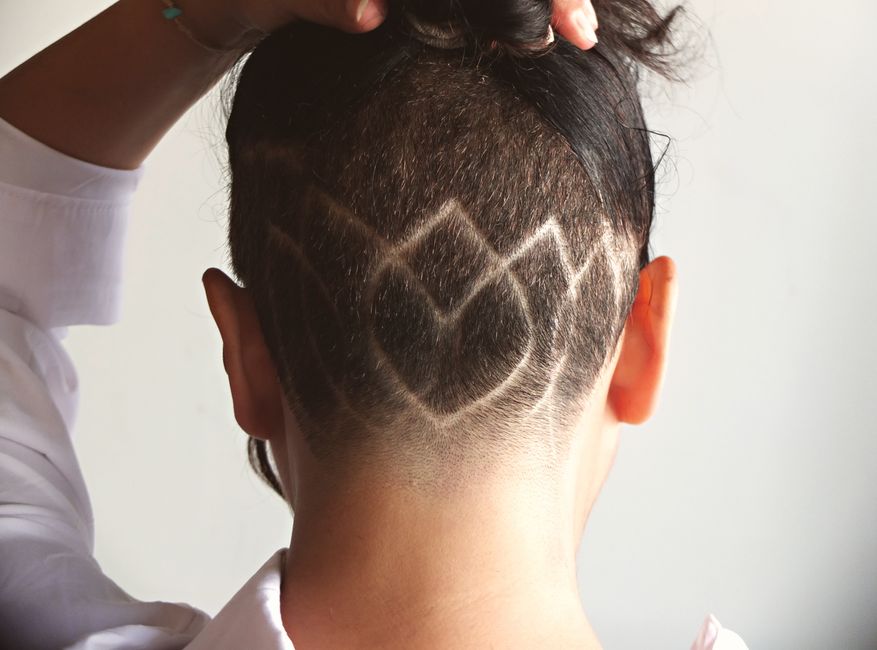
The benefits of an undercut crop include:
- Instant Bulk Removal: By buzzing or closely tapering the dense under-layers, thick hair loses weight without sacrificing top volume.
- Effortless Morning Styling: With the lower half cleanly clipped, you only need to style the top crown layers using a quick blow-dry or a touch of styling clay.
- Versatile Attitude: Wear the longer top smooth for an elegant work setting, or sweep it into a tousled pompadour for weekend events.
Professional Cutting Mechanics and Salon Consultation
Achieving a seamless short haircut requires careful technical execution. When you sit in your stylist’s chair, the cut should be approached like structural architecture.
A master stylist typically begins by establishing a halo parting along the parietal ridge—the widest curve of the head—to isolate the top crown from the lower perimeter. For precision along the neckline, many stylists prefer dry cutting the nape. This allows them to see cowlicks, hair growth directions, and natural patterns clearly before deciding whether to taper the hairline or shave slightly upward to ensure the perimeter lays flat against the neck.
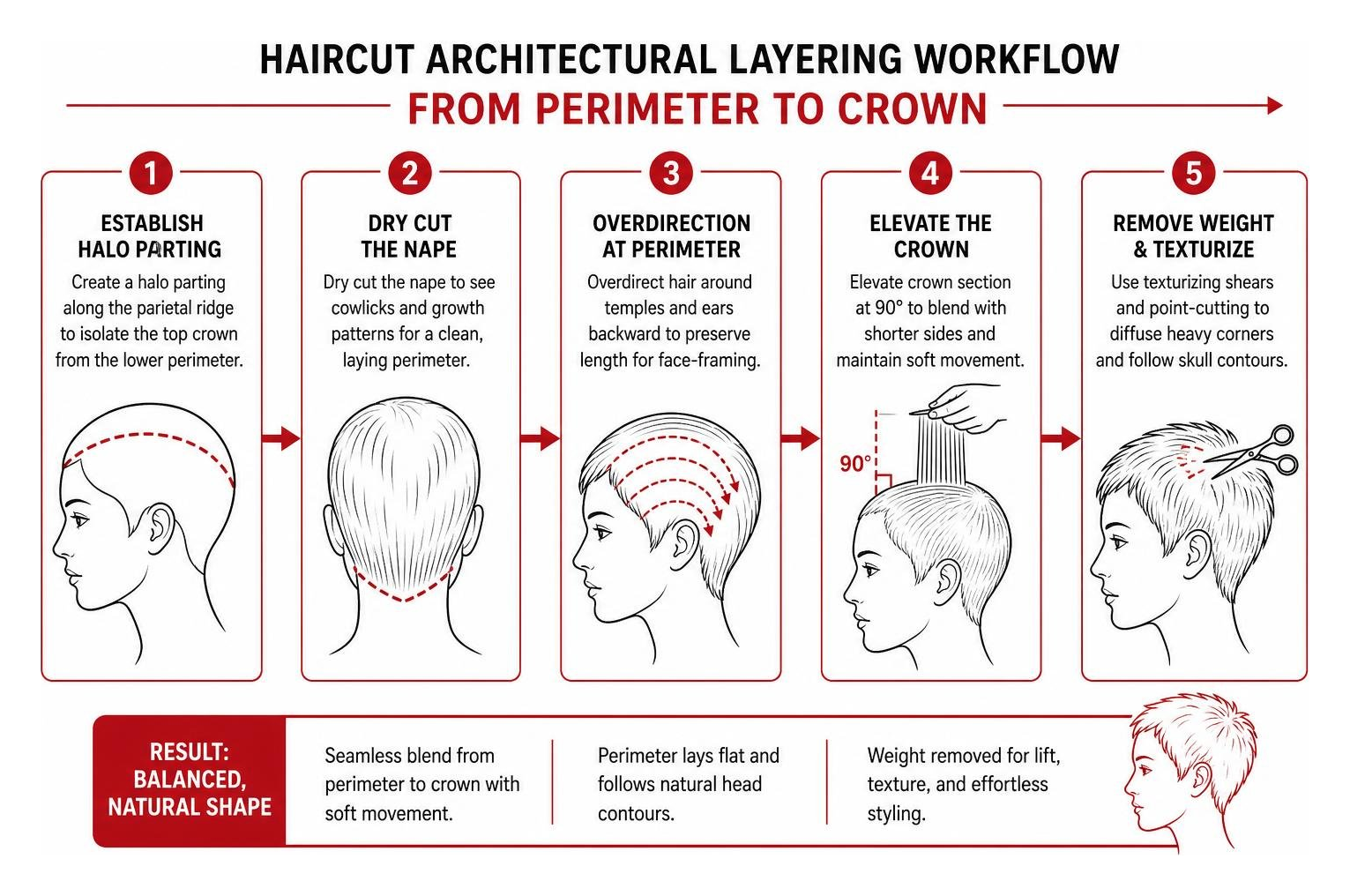
To build a balanced, flattering shape, the cutting workflow relies on proven principles:
- Sectioning & Elevation: The crown is elevated at 90 degrees to blend smoothly with the shorter sides, maintaining soft movement without creating harsh shelves.
- Overdirection: Hair around the temples and ears is deliberately overdirected backward during cutting to preserve perimeter length for customized face-framing.
- Weight Removal: Using specialized texturizing shears and point-cutting techniques, stylists diffuse heavy corners so the hair hugs the natural contours of the skull.
If you are a stylist refining your craft or a client curious about the technical artistry behind your cut, exploring precision cutting methodology provides invaluable insight into how balance and elevation create a tailored silhouette.
Daily Styling, Upkeep, and the Transition Phase
One of the greatest joys of adopting a short crop is the morning routine. The myth that short hair demands hours of complex styling quickly fades once you discover the right toolkit. Most daily crops can be styled in under three minutes.
To keep your cut looking its best at home, focus on these essential products and techniques:
- Matte Pastes and Clays: Rub a pea-sized amount between your fingertips and rake it through dry roots to create piecey separation and touchable hold.
- Root-Lifting Powders & Dry Sprays: Give fine hair instant grit, lift, and volume without weighing down top layers.
- Mini Flat Irons: A narrow styling iron allows you to add gentle bends, flip bangs, or smooth rebellious crown cowlicks.
- Color Maintenance: Platinum and silver crops look best when refreshed weekly with purple shampoo, while rich brunettes benefit from cool-toned glosses to keep layers crisp.
For practical advice directly from industry experts, reviewing celebrity stylist pixie maintenance will help you master red-carpet volume and lived-in texture at home.
Upkeep requires planning. Because short hair shows growth quickly, schedule salon trims every four to six weeks to preserve your cut’s lines. If you wear an undercut with shaved sides, a quick perimeter touch-up every two to three weeks will keep the fade sharp.
When you eventually decide to grow out your crop, you can bypass awkward grow-out phases with a clear strategy. Keep trimming the nape of your neck every month while letting the crown and fringe grow downward. This prevents an accidental mullet and smoothly guides your crop into a trendy “bixie” (bob-pixie hybrid) before transitioning into a classic chin-length bob within three to six months.
Frequently Asked Questions about Short Hair Upkeep
How often do you need to trim a short crop?
To keep the perimeter crisp and maintain proper weight distribution, book a maintenance trim every four to six weeks. If you let it go beyond eight weeks, the weight line drops, causing the back to look bulky and the crown layers to lose their natural lift.
Can fine or thinning hair benefit from a crop?
Fine hair benefits immensely from a short cut. Long lengths pull fine strands flat against the scalp, exposing sparse areas. Cropping the hair removes that excess weight, allowing the roots to stand upright. This structural lift creates the appearance of fuller, denser hair.
What is the easiest way to grow out short hair?
The smoothest way to grow out a crop is to keep the nape and side perimeters trimmed short while allowing the top layers to gain length. Once the top layers reach the bottom of your ears, you can let the baseline grow out evenly into a French bob or textured lob without dealing with uneven transitional lengths.
Conclusion
Cutting your hair short is far more than a simple salon visit—it is an invigorating transformation that highlights your features and streamlines your daily routine. By working closely with an experienced stylist to tailor proportions to your face shape, bone structure, and natural texture, you unlock a timeless aesthetic that feels personal and modern.
Whether you are enjoying a sunny weekend in Saratoga Springs or dressing up for trackside race-day style and elegance, an impeccably tailored crop delivers instant polish and undeniable confidence. Embrace the lightness, enjoy the freedom of rapid morning styling, and wear your signature cut with pride.