Effective Dandruff Treatment Starts With the Right Shampoo Routine
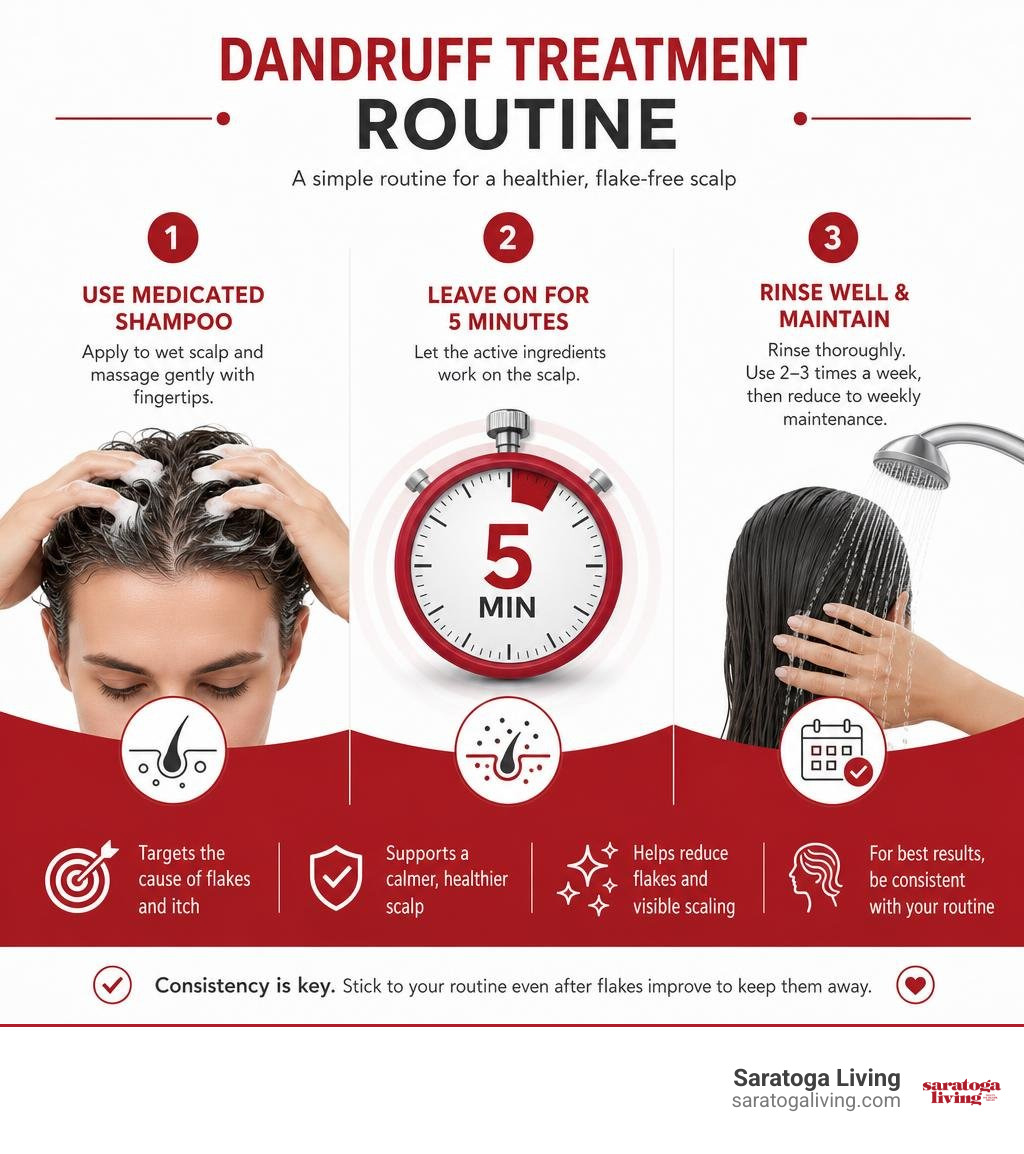
The most reliable dandruff treatment is a medicated shampoo used correctly and consistently. Choose an active ingredient that targets yeast or removes scale, work it into the scalp rather than just the hair, leave it on for about five minutes when the label allows, then rinse well. Most people start two to three times a week and reduce to weekly maintenance once flakes and itch improve.
Dandruff is not a sign of poor hygiene. It is a common, recurring scalp condition that causes visible white or yellow flakes, itch, and sometimes mild irritation. It affects about half of people at some point. The problem often involves an interaction between scalp oil, a weakened skin barrier, and Malassezia, a yeast that normally lives on the skin but can contribute to faster skin-cell turnover in susceptible people.
That faster turnover makes dead cells clump into the flakes that show up on collars, dark jackets, and race-day outfits. The good news: with the right active ingredient and a routine that fits your hair texture, dandruff is usually manageable.
Guest Posts shares practical guidance to help you build a calmer, healthier scalp routine.
Relevant articles related to dandruff treatment:
Understanding Scalp Biology, Causes, and Differential Diagnosis
To get rid of stubborn flakes, we first have to understand the biological ecosystem thriving on our scalps. Under normal conditions, healthy scalp desquamation sheds approximately 487,000 cells per square centimeter after washing. When dandruff takes over, that number skyrockets to roughly 800,000 cells per square centimeter. This hyper-proliferation forces dead corneocytes to detach in visible clumps rather than microscopic, imperceptible specs.

The primary microbial culprit behind this accelerated shedding is Malassezia, a lipid-dependent genus of fungal yeast naturally present across our skin. During active flare-ups, Malassezia populations expand to 1.5 to 2 times their normal baseline density. These fungi consume the triglycerides in our natural scalp oils (sebum) and metabolize them into free fatty acids—specifically oleic acid. In susceptible individuals, oleic acid penetrates the stratum corneum, compromising the scalp’s epidermal permeability barrier and increasing transepidermal water loss (TEWL).
Recent research highlights that fungal growth is only half the battle. As detailed in the International expert consensus on scalp seborrheic dermatitis, scalp health also hinges on a delicate bacterial balance between Cutibacterium and Staphylococcus genera, which together make up about 90% of the scalp microbiome. When this microflora balance shifts alongside barrier dysfunction, localized irritation triggers uninhibited cell turnover.

Distinguishing Dandruff from Seborrheic Dermatitis and Psoriasis
Not all scalp flaking stems from simple dandruff. In clinical dermatology, classic dandruff (medically termed pityriasis capitis) represents a mild, non-inflammatory variant of seborrheic dermatitis. In pure dandruff, loose, white-to-gray flakes shed across the scalp without noticeable underlying skin redness.
When inflammation intensifies, the condition shifts to moderate or severe scalp seborrheic dermatitis (SSD). SSD produces marked erythema (redness), greasy yellowish crusts, and intense itching, often extending beyond the hairline to the eyebrows, nasolabial folds, and behind the ears. For an authoritative clinical breakdown of diagnostic markers, refer to the Merck Manual professional guide on seborrheic dermatitis.
| Condition | Primary Flake Appearance | Scalp Redness (Erythema) | Typical Anatomical Distribution |
|---|---|---|---|
| Simple Dandruff | Small, dry, white-to-gray flakes | Absent | Strictly confined to hair-bearing scalp |
| Seborrheic Dermatitis | Greasy, yellowish, adherent scales | Present (mild to prominent) | Scalp, eyebrows, nasolabial folds, ears |
| Scalp Psoriasis | Thick, silvery-white, distinct plaques | Prominent with induration | Scalp perimeter, elbows, knees, lower back |
| Dry Scalp (Dehydration) | Fine, dry, powdery white specks | Absent | Scalp, often alongside generalized dry skin |
Scalp Inflammation and Hair Shedding Complications
Does dandruff cause hair loss? Under normal circumstances, dandruff does not directly attack the hair follicle root. However, secondary consequences can trigger hair thinning. Clinical studies reveal that individuals dealing with active dandruff shed between 100 and 300 hairs over a two-day span, compared to the normal baseline of 50 to 100 hairs.
This amplified shedding occurs because inflamed scalps release elevated levels of histamine, prompting severe pruritus (itching). Aggressive, repetitive fingernail scratching injures hair shafts and causes mechanical microtrauma to follicles, which can precipitate premature telogen effluvium (temporary shedding). In severe, chronic cases, untreated inflammatory dermatitis can exacerbate scarring conditions such as central centrifugal cicatricial alopecia (CCCA). Managing the underlying scalp inflammation is therefore essential for preserving hair density.
Over-the-Counter and Medicated Dandruff Treatment Active Ingredients
Effective over-the-counter options utilize targeted active agents designed to suppress fungal proliferation, regulate cell turnover, or physically dissolve scale build-up. The Mayo Clinic clinical guidance on dandruff categorizes these active ingredients based on their therapeutic mechanisms:
- Ketoconazole (1% OTC; 2% Rx): A broad-spectrum imidazole antifungal agent that inhibits ergosterol synthesis in Malassezia cell membranes. It boasts an exceptional Number Needed to Treat (NNT) of 5 for complete clearance.
- Zinc Pyrithione (1% to 2%): A coordination complex with antimicrobial and cytostatic properties that normalizes epithelial keratinization and decreases fungal density.
- Selenium Sulfide (1% to 2.5%): An antifungal and cytostatic agent that slows the turnover rate of scalp corneocytes while eliminating yeast colonies.
- Piroctone Olamine: A gentle, modern hydroxypyridone antifungal that reduces oxidative stress on the scalp and serves as an excellent option for sensitive skin.
- Salicylic Acid (2% to 3%): A beta-hydroxy acid (BHA) keratolytic agent that dissolves intercellular bonds holding dead scales together, allowing them to wash away easily.
- Coal Tar (0.5% to 5%): A classic cytostatic regulator that slows epidermal DNA synthesis to reduce flaking, though it can discolor lighter hair colors and increase UV photosensitivity.
Step-by-Step Guide to Applying Medicated Dandruff Treatment
Many people assume a medicated shampoo is ineffective when the real issue is incorrect application technique. Medicated shampoos contain active chemical precipitates that require direct physical contact and time to separate and penetrate the stratum corneum.
- Thoroughly Saturate the Hair: Wet the scalp thoroughly using lukewarm water. Avoid hot water, which strips natural lipids and aggravates erythema.
- Target the Scalp Directly: Part the hair into sections and apply the product straight to the scalp surface rather than just lathering hair lengths.
- Adhere to the Five-Minute Rule: Once lathered, let the active formulation sit undisturbed on your scalp for at least 5 full minutes. Rinsing too quickly washes away active agents before they can bind to fungal membranes or corneocytes.
- Rinse and Condition Carefully: Rinse completely with warm water. If using a conditioner, select an anti-dandruff conditioner or keep standard formulas focused exclusively on the mid-lengths and ends to avoid leaving residue on the scalp.
- Rotate Active Formulations: If a chosen shampoo loses efficacy over time, rotate between two or three different active classes (e.g., alternating ketoconazole with selenium sulfide or zinc pyrithione) to prevent microbial tolerance.
The Role of Keratolytics and Scalp Exfoliants
When dead corneocytes form thick, adherent crusts, antifungal agents struggle to reach the underlying skin. This is where keratolytic agents step in. Ingredients such as salicylic acid, lactic acid (AHA), and sulfur disrupt intercellular desmosomes, loosening hardened scale cohesion. Chemical exfoliation unblocks congested hair follicles, soothes redness, and clears surface debris so topical antifungals can work effectively.
Tailoring Hair Hygiene by Texture and Scalp Type
There is no universal washing schedule for dandruff control; success depends on customizing hygiene practices to your unique hair texture, natural sebum production, and styling habits.
Customizing Dandruff Treatment for Curly and Textured Hair
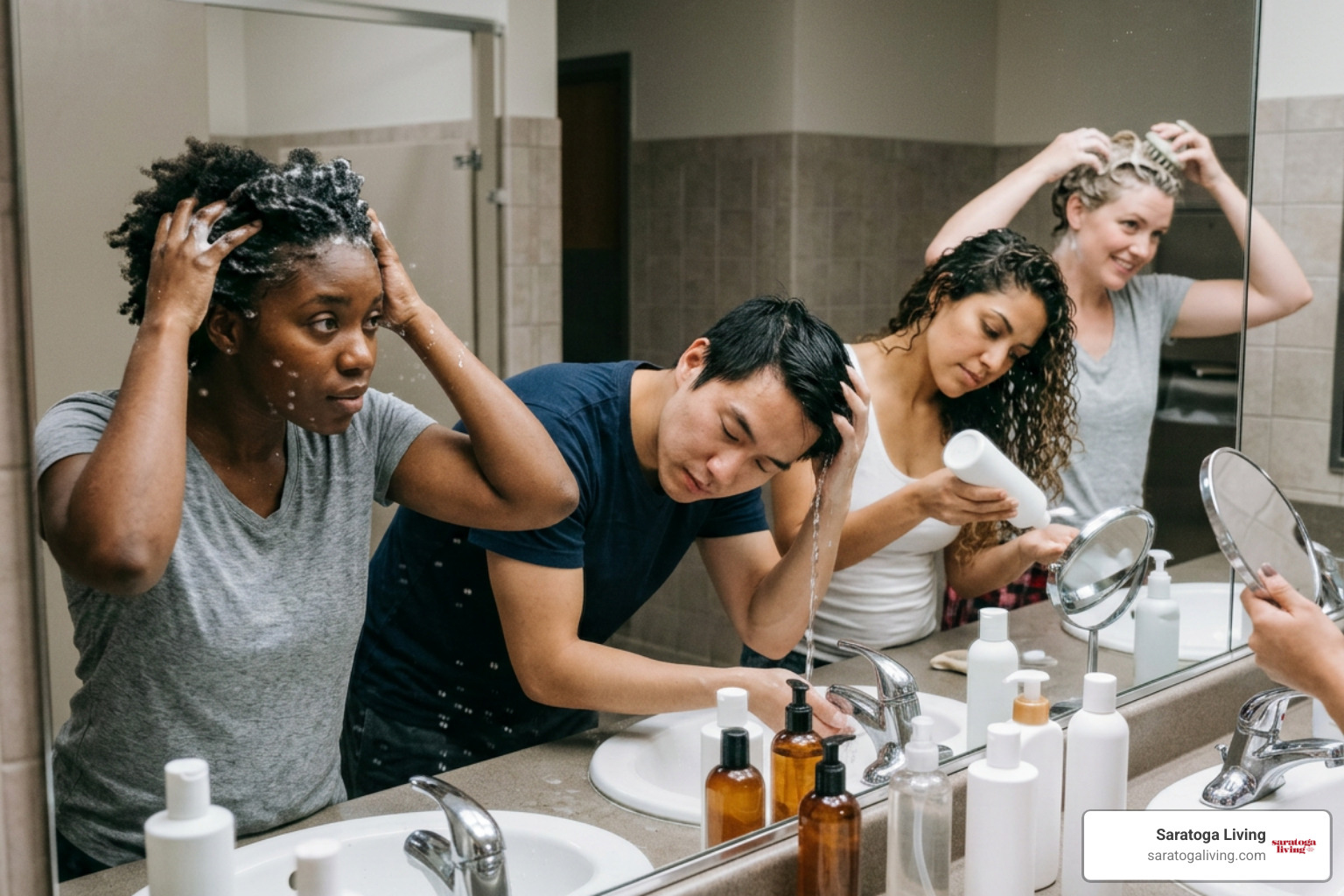
For individuals with curly, coily, or tightly textured hair patterns (Fitzpatrick skin types IV–VI), standard anti-dandruff shampoos can quickly cause excessive dryness and strand breakage. As emphasized in the AAFP seborrheic dermatitis diagnostic guidelines, daily washing is counterproductive for dry hair types.
- Limit medicated shampoo washes to once weekly to protect fragile hair strands from stripping.
- Follow every medicated wash immediately with a nourishing, silicone-free deep conditioner applied strictly to the hair ends.
- Incorporate leave-in scalp preparations containing zinc pyrithione or low-potency fluocinolone acetonide scalp oils to treat inflammation without constant washing.
- Avoid applying heavy raw butters, petroleum jelly, or thick pomades directly to the scalp, as these trap dead cells and feed Malassezia yeasts.
Managing Oily and Fine Hair Care Schedules
For straight, fine, or oily hair types, sebum rapidly travels down the hair shaft and accumulates on the scalp. Infrequent washing allows excess lipids to feed fungal colonies and accelerate flaking. Individuals with fine hair often see the best results by washing every day or every other day during active flares, using a gentle clarifying shampoo between medicated applications to keep follicular openings clear.
Natural Remedies, Lifestyle Modifications, and Prevention Strategies
Natural botanicals and daily lifestyle adjustments can provide valuable supportive care alongside medical solutions.
Evaluating Alternative and Home Scalp Rinses
- Tea Tree Oil (5%): Demonstrates natural antifungal and anti-inflammatory properties against yeast strains. However, raw essential oil should never be applied undiluted, as it carries a high risk of allergic contact dermatitis.
- Diluted Apple Cider Vinegar (ACV): An equal-parts rinse of water and apple cider vinegar can temporarily adjust surface pH and help remove hair styling residue, though it lacks robust clinical evidence as a standalone antifungal.
- Mineral and Coconut Oil Softening: Applying a light layer of pure mineral oil or warm coconut oil for 1 to 3 hours prior to washing helps soften thick crusts for gentle removal with a wide-tooth comb.
- Baking Soda Warnings: We advise against using coarse baking soda pastes directly on the scalp. Its high alkaline pH can disrupt the scalp’s natural acid mantle, leading to severe barrier irritation. Always perform a small patch test on your inner arm before applying new botanical home rinses.
Long-Term Anti-Recurrence and Maintenance Routines
Because Malassezia represents a permanent component of our natural cutaneous microflora, dandruff management requires ongoing maintenance rather than a one-time cure:
- Taper shampoo use gradually: once visible flaking resolves, reduce medicated washes from 3 times weekly down to once every 7 to 14 days.
- Use lukewarm water temperatures to prevent thermal barrier degradation.
- Minimize high-heat blow drying directly on the scalp to avoid dehydrating surface cells.
- Manage systemic stress through regular exercise and adequate sleep, as cortisol spikes alter sebum production and trigger flare-ups.
- Limit heavy hair sprays, waxes, and styling gels that create buildup around follicles.
When to Consult a Dermatologist for Advanced Care
If your scalp shows no improvement after four to six weeks of consistent over-the-counter care, consult a board-certified dermatologist. Professional medical evaluation is essential if you notice:
- Severe erythema, intense burning, or open sores resulting from vigorous scratching.
- Thick, silvery plaques extending past the hairline that suggest scalp psoriasis.
- Yellow, weeping crusts or foul odors indicating a secondary bacterial infection.
- Unexplained patches of focal hair loss or scarring.
Dermatologists can prescribe high-potency topical therapies, including short courses of prescription corticosteroid lotions (such as clobetasol propionate or fluocinolone), non-steroidal topical calcineurin inhibitors (tacrolimus or pimecrolimus), prescription-strength 2% ketoconazole shampoos, or novel topical PDE-4 inhibitors like roflumilast foam.
Frequently Asked Questions about Dandruff Treatment
How long does it take for dandruff shampoo to show visible results?
Most people see a noticeable improvement within 5 to 10 consecutive washes. Initial reductions in surface flaking and itchiness often occur within the first week, while full barrier stabilization typically requires 4 to 6 weeks of consistent use.
Can dandruff cause permanent hair loss?
No. Simple dandruff does not damage the underlying follicular stem cells or cause permanent baldness. Any related hair loss is usually temporary telogen effluvium triggered by scalp inflammation or mechanical damage from frequent, aggressive scratching.
Why does dandruff keep returning after stopping treatment?
Dandruff recurs because Malassezia yeast and sebaceous oil production are natural parts of human physiology. When antifungal shampoos are discontinued entirely, yeast populations rebound to previous levels in susceptible individuals. Sustaining a once-weekly maintenance wash helps prevent future flare-ups.
Conclusion
Living with dandruff can feel frustrating, but persistent scalp flaking is a manageable physiological condition. By identifying your specific scalp needs, choosing proven active ingredients like ketoconazole or zinc pyrithione, and adhering to the five-minute contact rule, you can restore a healthy, balanced scalp barrier.
Whether you are dressing up for a downtown evening or reviewing upscale race-day style and grooming tips for an afternoon at the track, maintaining a dependable hair care routine ensures you step out with complete confidence. Take control of your scalp health today, and enjoy healthy, flake-free hair year-round.