Practical Meal Prep Ideas for Busy Weeks
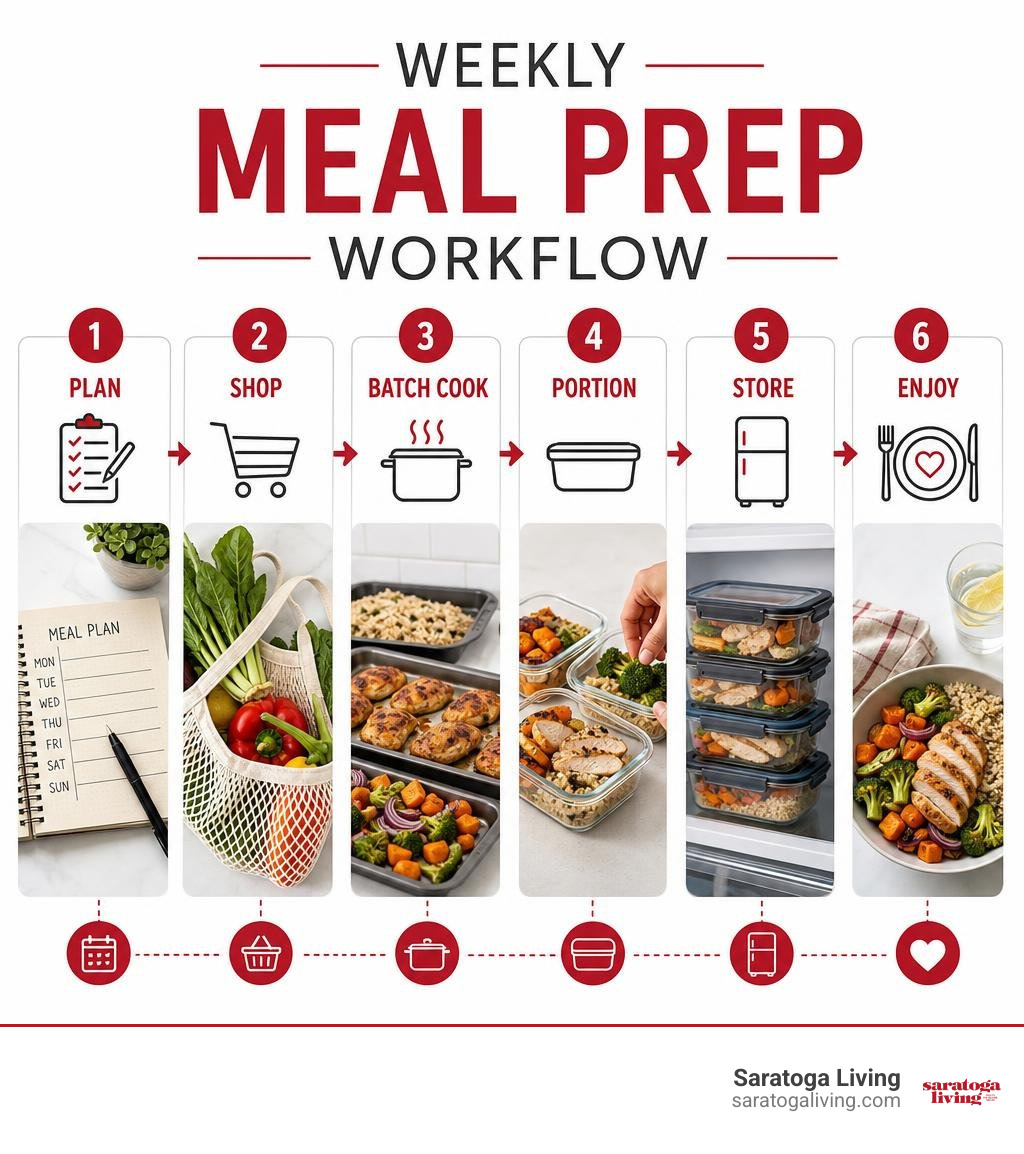
Meal prep ideas make busy weeks easier by turning one focused kitchen session into ready-to-eat breakfasts, lunches, dinners, and snacks. Start simple: choose a protein, a filling carbohydrate, colorful produce, and a sauce or healthy fat. Then cook components in batches and combine them in different ways through the week.
- Breakfast: Overnight oats, egg bites, chia pudding, or baked oatmeal.
- Lunch: Grain bowls, hearty salads with dressing on the side, wraps, or bento boxes.
- Dinner: Sheet-pan chicken and vegetables, soups, chili, stir-fries, or freezer burritos.
- Fastest approach: Use pre-cut vegetables, frozen grains, canned beans, and a rotisserie chicken when time is tight.
- Freshness rule: Most cooked meals are best used within 3 to 4 days in the refrigerator; freeze extra portions for later.
Meal prep is not about eating the exact same container every day. It is a practical way to reduce weekday decisions, make room for better nutrition, and still leave time for Saratoga Springs workdays, events, and weekends out.
I am Guest Posts, and this guide will help you build a flexible meal-prep routine that works in real life.
Essential Meal Prep Ideas for Beginners and Busy Schedules
When entering meal prep, the biggest mistake is attempting to cook five elaborate, multi-step gourmet recipes on Sunday afternoon. That is a quick recipe for dish fatigue and kitchen burnout. We always recommend starting with simple meal prep ideas grounded in batch cooking, sheet-pan roasting, and smart time management.
Batch cooking allows us to make large quantities of versatile core components—like brown rice, quinoa, roasted vegetables, and grilled chicken—that can be mixed and matched. Sheet-pan baking takes this efficiency a step further. By arranging chopped produce and seasoned proteins on single sheets and roasting them at high temperatures (around 400°F to 425°F), you let the oven do the heavy lifting while keeping clean-up to an absolute minimum.
If you are just starting out, check out this guide on a High Protein Beginner Meal Prep Plan for the Week (No Experience Needed) | Savor Daily, which breaks down how to cook multiple proteins and grains simultaneously in under two hours.

Beginner-Friendly Breakfast Meal Prep Ideas
Mornings in Saratoga are often a whirlwind. Skipping breakfast or reaching for sugary processed pastries can leave us sluggish before noon. Preparing nutritious breakfasts ahead of time ensures a clean start to every morning.
- Overnight Oats: Combine rolled oats, your choice of milk, Greek yogurt, chia seeds, and a touch of maple syrup in mason jars. Let them soak in the fridge overnight. In the morning, top with fresh berries or chopped nuts.
- Sheet-Pan Pancakes: Instead of standing over a hot griddle flipping individual pancakes, pour your batter onto a parchment-lined baking sheet and bake at 425°F for 12 to 15 minutes. Slice into 24 uniform squares, cool, and freeze for rapid toaster reheating.
- Egg Bites & Muffins: Whisk eggs with cottage cheese (a great high-protein binder), chopped spinach, bell peppers, and diced turkey bacon. Pour into silicone muffin cups and bake until set.
- Chia Pudding: Whisk chia seeds with almond milk, vanilla, and Greek yogurt. Pro-tip: Whisk once, wait 5 minutes, and whisk again before chilling to prevent seeds from settling at the bottom. Top with jammy fruit preserves as described in this Sunday Meal Prep 8/9/26 – Mom Nutritionist roundup.
Quick Lunch and Dinner Meal Prep Ideas
Midday lunches and evening dinners should feel restorative, not tedious. Having pre-assembled containers ready in the fridge saves time, keeps energy high, and reduces mid-week takeout spending.
- Grain Bowls: Layer a sturdy grain base (farro, quinoa, or brown rice) with roasted vegetables and a seasoned protein. Drizzle with garlic tahini or lemon-herb dressing right before serving.
- Bento Boxes: Perfect for no-heat lunches. Pack whole-wheat crackers, sliced turkey, sharp cheddar cheese cubes, hard-boiled eggs, and sliced veggies. For a structured weekly routine, explore these Healthy Weekly Meal-Prep Boxes – Simple, Balanced, and Ready to Go – Bento Recipes .
- Chicken and Sweet Potato Bowls: Roast seasoned chicken thighs alongside cubed sweet potatoes and broccoli florets on sheet pans for 30 minutes at 400°F. Divide evenly across glass containers.
- Mason Jar Salads: Keep liquid dressing at the very bottom of the jar, followed by hard vegetables (cucumbers, carrots, chickpeas), tender grains, lean protein, and delicate greens on top. Turn into a bowl when ready to eat.
- Seafood Prep: For fresh summer flavors, try prepping ingredients inspired by Recipe Cantina’s Grilled Mahi Mahi Tacos, keeping cooked fish and fresh cabbage slaw in separate compartments until taco assembly.
Balancing Macronutrients and High-Protein Strategies
A truly effective meal prep routine is not just about convenience; it is about proper fuel. Balancing macronutrients—protein, carbohydrates, and healthy fats—helps stabilize blood sugar, maintain mental focus, and keep you full between meals.
- Protein: Essential for muscle repair, immune health, and satiety. Aim for 25 to 60 grams per main meal depending on your fitness goals.
- Carbohydrates: Provide sustained mental and physical energy. Opt for complex, fiber-rich sources like sweet potatoes, brown rice, oats, and quinoa.
- Healthy Fats: Support hormone health and nutrient absorption. Incorporate olive oil, avocado, nuts, seeds, and full-fat dairy dressings in moderation.
| Nutrition Target | Caloric Goal | Protein Split | Carbohydrate Split | Healthy Fats Split | Primary Prep Ingredients |
|---|---|---|---|---|---|
| Weight Loss | Moderate Deficit | 40% (Lean focus) | 30% (High fiber) | 30% (Healthy oils) | Chicken breast, turkey, broccoli, cauliflower rice, berry oatmeal |
| Muscle Gain | Caloric Surplus | 35% (High volume) | 45% (Complex carbs) | 20% (Nutrient dense) | Steak, salmon, jasmine rice, sweet potatoes, avocado, pasta |
| Maintenance | Balanced Energy | 30% (Balanced) | 40% (Whole grains) | 30% (Varied fats) | Lean beef, quinoa, mixed roasted veggies, olive oil vinaigrettes |
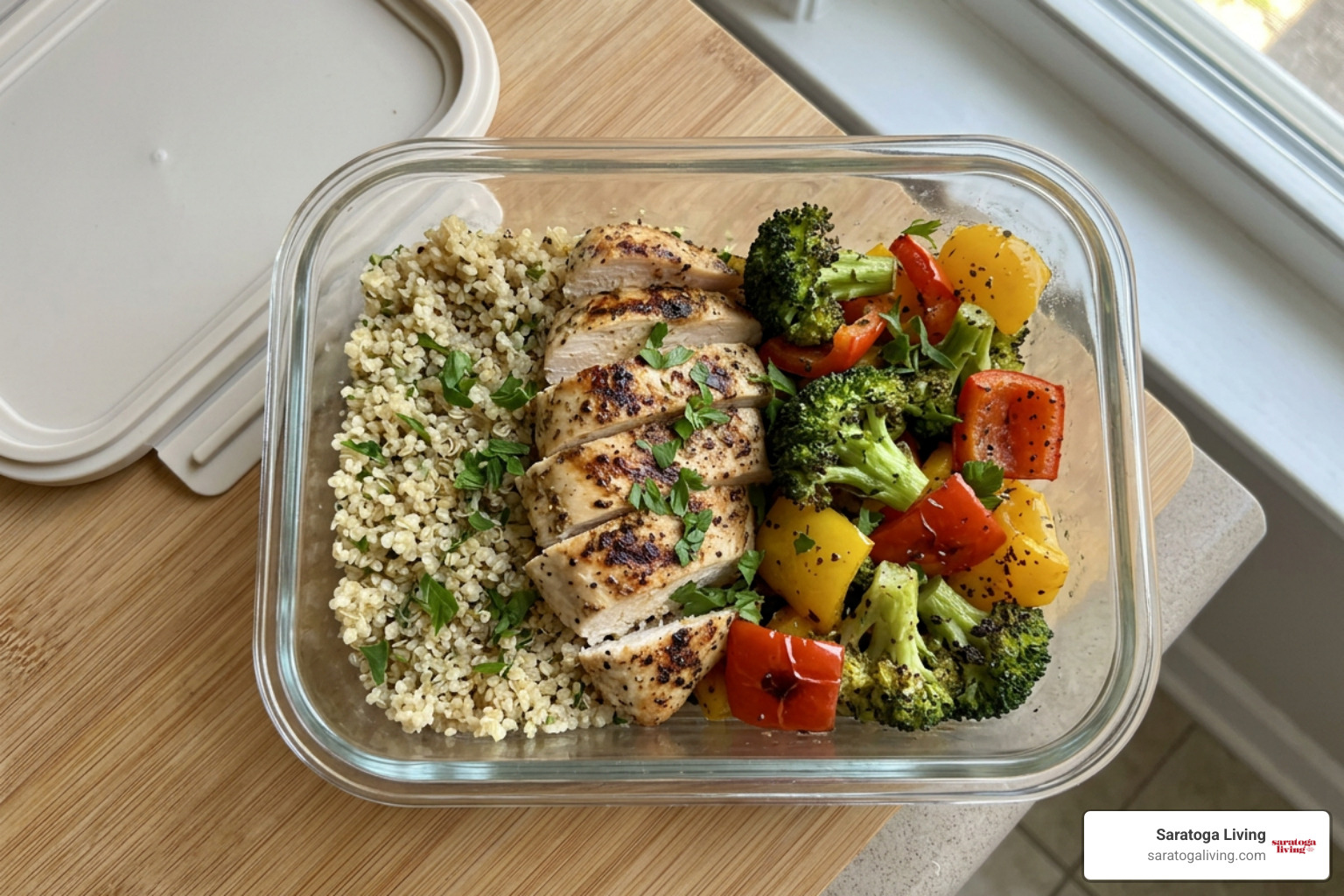
High-Protein Options for Muscle Gain and Weight Loss
Whether your objective is dropping body fat or building lean muscle, prioritizing protein is key. Lean beef, chicken breast, salmon fillets, and egg whites are outstanding staples. To avoid flavor fatigue, vary your cooking methods and sauces throughout the week.
For instance, you can grill chicken breasts in bulk, make a pan-seared ground turkey mix, or bake thick salmon fillets. If you prefer rich, comforting protein preps for cozy autumn evenings, consider adapting decadent regional classics like Recipe Kindred’s Fall Braised Seared Pork Belly, balancing smaller portions of savory meat with large servings of steamed greens and brown rice.
Plant-Based, Vegetarian, and Vegan Meal Prepping
Plant-based meal prepping is both budget-friendly and nutrient-dense. Pulses, beans, lentils, and soy products absorb seasonings wonderfully and often store better in the fridge than meat.
- Lentil Curry: Simmer brown or red lentils with coconut milk, curry paste, spinach, and sweet potatoes. Stores exceptionally well for up to 5 days without losing texture.
- Chickpea & Quinoa Bowls: Toss canned chickpeas with olive oil, cumin, and smoked paprika, then roast until crispy. Combine with cooked quinoa, cucumber, cherry tomatoes, and kalamata olives.
- Crispy Tofu Stir-Fry: Press firm tofu, cube it, toss with cornstarch and soy sauce, and bake at 400°F until golden. Pair with stir-fried snap peas, peppers, and sesame noodles.
- Vegetarian Italian Comfort: When craving rich, Italian-inspired vegetarian options, pair hearty vegetable preps with soft ricotta dumplings like those featured in Recipe You Need This Gnudi.
Preventing Sogginess, Food Storage, and Container Selection
Nothing ruins enthusiasm for meal prep faster than opening a lunch container to find limp greens, rubbery chicken, or waterlogged rice. Understanding freshness windows and proper moisture management keeps prepped meals tasting fresh.
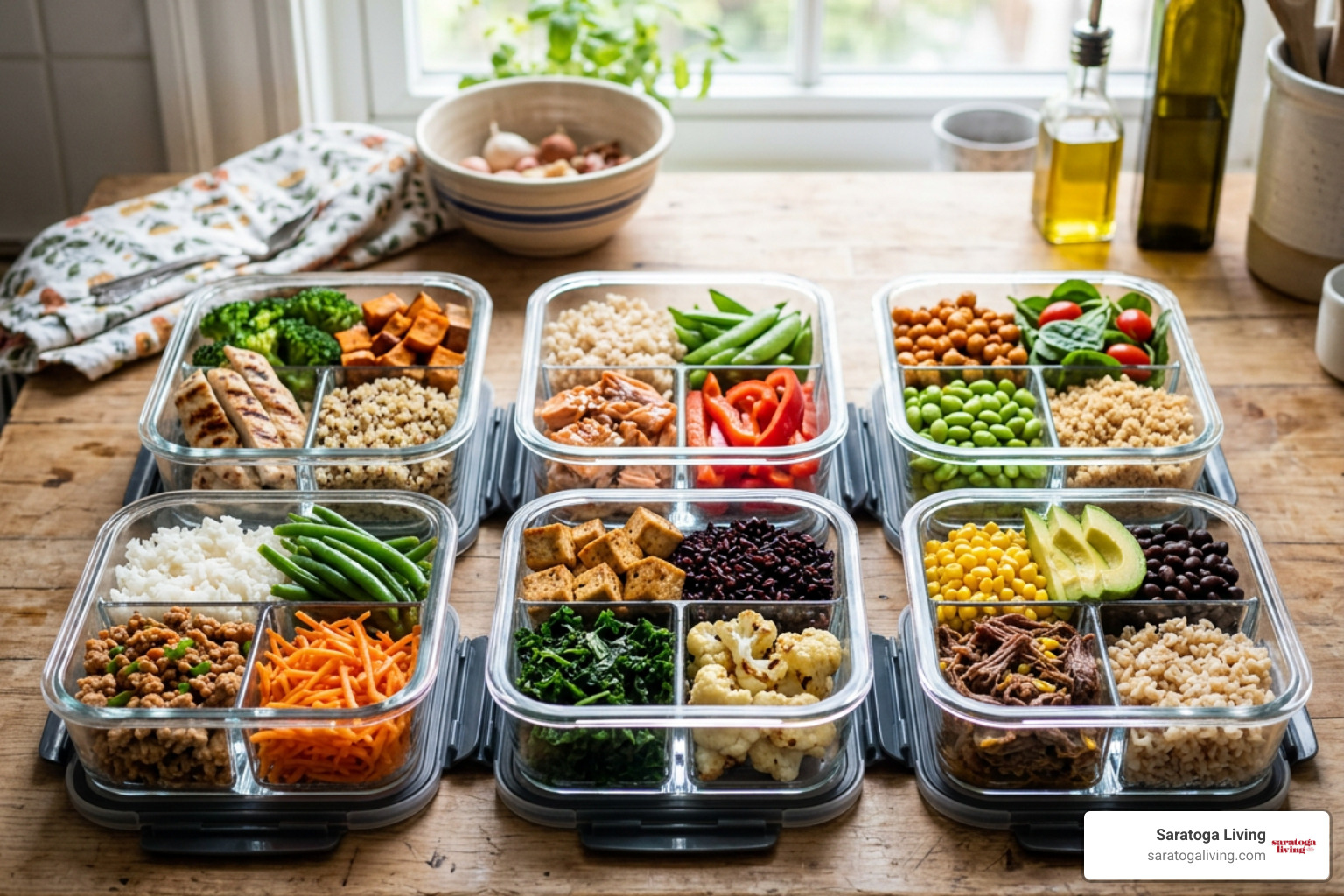
Shelf Life and Storage Guidelines in the Fridge and Freezer
Food safety should always come first. Follow these time-tested guidelines to keep your food safe and delicious:
- The Four-Day Rule: Most cooked proteins, grains, and roasted vegetables maintain peak quality and safety in the refrigerator for 3 to 4 days. If prepping on Sunday for a 7-day work week, freeze days 5 through 7 or schedule a light 30-minute prep refresh on Wednesday evening. See how this strategy is laid out in this Weekly Meal Plan – August 9th, 2026 – Peanut Butter and Fitness .
- Cooling Completely: Never seal piping-hot food inside containers. Condensation turns into water droplets, trapping steam that causes sogginess and accelerates bacterial growth. Let cooked food cool spread out on sheet pans for 20 minutes before packaging.
- Freezer Burritos & Bowls: Wrap breakfast burritos individually in parchment paper and foil before freezing. Reheat in a toaster oven or air fryer for best texture.
- Safe Defrosting: Transfer frozen meal prep containers to the refrigerator 24 hours before you plan to eat them to ensure even reheating.
Selecting the Best Glass and Plastic Containers
Investing in high-quality storage containers is essential for successful meal prepping.
- Glass Snapware: Borosilicate glass containers with locking snap lids are leak-proof, stain-resistant, oven-safe, and microwave-safe. They do not retain food odors like plastic can.
- Compartmentalized Containers: Two-compartment and three-compartment containers keep crisp cold items (like fresh cucumber or salad) separate from cooked grains or sauces.
- Silicone Cups: Use flexible silicone baking cups inside larger containers to separate nuts, seeds, croutons, or fruit until eating time.
- Dressing Pods: Small 1- to 2-ounce lidded leak-proof pods are essential for dressings, tahini, hummus, and salsa.
- Vacuum Sealing: Vacuum sealers keep prepped meats and freezer meals fresh for months without freezer burn. Check out practical options showcased in this Meal Prep – Week of August 2nd, 2026 – Peanut Butter and Fitness plan.
Time-Saving Shortcuts and Family-Friendly Strategies
Meal prepping does not require spending all day in the kitchen. By using modular cooking workflows and smart grocery store shortcuts, you can streamline your prep routine and feed the whole household with ease.
Smart Grocery Shortcuts and Pantry Staples
There is no shame in using store-bought shortcuts. Modern grocery stores offer pre-prepped ingredients that cut active prep time in half:
- Pre-Cut & Shredded Produce: Buy pre-chopped butternut squash, shredded cabbage slaw, pre-washed kale, and mirepoix (diced onions, carrots, and celery).
- Frozen Staples: Microwaveable frozen brown rice, quinoa, edamame, and organic berries save time without sacrificing nutrition.
- Rotisserie Chicken: A busy cook’s best friend. Shred the meat for chicken salads, grain bowls, soups, or taco fillings in minutes.
- Flavor Boosters: Keep pestos, chimichurri, curry pastes, chili crisp, and tzatziki on hand to transform simple ingredients instantly.
Cooking for Families with Mixed Dietary Needs
When prepping for a household with varying dietary needs or picky eaters, build meals using a flexible modular approach:
- Keep Bases Neutral: Cook plain grains (white rice or quinoa) and roasted vegetables without aggressive spicing so everyone can adapt their portion.
- Separate Proteins: Roast chicken breast on one sheet pan and seasoned tofu on another.
- Customizable Sauces: Serve sauces, cheeses, and toppings on the side so family members can build their own custom bowls.
- Interactive Dinners: Prepare seasoned shredded meats in bulk—such as slow-cooked beef using tips from The Complete Guide to Making Authentic Birria Tacos at Home—and let family members build their own tacos, quesadillas, or salad bowls throughout the week.
For seasonal monthly inspiration and sequencing workflows, refer to this detailed august meal prep plan – by Jenn Lueke .
Frequently Asked Questions About Meal Prepping
How long do meal prepped dishes reliably last in the refrigerator?
Most cooked meal prep containers stay fresh and safe for 3 to 4 days when stored in airtight containers at or below 40°F (4°C). Heartier items like chili, soups, and roasted root vegetables maintain quality up to 5 days, whereas cooked seafood is best eaten within 2 days. To extend freshness into the end of the workweek, freeze extra containers immediately after cooling and defrost them in the fridge the night before eating. When reheating, ensure food reaches an internal temperature of 165°F.
How do you keep meal prep salads and vegetables from getting soggy?
Preventing sogginess comes down to moisture management:
- Cool completely: Never pack warm roasted vegetables or grains into closed containers with fresh produce.
- Dressing on the side: Keep vinaigrettes, creamy sauces, and salsa in separate mini dressing pods, adding them just before serving.
- Layering order: In salads or jars, put sturdy vegetables (carrots, radishes, chickpeas) at the bottom and delicate greens (spinach, arugula, romaine) at the very top.
- Use paper towels: Tuck a folded paper towel inside salad containers to absorb excess surface moisture during storage.
What is the fastest way to complete a full week of meal prep?
The fastest approach uses parallel processing and hands-off kitchen tools:
- Step 1: Start hands-off equipment first. Load your slow cooker or Instant Pot with proteins and start your rice cooker or grain pot.
- Step 2: Chop all vegetables at once on a large cutting board.
- Step 3: Fill two sheet pans with vegetables and proteins, then roast them simultaneously in the oven at 400°F.
- Step 4: While the oven and appliances run, prepare no-cook items like overnight oats or chia pudding and wash fresh fruit.
By sequencing your tasks like a puzzle, you can prep an entire week of breakfasts, lunches, and dinners in under two hours.
Conclusion
Mastering meal prep ideas is not about strict rules or eating identical meals every day. It is a flexible, empowering routine that frees up your weekdays, saves money, and ensures you always have nourishing food ready when life gets busy. By starting small with simple sheet-pan meals, keeping sauces on the side, and choosing the right containers, you can easily build a habit that lasts.
Whether you are balancing a packed work schedule, managing family routines, or gearing up for vibrant Capital Region events, prepped meals help keep your energy high and your days stress-free.
Looking for more local culinary inspiration, dining highlights, and seasonal recipes? Explore Saratoga Living’s 2025 Food Drink Guide to discover the best taste profiles, regional talent, and food ideas our community has to offer.